

Equine summer dermatitis: prevention and treatment
Vendredi 30 Avril 2021EQUINE SUMMER DERMATITIS: PREVENTION AND TREATMENT
Dermatological problems in horses are, unfortunately, becoming more frequent.
The skin is the largest organ in the body and protects all the muscles and vital organs. For this reason, we must give it the importance it deserves since it plays a key role in the health, performance, and quality of life of our horses.
Due to climate change, we can observe abnormalities in the dermis almost throughout the year. For this reason, it is very important to focus on prevention and continuous skin care.

CAUSES
Dermatitis causes can be of various types: allergic, parasitic or systemic diseases, drug reactions, etc. The most frequent, or the ones we see in the majority of cases, are allergic dermatitis, which is classified as:
- Contact dermatitis: when the skin comes into direct contact with an irritating substance, which can be a plant, a cleaning product, etc.
- Food allergy: occurs when the animal is sensitive and reacts to one or more nutrients or components of the food. This can cause itchy dermatitis, hives or even gastrointestinal symptoms such as diarrhea or weight loss. To determine which components our horse does not tolerate, a restriction and discard diet is recommended, always under the advice of the veterinarian.
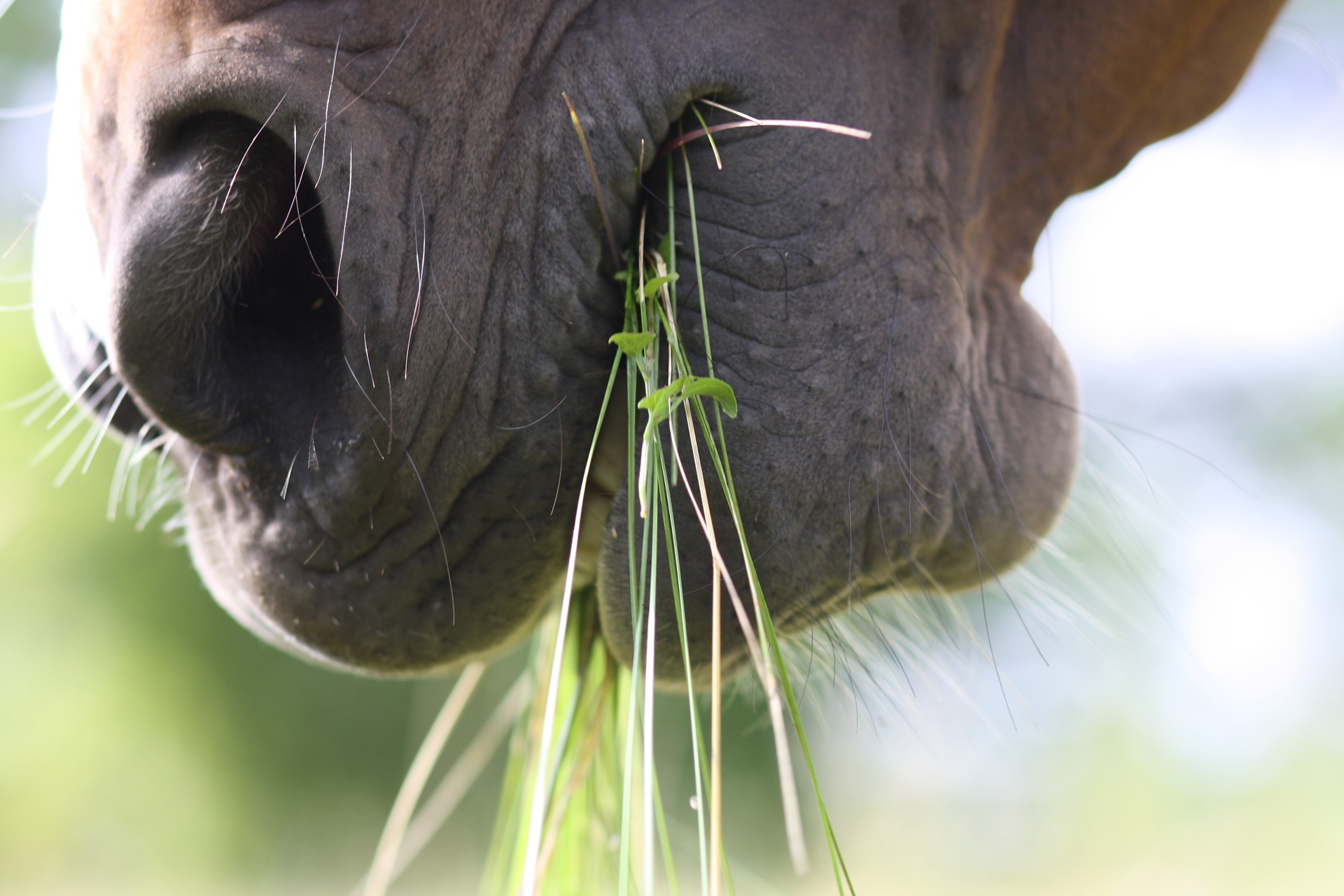
- Photosensitivity: can cause different degrees of dermatitis. The sun is essential for all living beings, but in excess or associated with certain plants ingested by animals or after the application of certain products, it can cause skin problems.
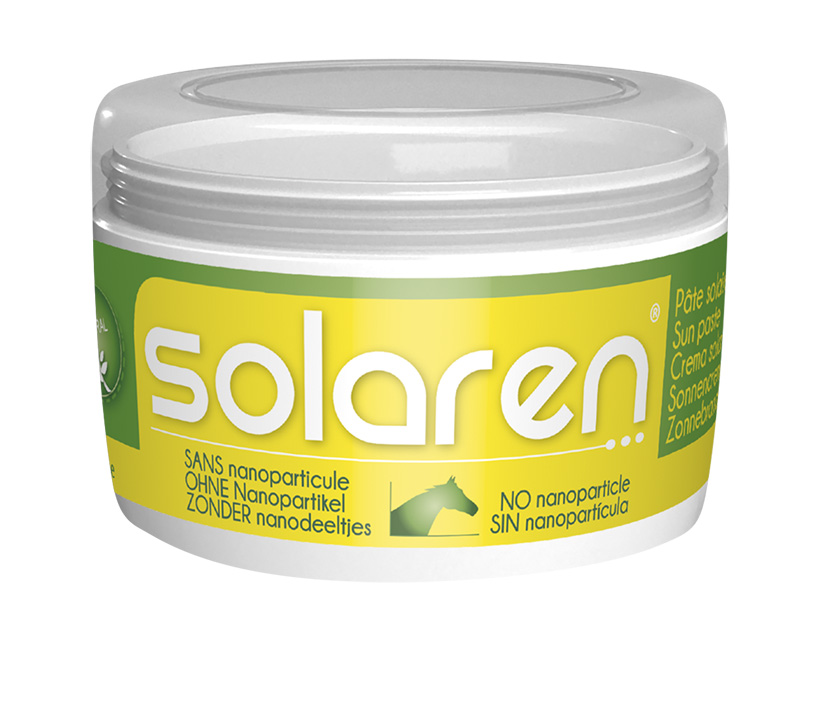
SOLAREN is a 100% natural sun protection cream, especially formulated for the horse's skin, with a high protection index. The pH of the horse's skin is not the same as our skin; for this reason, we need a specific sun cream to be effective.
- Atopic dermatitis: occurs in animals that are relatively young. In it, we observe a racial and family component. Certain breeds, such as the Arabian or Thoroughbred, seem to be more susceptible to the development of atopic dermatitis, although all can suffer from it. It is also common to see several individuals in the same family suffering from atopic dermatitis.
It does not usually respond to seasonal changes and is diagnosed based on family history, if known, and once previous causes of dermatitis are ruled out. - Hypersensitivity to insects.
- Equine summer dermatitis: it is produced by an exaggerated reaction or hypersensitivity on the part of the horse's body to the insect bite. It is believed that you have a certain genetic predisposition.
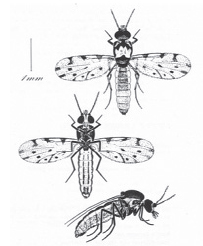
The mosquito (Culicoides) is the most frequent cause of this type of allergy, since the organism reacts to the saliva that is inoculated when biting, producing swelling and itching in the area.
All animals present antibodies against Culicoides, both allergic and non-allergic animals. In sensitive horses, the immune system overreacts, releasing histamine and other substances into the bloodstream, giving rise to symptoms and serious problems to treat.
Once the horse shows symptoms of allergy, it remains allergic throughout his life, which may worsen with age.
This allergy is seasonal, generally occurring from April to October, coinciding with the hottest months since high temperatures and humidity favor the reproduction of mosquitoes. However, due to climate change, we see how this period generally varies, becoming longer.
It is common to find different causes of dermatitis in the same horse, with various factors involved.
AGAINST THIS, WHAT CAN WE DO? PREVENT!
There are factors that favor the appearance of allergic dermatitis. The key is to keep the immune system of our horses in an optimal state to deal with the toxins that cause dermatitis, whether they are from the environment, food or a mosquito bite.

The psychological state of the horse influences the appearance of dermatitis: stress, being bored, or long hours alone, for example, are "psychosomatic" factors that can sometimes be detected in horses. Important changes such as injuries, a change of location, the loss of a partner, the modification of their activity, etc. can affect the well-being of the horse and weaken his immune system, facilitating the appearance of problems, including allergies.
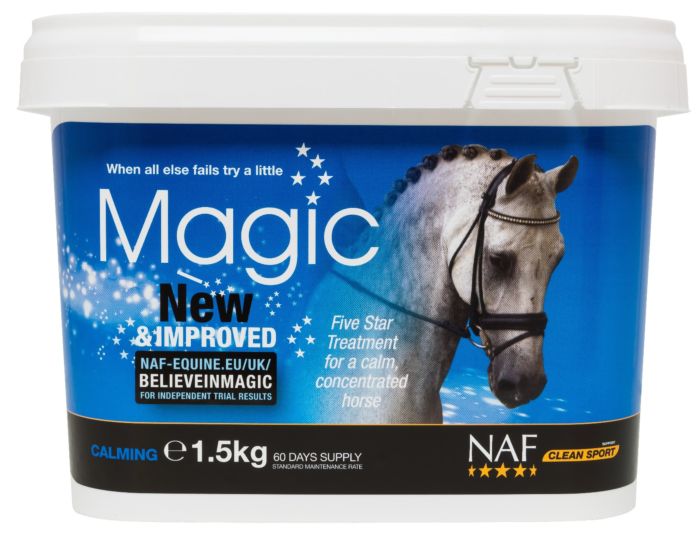
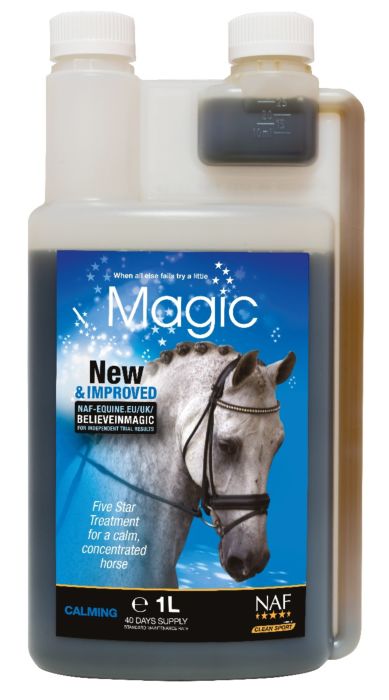
MAGIC is a natural tranquilizer with a unique combination of herbs and bioavailable magnesium to decrease anxiety and improve concentration.
Magnesium is an essential nutrient for the well-being of the horse, and among its functions is the regulation of nervous tension and muscle relaxation.
Available in powder and in liquid.
A good diet is also essential to prevent dermatitis.
It is important to avoid any nutritional imbalance or diet changes during critical moments or peaks of allergy, since this produces stress and is counterproductive for the dermatological condition.
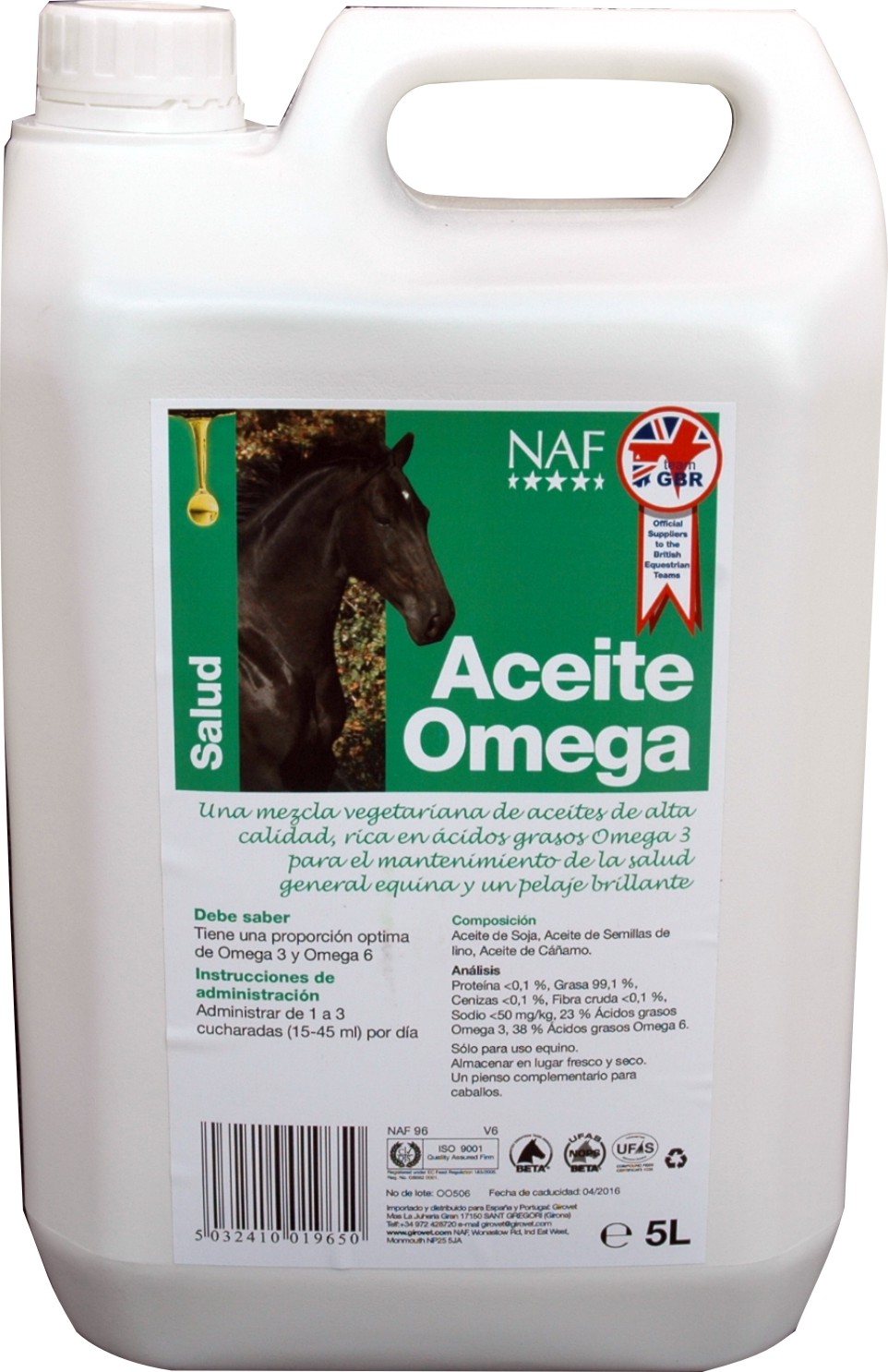
OMEGA OIL is a blend of natural oils rich in fatty essential acids, OMEGA 3, OMEGA 6 and OMEGA 9, that enhance the immune system and improve skin conditions.
With the arrival of spring, allergic horses, due to the bites of insects that release toxins into the horse's bloodstream, develop an allergic reaction. Taking into account the experience of other years and knowing that when a horse is allergic, he will be so for a lifetime, we can preventively administer PICOREX before itching so that when the critical period arrives, we can either avoid an allergic reaction in our horse or make it much milder.

PICOREX reinforces the immune system and eliminates toxins derived from the diet and from insect bites, reducing the probability of developing an allergic response.
If the horse suffered from dermatitis last summer, a prevention treatment is recommended starting 1 month before the critical period of action of Culicoides, administering 26g/day for 30 days.
- Remove manure frequently.
- Keep the beds clean and dry.
- Disinfect facilities.
- Move horses if possible away from stagnant water or decaying vegetation.
- Keep feeders and drinkers clean, and change water regularly.
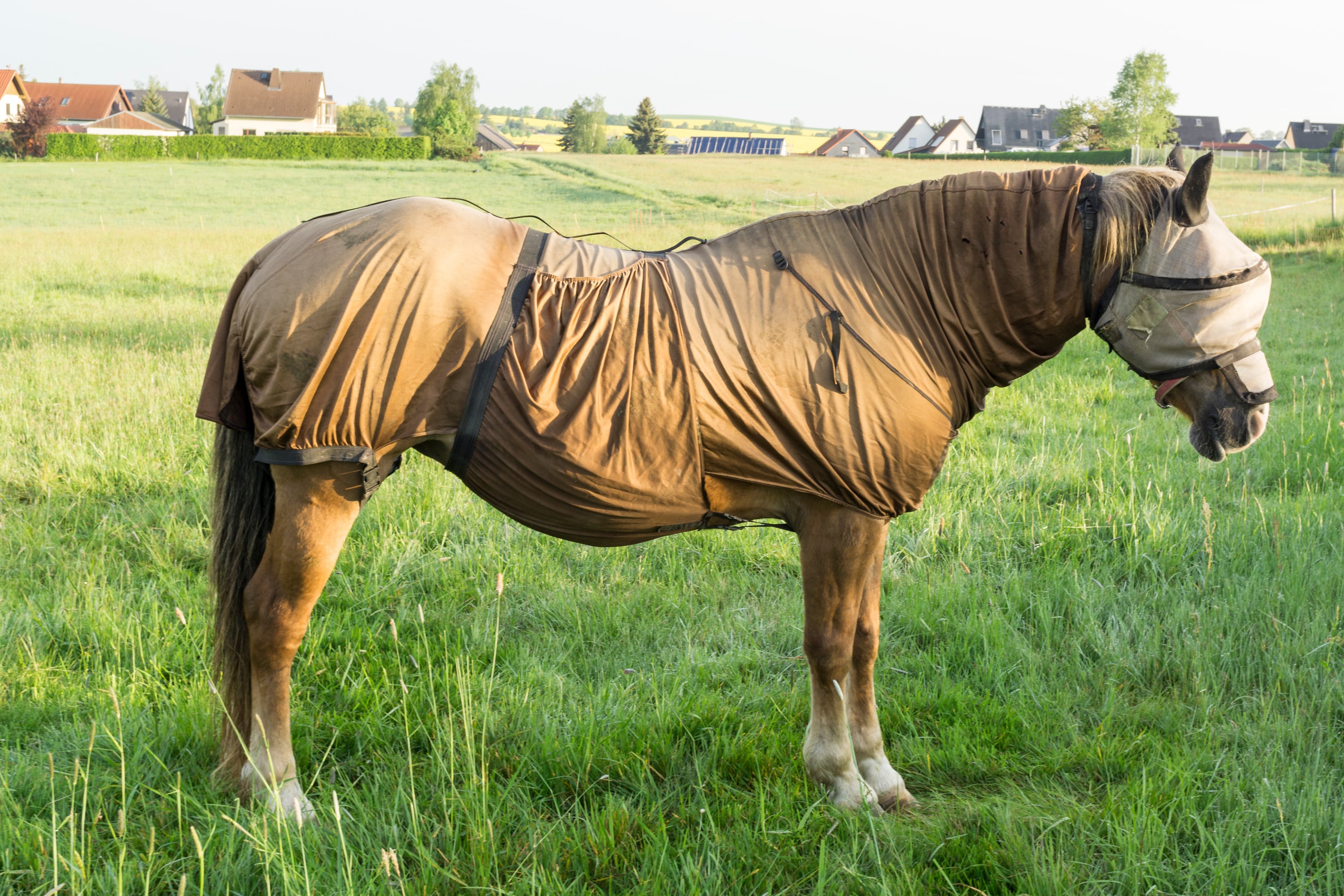
- Install mosquito nets or other mechanical barriers and special blankets against insects.
- Stable horses in the morning and evening, as this is when mosquitoes are most active.
- Ensure good ventilation in the stable.
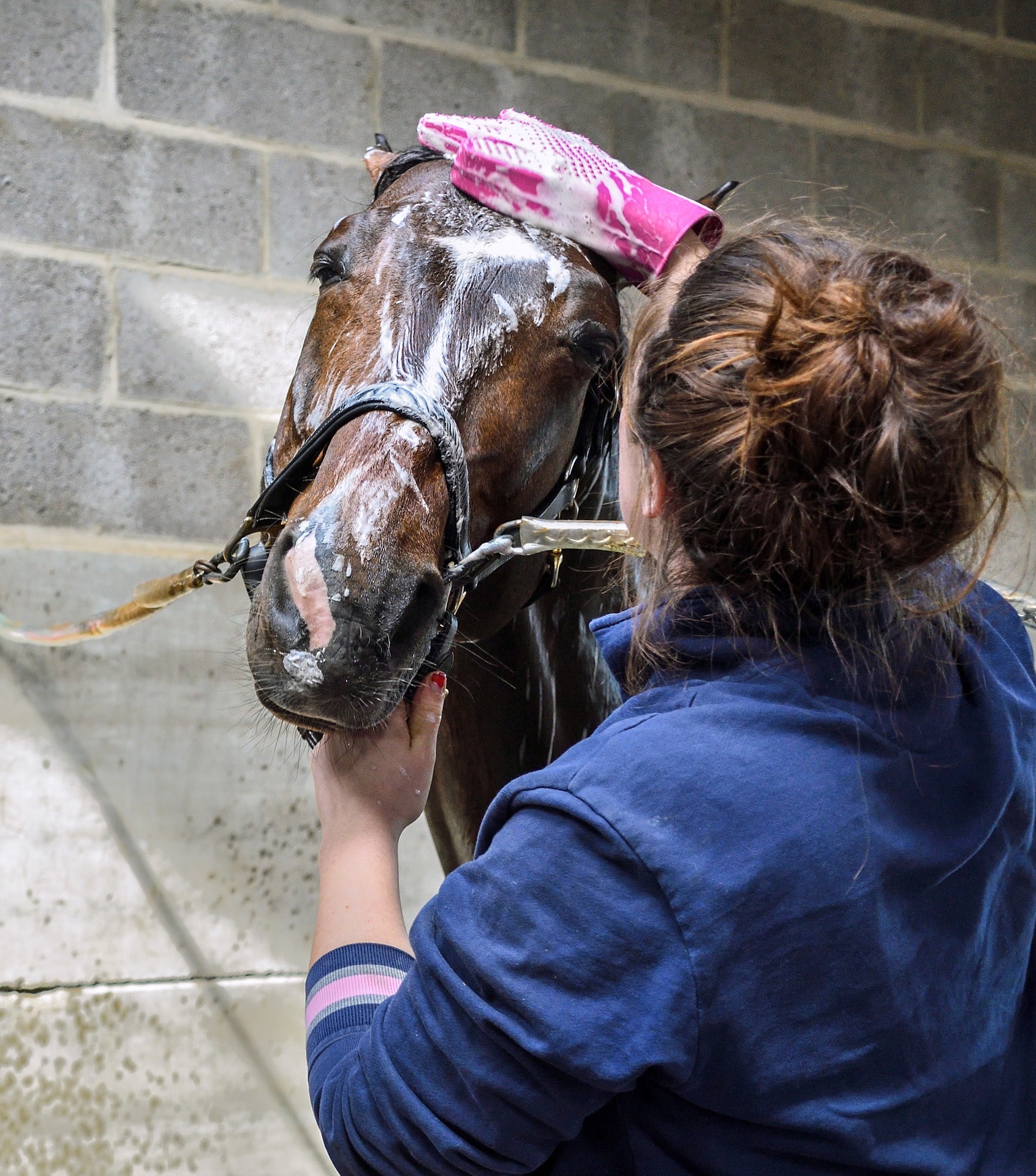
These intense sweats produce a characteristic odor that is very attractive to mosquitoes. By cleaning the horse often, we will reduce this irresistible odor for Culicoides.
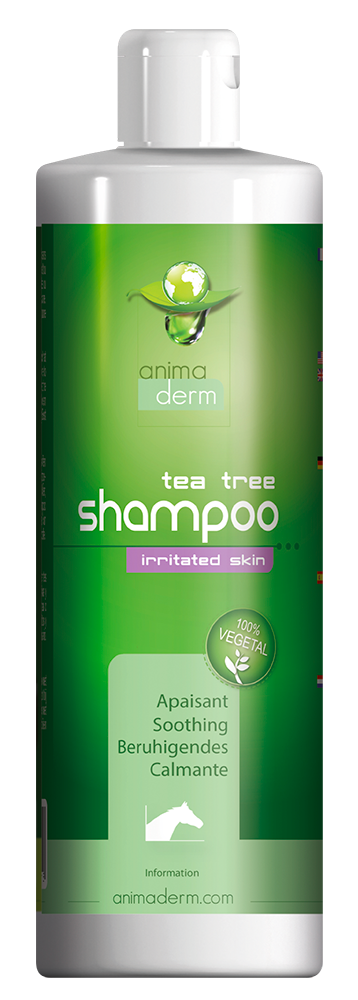
We recommend cleaning the horse with gentle shampoos that are respectful of his skin, such as DERFEN SHAMPOO, an extremely mild shampoo to calm, purify and restore the physiological balance of damaged skin that is prone to itching.
Using repellents prevents the arrival of mosquitoes, especially during those hours when they have more activity.
The use of repellents is highly indicated for all horses because, even if they do not suffer allergic dermatitis, the bites of mosquitoes, flies or horseflies cause a lot of stress and weakness in our animals.
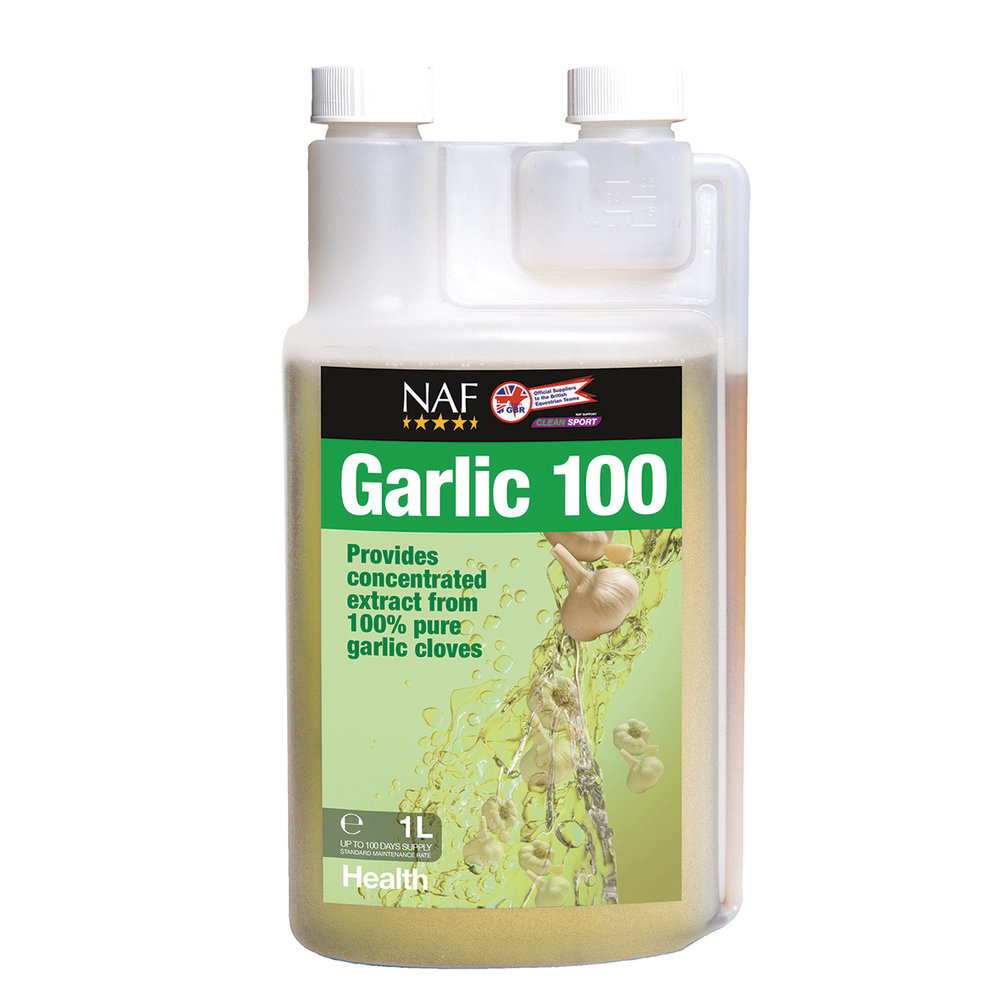
Formulated with a concentrated extract of pure garlic, GARLIC LIQUID provides all the benefits of garlic in an economical and easy-to-administer format. It also contains sulfur, which is capable of reducing the horse's internal parasite load and purifying the blood.
Recommended dose: 30ml/day.

DERFLY is a 100% natural repellent, effective against all types of insects: flies, mosquitoes, horseflies, ticks, etc.It acts in two ways:
1. It masks the odor of the horse, providing a non-attractive odor for the insect.
2. Coat the animal's hair with a microwax that does not allow the insect to remain in the animal's hair or bite.
It also hydrates the skin, is resistant to water, and protects it from UV rays.
CONSEQUENCES AND TREATMENT
What symptoms do we observe when a horse has dermatitis?
Immediate effect: discomfort and hypersensitivity reaction, producing one of the main symptoms, pruritus or itching and swelling. Animals scratch, are irritable, apathetic and upset. If we do not end it, they can scratch until they cause chafing, bald spots when pulling out their hair or mane, and even wounds and scabs. These lesions can become deep and leave scars. Over time, it is typical to see thickening of the skin (hyperkeratosis), depigmentation, abrasions, ulcerations and inflammation with chronic itching.
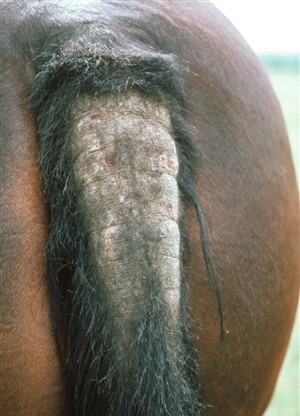
The main areas affected are the face, neck, tail, legs and abdomen. In the event that the first itching appears, soothe them as soon as possible to stop the appearance of wounds and hair loss from the mane and tail, topically with DERFEN and orally with PICOREX at a dose of 52 grams per day for a minimum of 45 days.
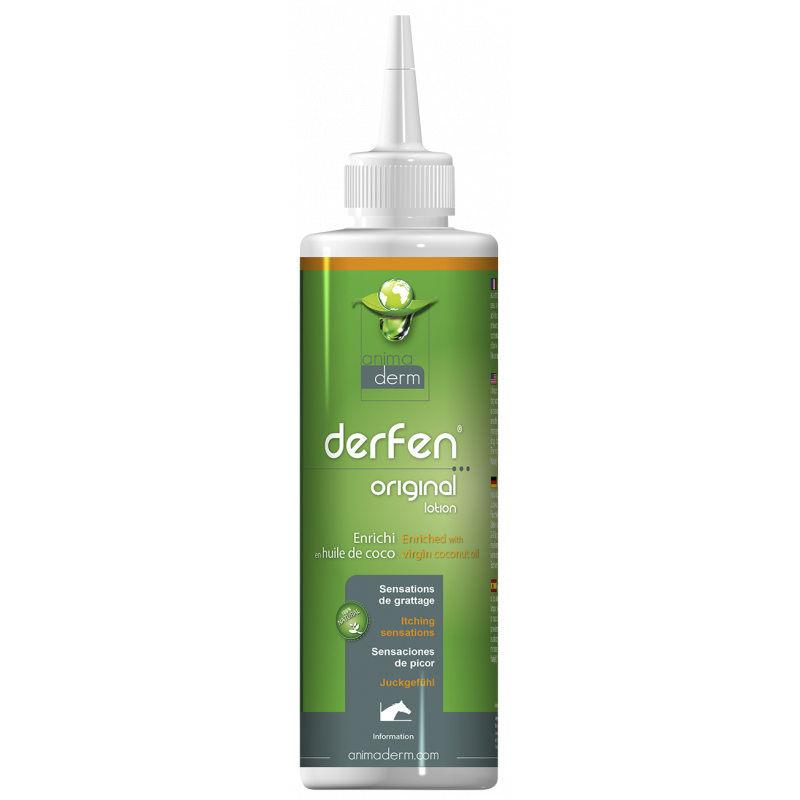
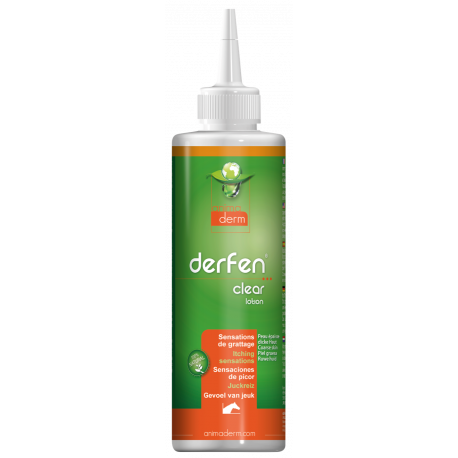
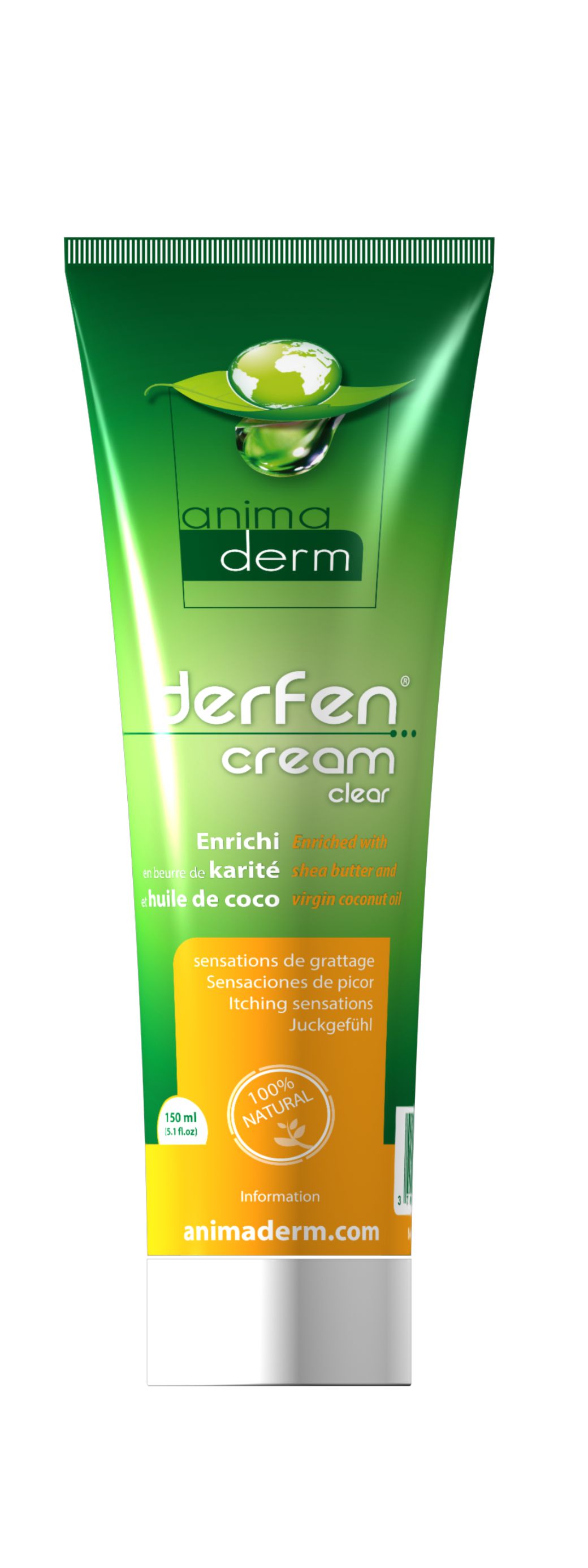
Apply DERFEN topically: it is a 100% lotion that provides effective, immediate, and long-lasting relief from itching. Its formulation in lotion or cream acts on every type of skin allergy and restores the skin's natural defenses. The active ingredients it contains act synergistically to soothe inflammation, regenerate damaged skin, and promote hair growth.
The use of corticosteroids is not a long-term solution due to their many side effects and the risk of contracting laminitis. Due to this, it is necessary to rely on topical treatments and others described, both at a preventive and curative level.
RECOVERY
With the change of season, dermatitis disappears or diminishes, and the skin can recover again. However, a perfect repair and healing is not always achieved, sometimes leaving devitalized and hairless areas that can be annoying for the horse and unpleasant to the eye for the rider.
It is convenient to accelerate the recovery of the dermis and help achieve healthy and strong skin, ready for possible new conditions.
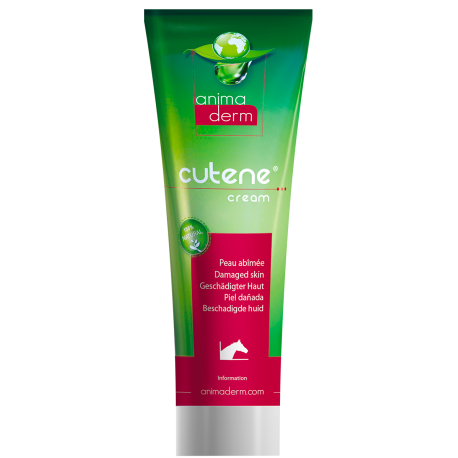
CUTENE is a high-performance healing repair cream that optimizes healing and restores the coat with an identical appearance to the original. All this relieves pain and hydrates the skin.

DERMATIN is an oral supplement to help the skin return to its original state. Contains M.S.M., antioxidants, C vitamin and Zinc as well as a perfect combination of essential herbs to help heal and repair the skin. It is ideal to administer it at a critical moment for the health of the horse's skin, which is sensitive, irritated, and damaged after the summer.
In the case of dermatitis, we know that veterinary medicine can fight the short-term clinical signs of allergies, but prevention is the real key to the fight against itching.
Appropriate management, treatment, and recovery will relieve the symptoms of allergies and significantly improve the quality of life of our horses.
