
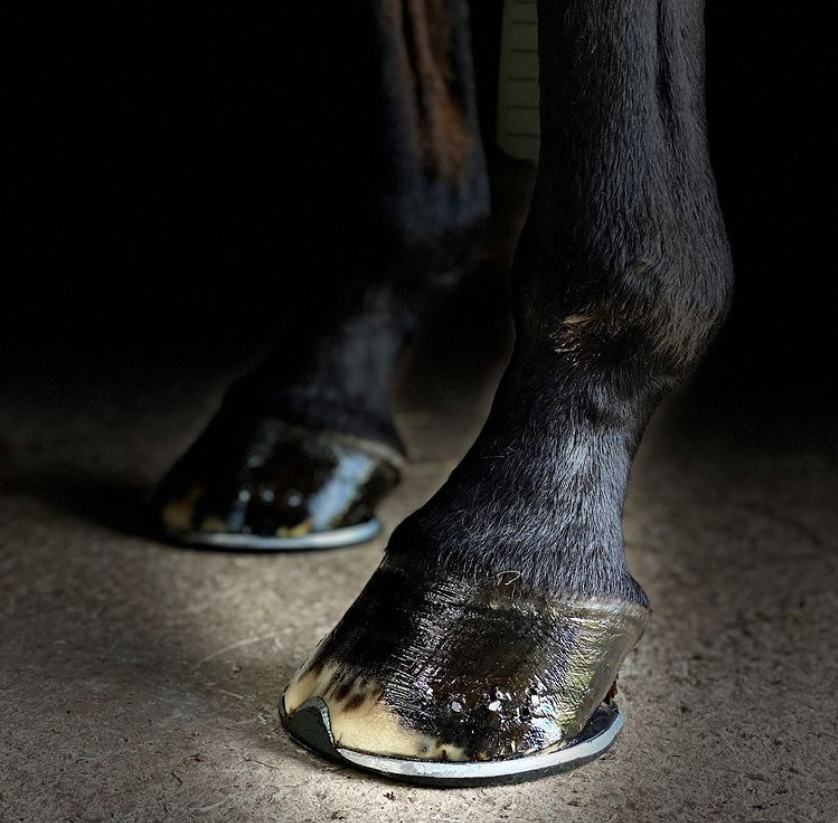
Get rid of problematic hooves
Mercredi 27 Avril 2022Wild horses are predisposed to have strong and healthy hooves, as constant grazing encourages growth while trimming them naturally. Our modern and domesticated horse leads a very different life in the box or paddock. This modern lifestyle can be harmful to the health of the hoof, as can all the environmental challenges that modify the degree of humidity, weakening the structure.
The quality of the hoof is largely governed by intrinsic factors such as genetics or diet, while external elements such as weather, handling, and daily care also play a very important role. And of course, good shoeing is the key to healthy hooves.
The quality of the hoof is largely governed by intrinsic factors such as genetics or diet, while external elements such as weather, handling, and daily care also play a very important role. And of course, good shoeing is the key to healthy hooves.
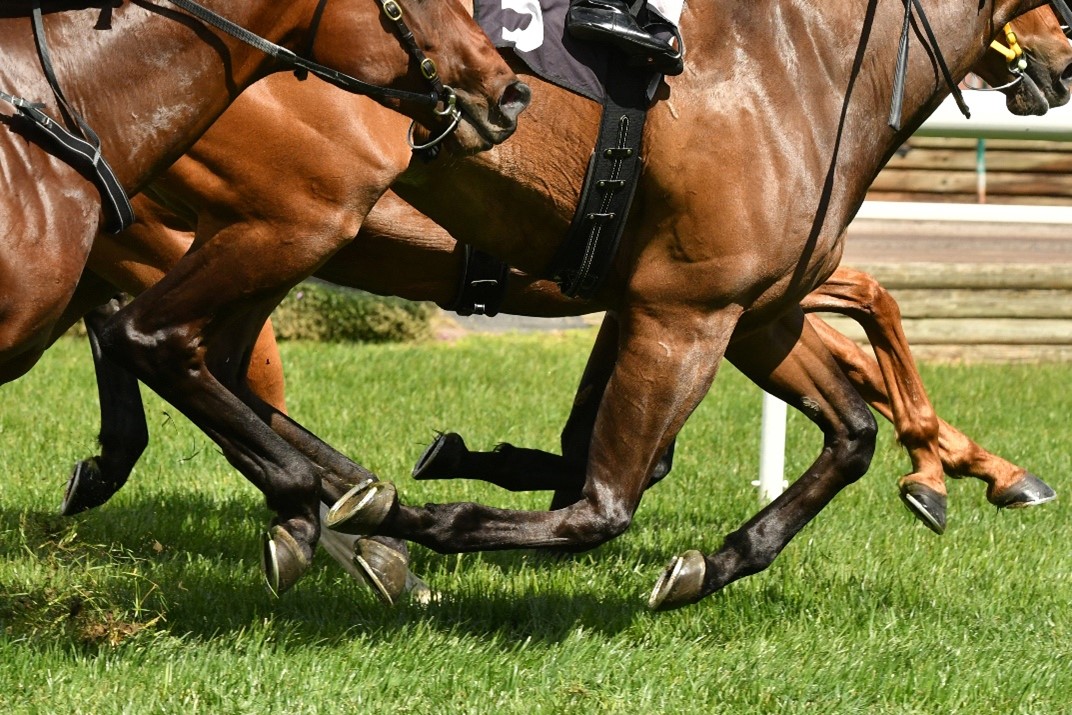
However, specifically formulated nutritional supplements and topical applications can go a long way towards healthy hooves. Both farriers, veterinarians, and nutritionists share the idea that the horse's diet has a very important influence on the integrity of the hoof. Slow growth or a tendency to break and crack are often due to nutritional deficiencies.
'It is possible to have a positive effect on hoof growth through nutritional changes in the horse's diet.'.
When should we give our horse a hoof supplement?
You are lucky if your horse has healthy and strong hooves. All you have to do is monitor its general maintenance, and do not forget about the farrier. However, if his hooves grow slowly (the hoof grows an average of 10mm per month), are prone to breaking or cracking, or are soft and weak, that's when you should pay the most attention.
'It is possible to have a positive effect on hoof growth through nutritional changes in the horse's diet.'.
When should we give our horse a hoof supplement?
You are lucky if your horse has healthy and strong hooves. All you have to do is monitor its general maintenance, and do not forget about the farrier. However, if his hooves grow slowly (the hoof grows an average of 10mm per month), are prone to breaking or cracking, or are soft and weak, that's when you should pay the most attention.
A good supplement for hooves must provide:
- Recommended levels of biotin
- Essential cysteine for disulfide
- MSM for sulfur supply
- Methionine to cysteine conversion
- Essential fatty acids
- Vitamin and mineral complex
- Wide mix of aminoacids
- Vital antioxidants against oxidative stress
The importance of the diet
Different studies highlight Biotin as the reference ingredient when it comes to maintaining healthy hooves, coats, and hair. Biotin contains sulfur, which helps strengthen and repair connective tissues, including the collagen within the dermis. In many diets, biotin is included as part of the daily ration; however, its real absorption is questionable, leading to the need for supplementation.
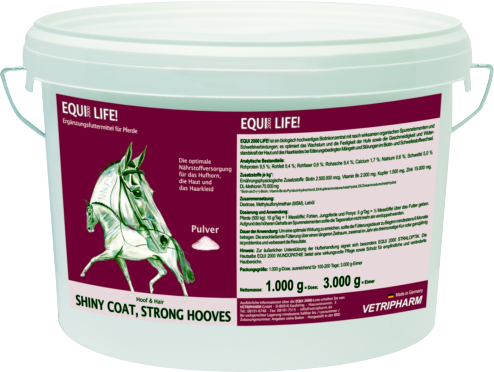
EQUI 2000 LIFE
Supplement highly concentrated in biotin. Contains ingredients that are rapidly effective and capable of improving the hoof structure and resistance while providing benefits to the hair and coat. Ensures optimal growth of the hoof, mane and tail. Biotin concentrations are six times higher than those of other supplements.
While biotin is the most recognized ingredient for hoof maintenance and enhancement, there are other essential ingredients for maintaining healthy hooves that the horse may be deficient in his diet.
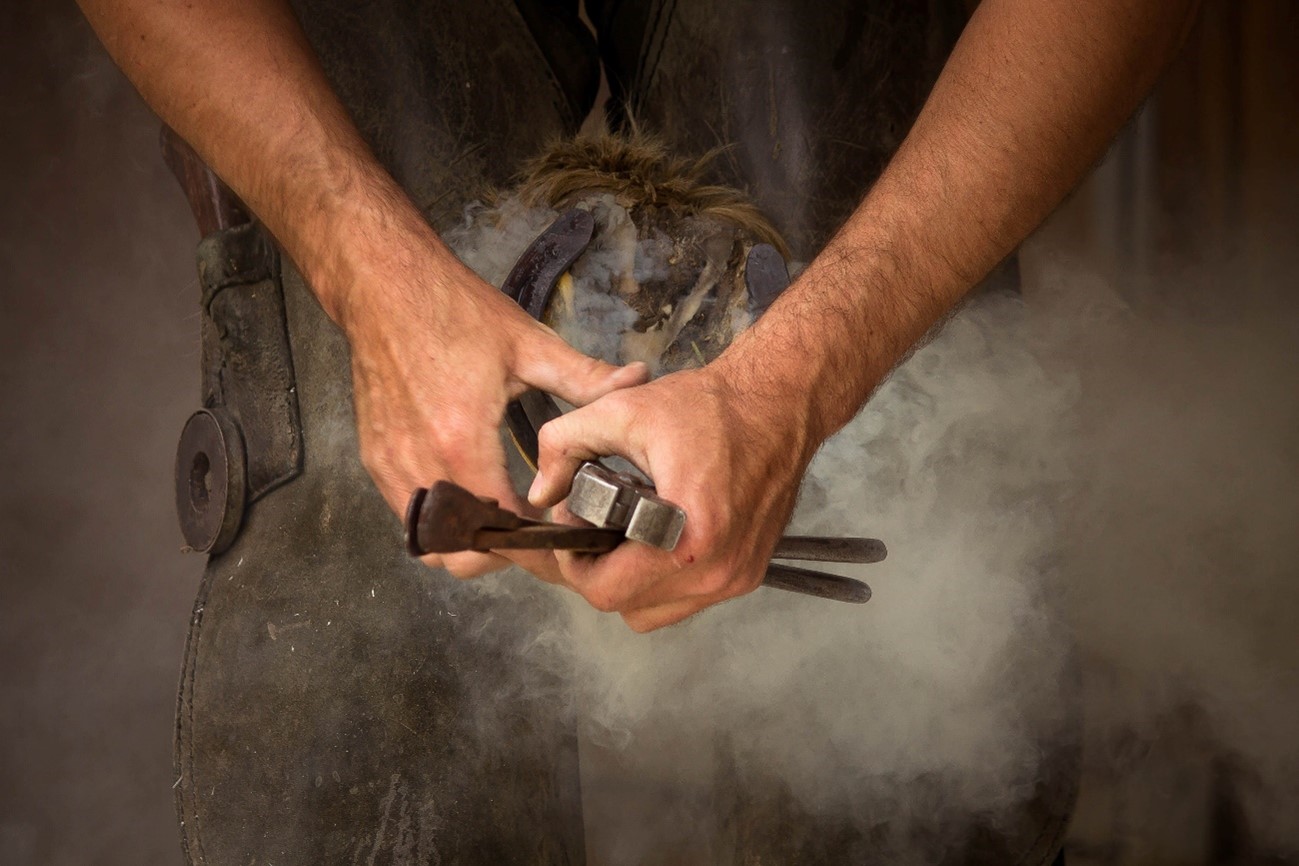
Sulfur is really important for the hoof. The smell we associate with hot horseshoes is that of burned sulfur. As in the case of biotin, its availability is essential. MSM (Methyl Sulfonyl Methane) is the most bioavailable form of sulfur in its purest form.
Sulfur is really important for the hoof. The smell we associate with hot horseshoes is that of burned sulfur. As in the case of biotin, its availability is essential. MSM (Methyl Sulfonyl Methane) is the most bioavailable form of sulfur in its purest form.
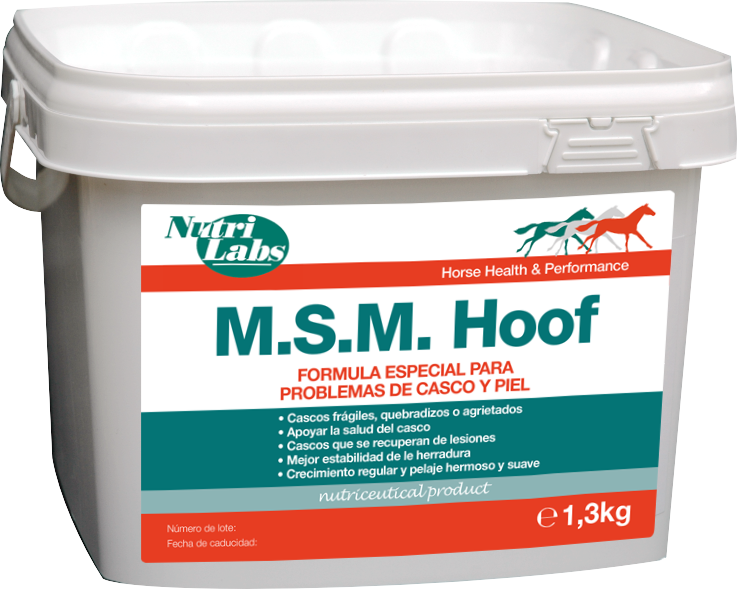
MSM HOOF
With its special formula for hoof injuries, MSM Hoof contains highly concentrated ingredients in MSM, Zinc and A vitamin, creating an extraordinary rate of hoof growth and recovery. A minimum treatment period of 6 months is recommended.
Methionine is an essential aminoacid that the horse cannot produce on its own. Provides support for connective tissue and liver function, as well as having antioxidant properties. It has the ability to convert into cystine, which represents about 25% of the total aminoacids in keratin. The formation of keratin is vital for the structure and solidity of the hooves. A hoof that is low in methionine and, as a result, low in keratin can be sticky and white to the touch.
Zinc, in the form of Zinc sulfate, is another of the elements associated with hoof health. Its role is in the hardening of the hoof and the condition of the skin and hair.
We must always keep in mind that liver function is really important for hoof growth. The liver extracts carbohydrates, lipids, and proteins from the diet, as well as toxins from the body. If the liver does not work properly, the health of the hoof can be affected.
Zinc, in the form of Zinc sulfate, is another of the elements associated with hoof health. Its role is in the hardening of the hoof and the condition of the skin and hair.
We must always keep in mind that liver function is really important for hoof growth. The liver extracts carbohydrates, lipids, and proteins from the diet, as well as toxins from the body. If the liver does not work properly, the health of the hoof can be affected.
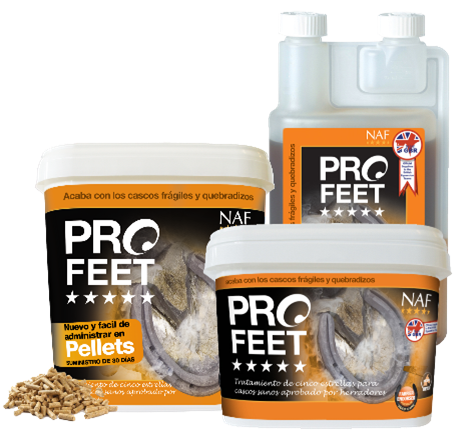
PROFEET powder, liquid or pellets
Combines optimal daily levels of biotin with key nutrients and antioxidants to provide unique protection for weak hooves. Profeet stands out from other hoof supplements due to its high nutritional contribution, which helps liver function by increasing the assimilation of the ingredients and achieving more and better hoof growth.
While most of us are very familiar with the hoof wall and underside of our horse's hooves, it is the internal structures that are often underestimated. Supplying the right nutrients helps keep the hoof working properly from the inside out, as well as keeping the structure strong and healthy to be ready for all conditions.
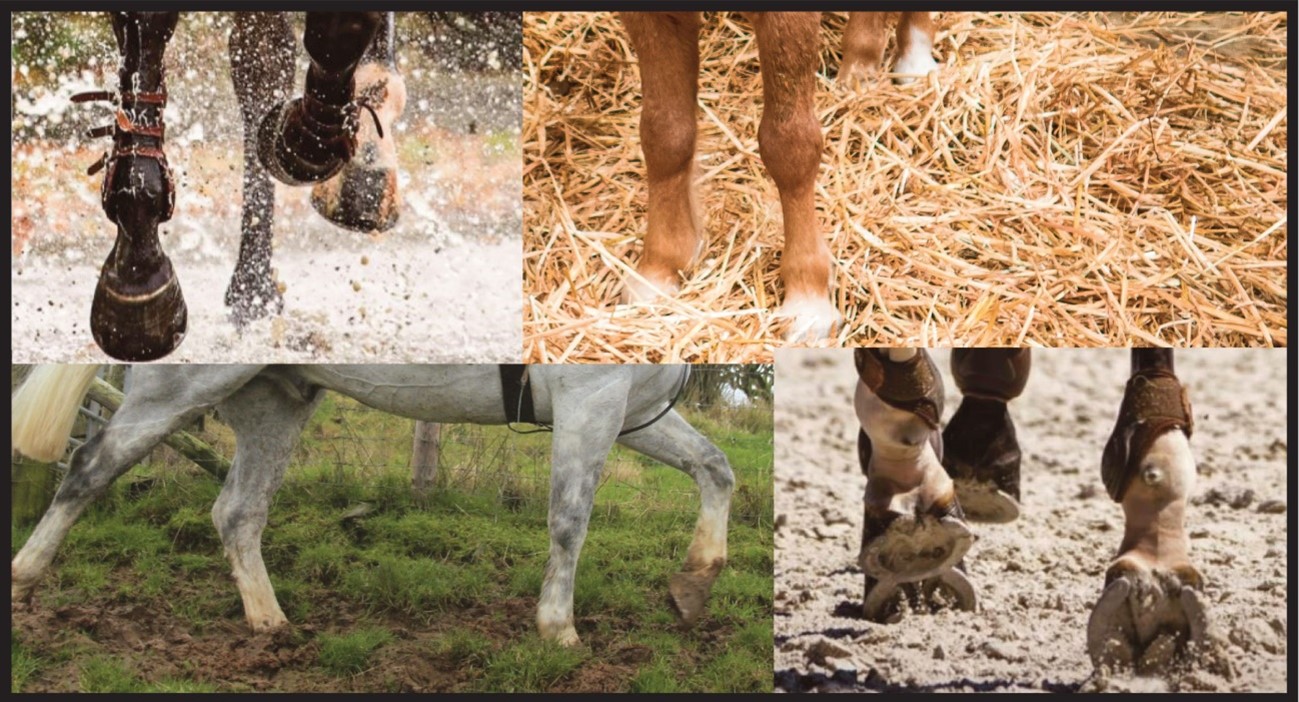
Whether the horse competes or not, there are numerous environmental threats that could be detrimental to your horse: weather conditions, humid or dirty bedding, or some danger in the field that could cause an injury. All these situations can be a threat to the health of the hooves and leave vulnerable areas; however, with daily support, the hoof can be strengthened and not suffer extensive damage.
One of the most important aspects of maintaining healthy hooves is ensuring that the outer membrane is in good condition. Just below the crown, at the junction of the skin with the hoof, is the periople, which is intended to prevent moisture from evaporating from the hoof. When this material is scarce, the hoof wall dries out, and cracks can occur.
One of the most important aspects of maintaining healthy hooves is ensuring that the outer membrane is in good condition. Just below the crown, at the junction of the skin with the hoof, is the periople, which is intended to prevent moisture from evaporating from the hoof. When this material is scarce, the hoof wall dries out, and cracks can occur.
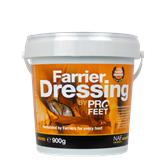
FARRIER SOLUTION is an innovative solution for hooves, formulated by farriers for all types of hooves. Maintains the hooves health throughout the year.
FARRIER DRESSING is a regenerating ointment to give elasticity and flexibility to the walls and sole of the hoof and promote its growth. Recommended for problematic hooves.
Many hoof problems come from disorders in hoof moisture. An excess of humidity due to waterlogged or muddy soils can weaken the structure of the hoof and lead to problems of bacterial or fungal origin.
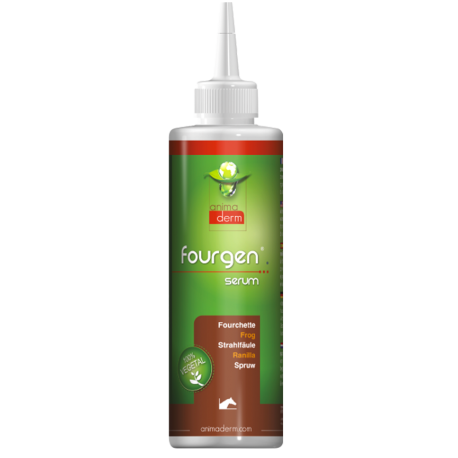
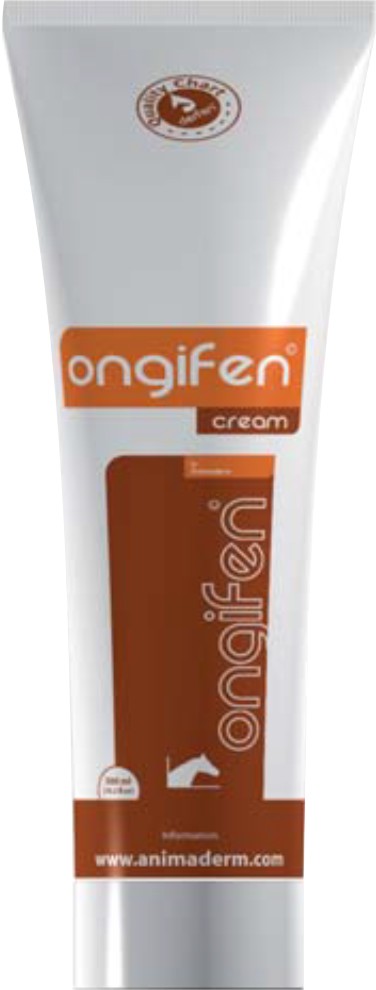
If we find hoof or frog problems caused by bacteria or fungus, we must deeply clean the affected area and apply a cleansing and disinfectant solution such as Fourgen.
We recommend applying it together with Ongifen, which forms a water-repellent protective film, preventing the entry of dirt and humidity.
On the other hand, when the environment is dry and hot, the hoof can show a lack of moisture. A dry hoof is weak and brittle and shows a poor appearance in general, leading to shoe loss problems. A dry hoof is a major problem, as the fluids in the cornea balance to absorb the impact force of hoof-to-ground contact. The dryness that causes the ground to be hard also makes the hoof less able to withstand the impact.
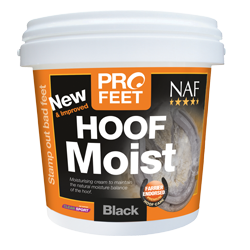
HOOF MOIST is a moisturizing, non-greasy cream that penetrates the hoof wall. An advanced and modern alternative to oils and greases, without softening or closing the pores of the hoof structure, allowing it to breathe naturally and preserve internal moisture. Hoof Moist helps to improve the condition of dry hooves, especially during the hottest months.
The topical products for hooves need to be applied every day?
With the changing conditions that horses' hooves endure on a daily basis, we must ensure that we help them maintain a constant. A dry bed, different types of soil, sandy surfaces—the ever-changing conditions can, over time, weaken a healthy hoof. Applying a specific hoof product daily can prevent the hoof from becoming susceptible to cracks and fractures and counter potential genetic deficiencies.
Hoof quality is largely governed by intrinsic factors such as genetics and diet, but external elements such as weather, handling, and daily care also play an important role. Regular visits from the farrier are absolutely necessary to ensure that hooves are balanced and well cared for, but good nutrition both internally and externally ensures that the hoof is healthy and ready for optimal performance.
With the changing conditions that horses' hooves endure on a daily basis, we must ensure that we help them maintain a constant. A dry bed, different types of soil, sandy surfaces—the ever-changing conditions can, over time, weaken a healthy hoof. Applying a specific hoof product daily can prevent the hoof from becoming susceptible to cracks and fractures and counter potential genetic deficiencies.
Hoof quality is largely governed by intrinsic factors such as genetics and diet, but external elements such as weather, handling, and daily care also play an important role. Regular visits from the farrier are absolutely necessary to ensure that hooves are balanced and well cared for, but good nutrition both internally and externally ensures that the hoof is healthy and ready for optimal performance.
