
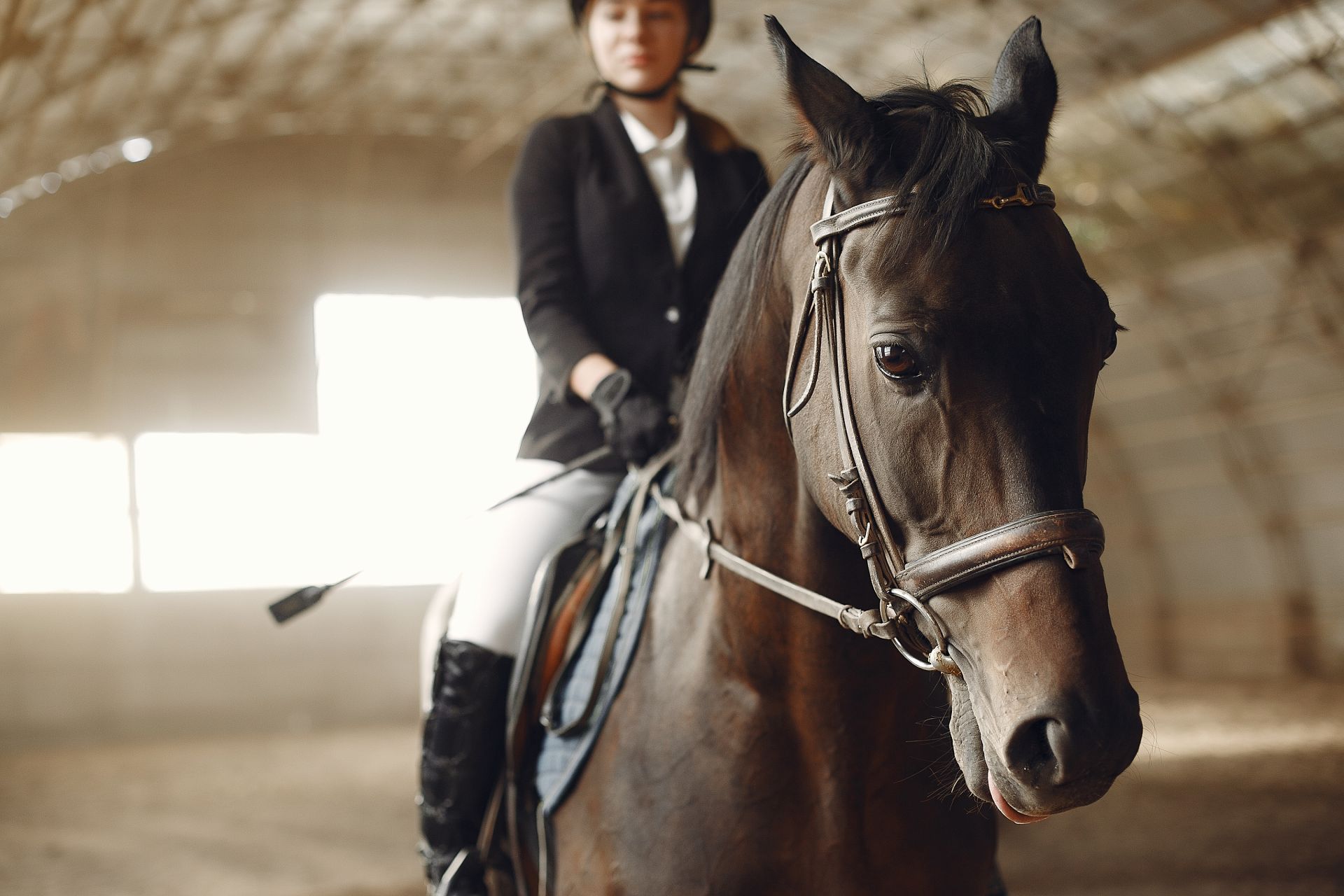
Nervous horses
Mercredi 14 Août 2024The normal behavior of the horse consists of drinking, eating, sheltering, socializing, reproducing, resting and fleeing from danger. The psychology of the horse has evolved to adapt to our demands, although most of our training methods and activities are far from natural. No matter how much we try to modify his behavior, his natural instinct never disappears.
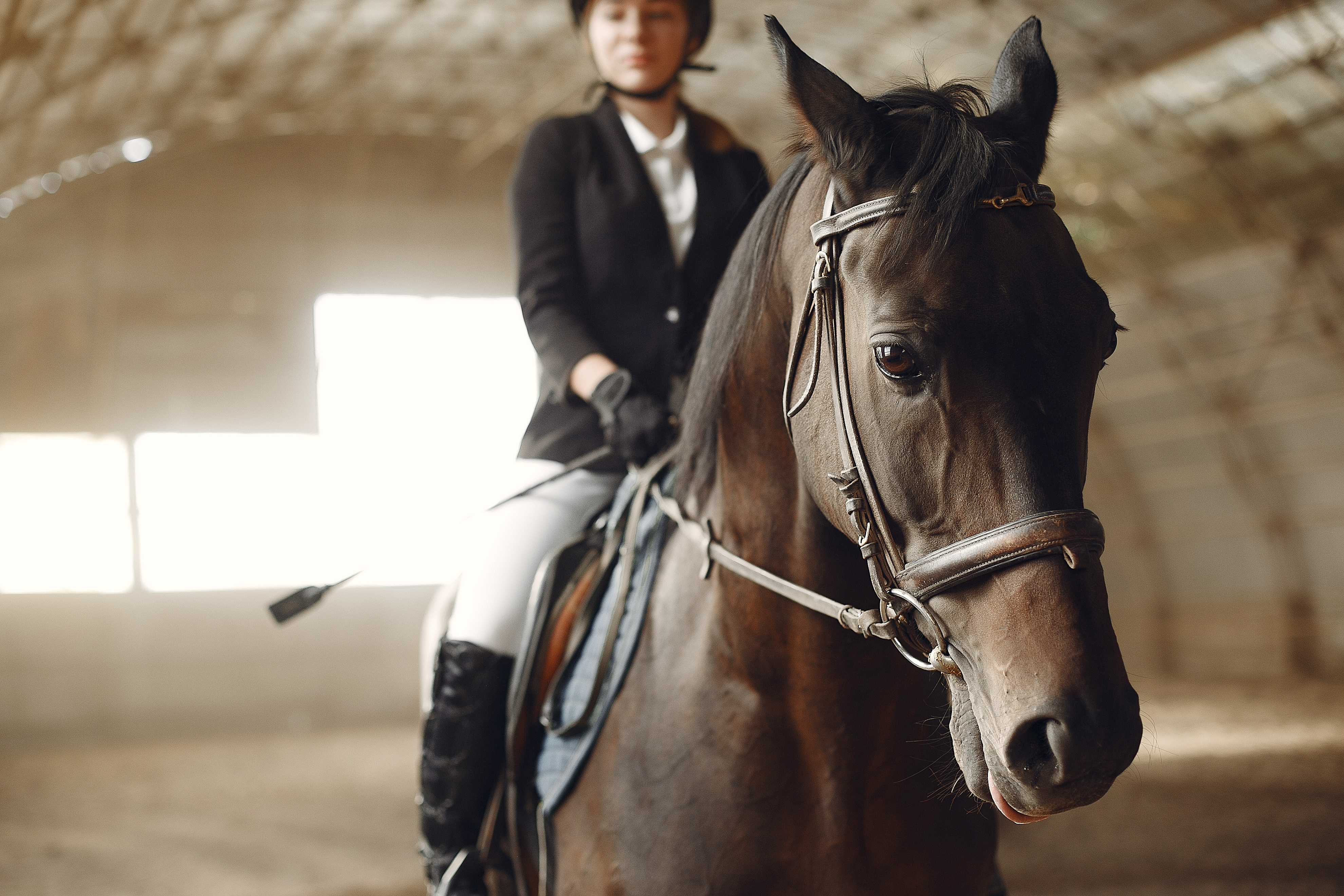
A horse has no clearer and more concise way than to refuse to do something to let us know if something hurts or bothers him. Behavior problems are difficult to solve for both us and the horse, and before thinking that we have a stubborn horse, we must rule out that there is really an underlying cause for which he refuses to cooperate. The most obvious causes of misbehavior are pain, as a horse is under stress and may react in unexpected ways; confusion: many times we use punishment inappropriately without first understanding the messages that the horse is sending us (confusion is one of the most frequent causes of behavior problems during training); and finally, bad experiences, because the horses remember perfectly the place where it happened and the person with whom it happened.
Stress and its effects
The functioning of the horse's brain is a mystery since we can only interpret his thoughts through his behavior, and that is when we can get confused when interpreting them and overlook any sign of discomfort.
When a horse is stressed or scared, it produces adrenaline, which is necessary to be able to start running immediately. In addition, excessive adrenaline will prevent him from relaxing and will make him feel excited under constant pressure, with the consequent suffering.

Stress weakens the immune system, making the horse more susceptible to viral infections. This increases the possibility of being ill, especially if he has been around horse rallies or been transported in a germ-filled truck or trailer. In addition to the discomfort it generates in the horse, it can also be harmful to his body, since chemical substances are released that can cause allergic reactions, colic, gastric ulcers, diarrhea, etc.
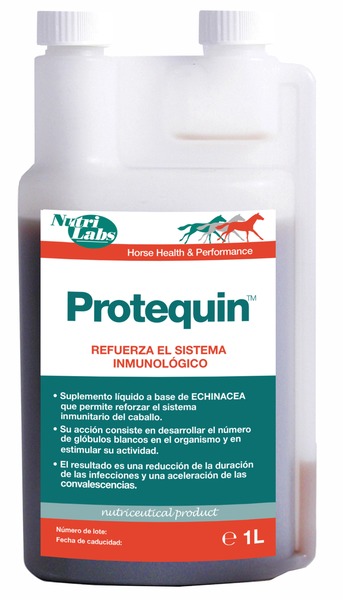
PROTEQUIN
Indicated to strengthen the immune system. When a horse is stressed, it is important to have an active immune system in order to prevent the horse from suffering viral infections.
We must distinguish between four types of stress of different origins in the horse:
- Behavioral stress: horses do not see the world the same way that we do; their vision is different, their hearing is more refined than ours, etc. This is a possible explanation of why the horse can suddenly jump the other way or get scared without anything apparent. A stressed horse is usually an agitated animal with a tense body, ears back, and head up.
- Mechanical stress: the level of stress in these animals increases if they suffer from some type of injury, such as lameness, inflammation, or some systemic disease. Any effort that we ask of an animal that is not in optimal condition can be frustrating.
- Nutritional stress: the digestive system is designed to receive food throughout the day and also a large proportion of it in the form of fodder; thus, rationing food is nothing more than a way of humanizing the primal instinct of these animals.
- Immune stress: as discussed above, a weakened immune system makes him more susceptible to viral or bacterial infections. That is why it is so important to maintain an appropriate deworming and/or vaccination program.
Determining what stress situation we are facing can be essential to establishing a solution.
Behavior problems solutions
Transport, concentrations, routes and walks
There are moments of more stress for the horse, which usually lead to situations that are difficult to manage. On these occasions, the horse, even if he is calm, does not behave as usual and can be restless and nervous. When one of these moments approaches, such as transport, concentrations, routes, or walks in which he will have to share space with other horses, we can anticipate and prepare the horse so that he is calmer.
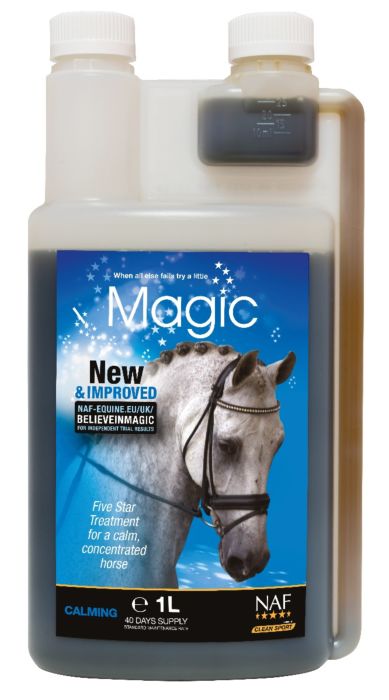
MAGIC LIQUID is formulated with highly bioavailable Magnesium and a mixture of traditional plants to combat stress and anxiety. It is a quick and effective solution to having a calm and focused horse.
Dose: 25ml/day.
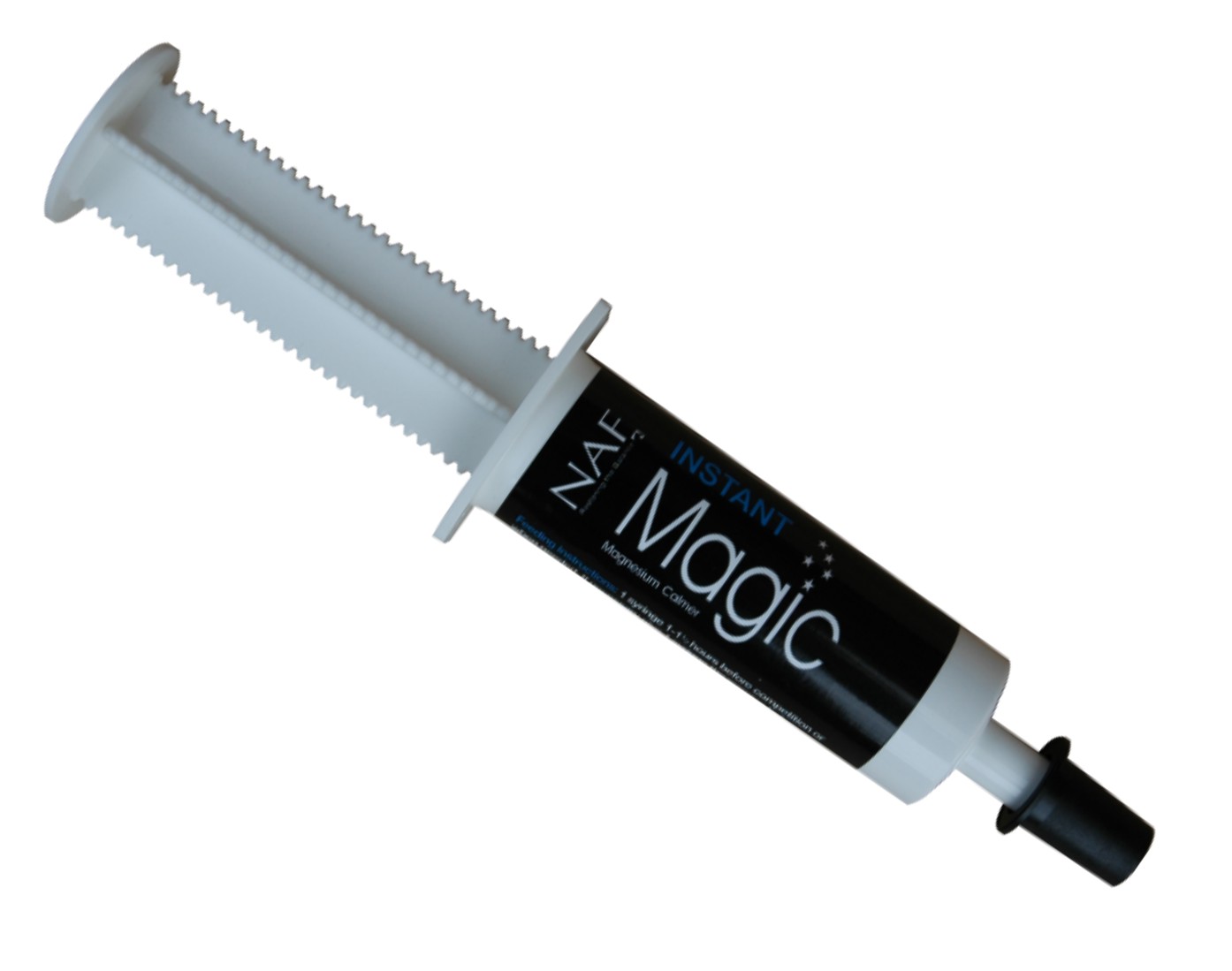
MAGIC INSTANT SYRINGE has a quick calming effect.
It works in less than an hour and works all day. Administer a syringe an hour and a half before the event.
Training
During the training, the horse is desensitized to fear so that it understands that he can trust us. However, if this process is not done properly, the horse can become completely blocked every time he is exposed to the same situation that terrifies him.
Using the right supplement makes it easier for the horse to concentrate on exercise or training.
Using the right supplement makes it easier for the horse to concentrate on exercise or training.
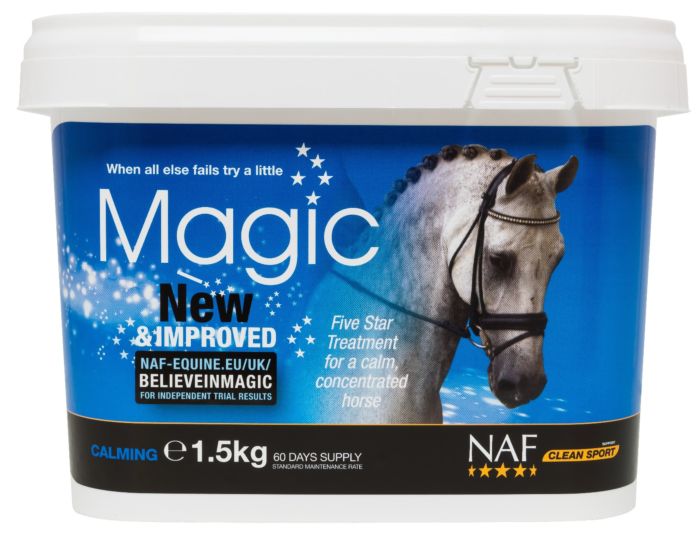
MAGIC 5 STAR combines highly bioavailable magnesium with herbs with calming properties. It is ideal for all sports and competition horses. Is also indicated for young horses that are prone to anxiety, lack experience, or are unfocused.
Mood and behavior changes in mares and stallions
When we observe in the mare mood swings, poor performances, reduced movements, hypersensitivity to being touched, or coldness, the discomfort may be due to imbalances in her hormonal cycle. In the case of stallions, there may be behavioral changes during the mating season. In these cases, it is recommended to administer a product that helps to restore hormonal balance, such as Control Mare.
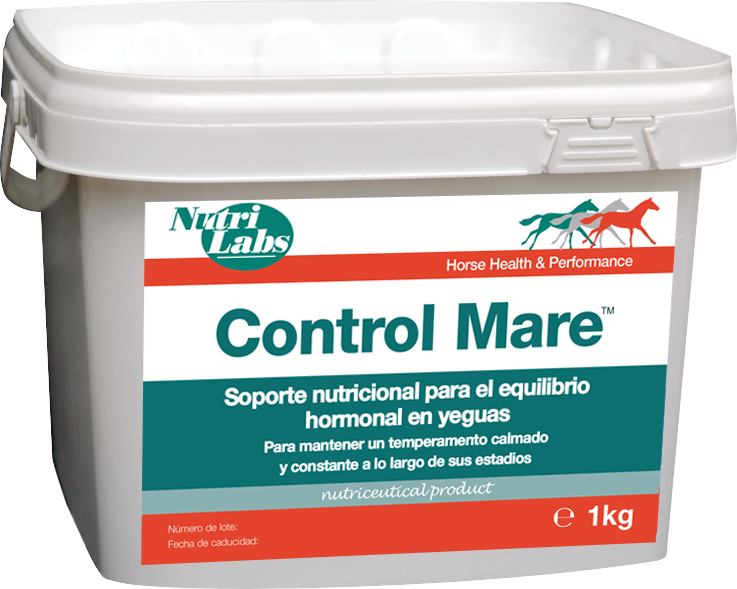
CONTROL MARE contains essential ingredients to calm and regulate the reproductive system in mares: vitamins, aminoacids, minerals, oligoelements, antiinflammatories and antioxidants.
It also contains bioavailable magnesium to relax muscle tension and calm the horse. Is also rich in natural antioxidants.
Temperamental horses
In the case of temperamental, nervous, stressed or naturally excited horses, which is part of their usual state, a longer and more constant treatment based on tryptophan and magnesium is recommended. In addition, we can reinforce this treatment with a specific supplement on the day of the event or competition.
EQUI 2000 TRYPTOMIX is formulated with tryptophan.
Its daily administration (20g/day) achieves uninterrupted mental well-being in temperamental horses.
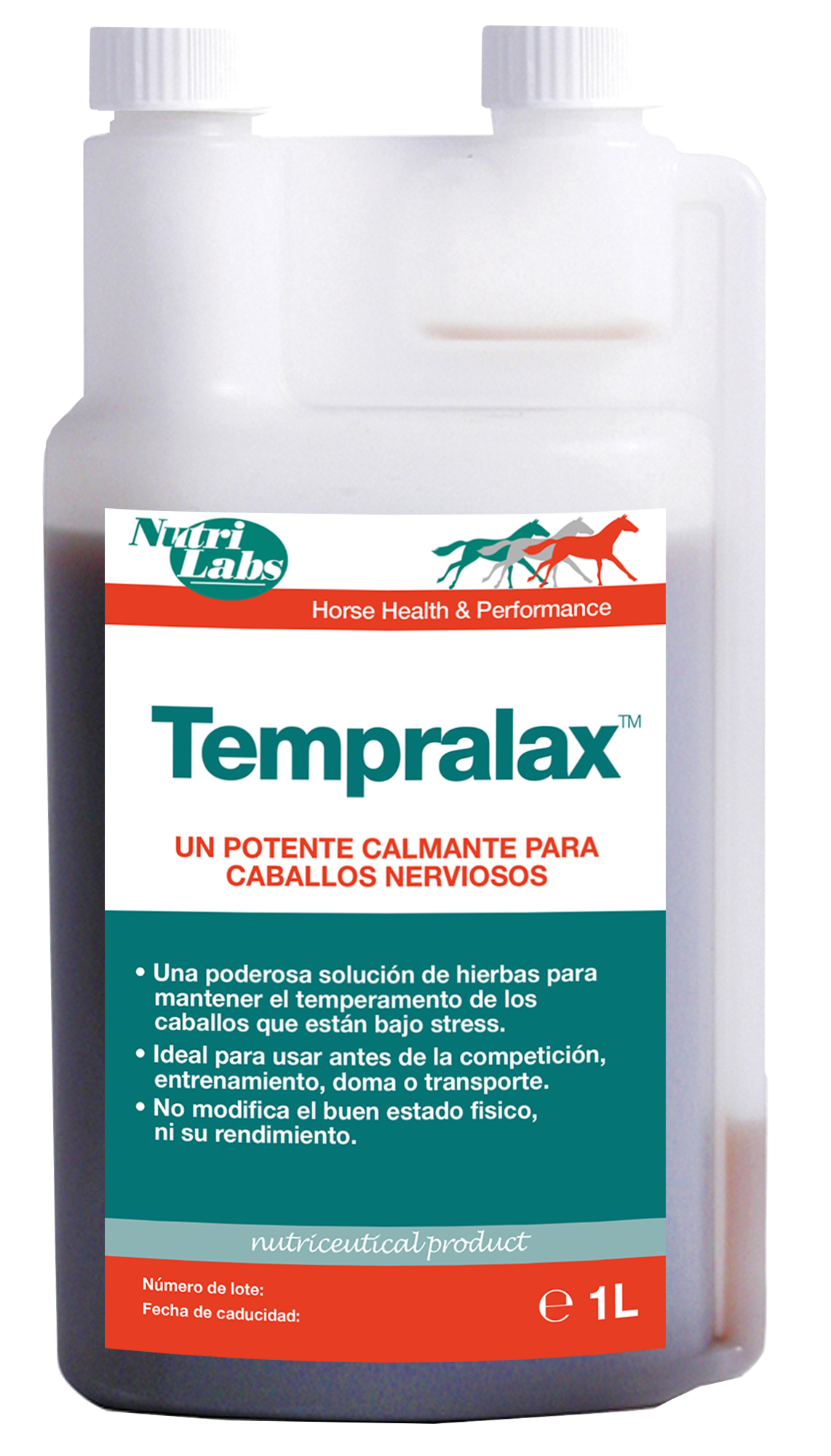
Administer TEMPRALAX, a powerful natural tranquilizer with tryptophan and magnesium, 2 hours before the event, when the horse is still totally calm. Tempralax does not alter the good physical condition or performance of the horse.
