
Skin problems in winter
Jeudi 07 Mars 2024At this time of the year, there is a higher incidence of so-called "mud fever" or "cracked heels", a pathology frequently produced by a bacteria called Dermatophilus congolensis.
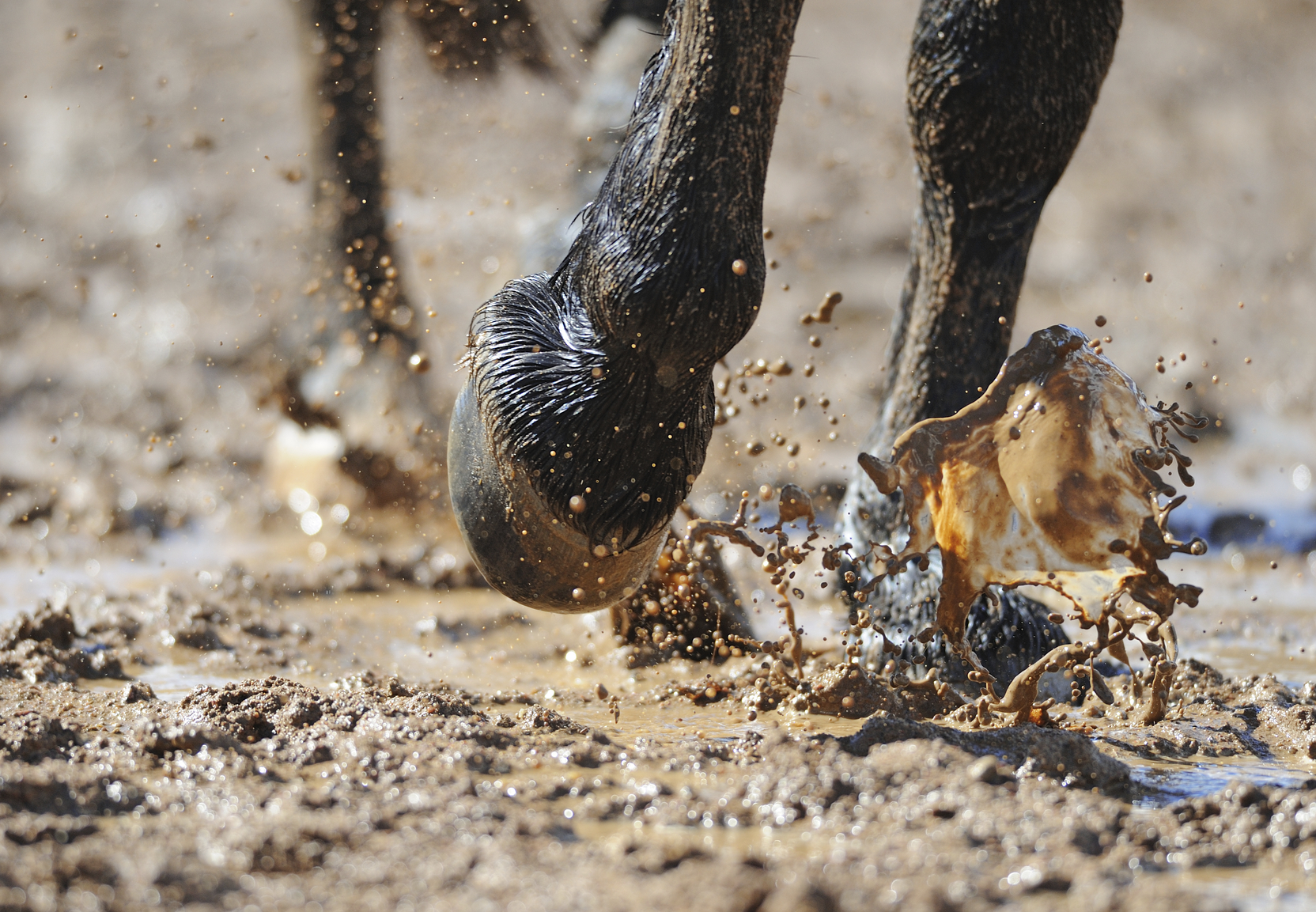
Under normal conditions, the horse's healthy skin acts as a protective barrier, preventing the entry of different microorganisms. However, there are environmental factors such as high humidity, cold, mud, dirty bedding and poorly ventilated and hot boxes that favor the appearance of skin pathologies.
Certain genetic factors predispose some breeds more than others to suffer from this pathology. Horses with white hair on the lower legs, for example, are more prone to it.
This pathology begins as a slight dermatitis; irritation is observed in the folds of the pasterns, showing a sore, sensitive and hot area. When the skin damage is high, softening of the skin and open wounds are observed, followed by hair loss, inflammation, and scabs. If the disease continues to progress, exudates will appear that cause infections and deep cracks in the affected areas. These phases are annoying and painful for the horse, and they can even cause lameness.
For this pathology, the best cure is prevention. In order to carry it out, there must be a daily and systematic routine, such as washing the extremities with soap and water and drying them properly with a towel.
THE SOLUTION TO THE MUD FEVER
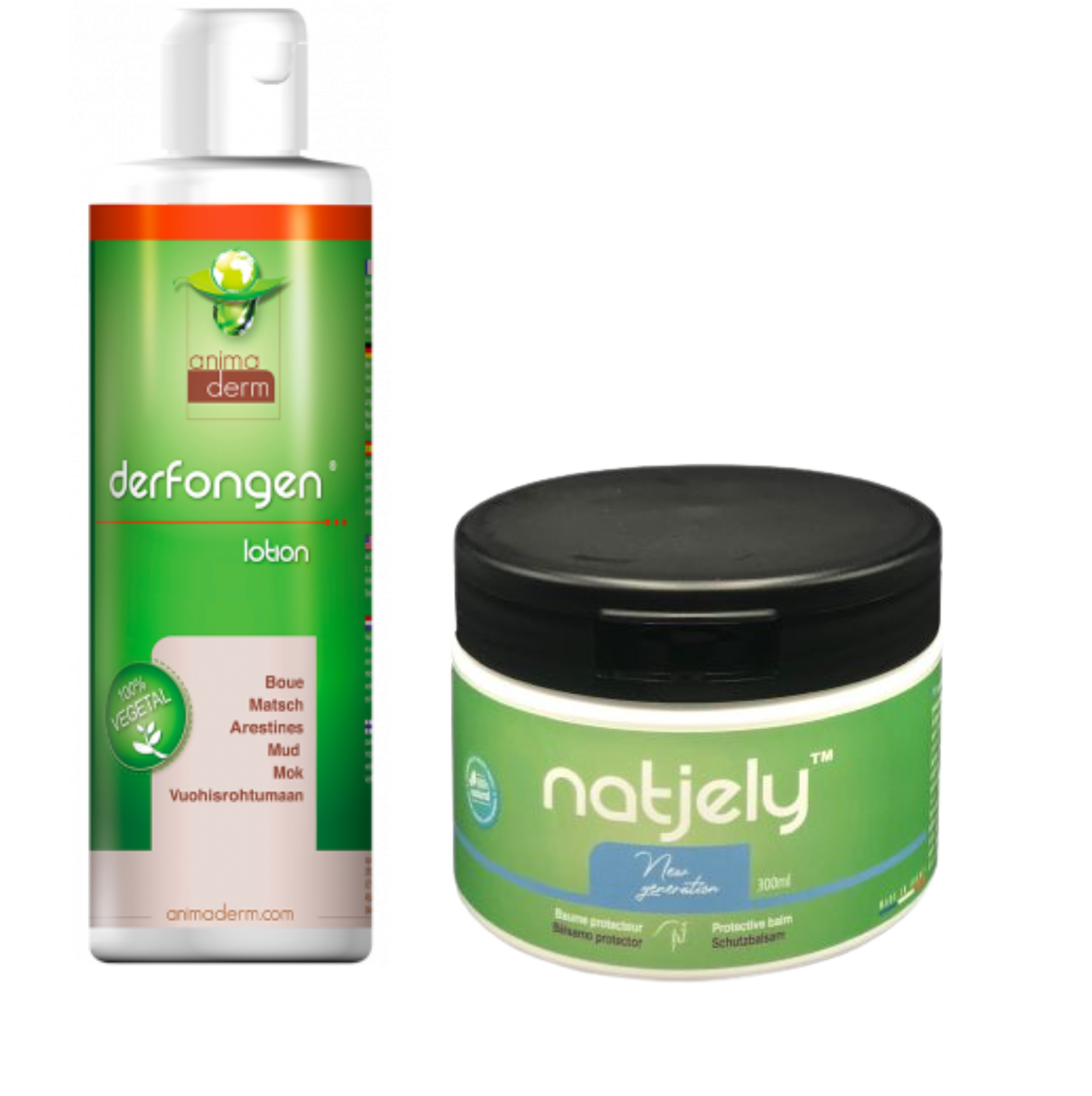
- DERFONGEN is an effective soothing lotion for the treatment and prevention of this problem.
- NATJELY is a 100% vegetable vaseline that hydrates and regenerates the skin, allowing the pores to breathe and accelerating the healing process.
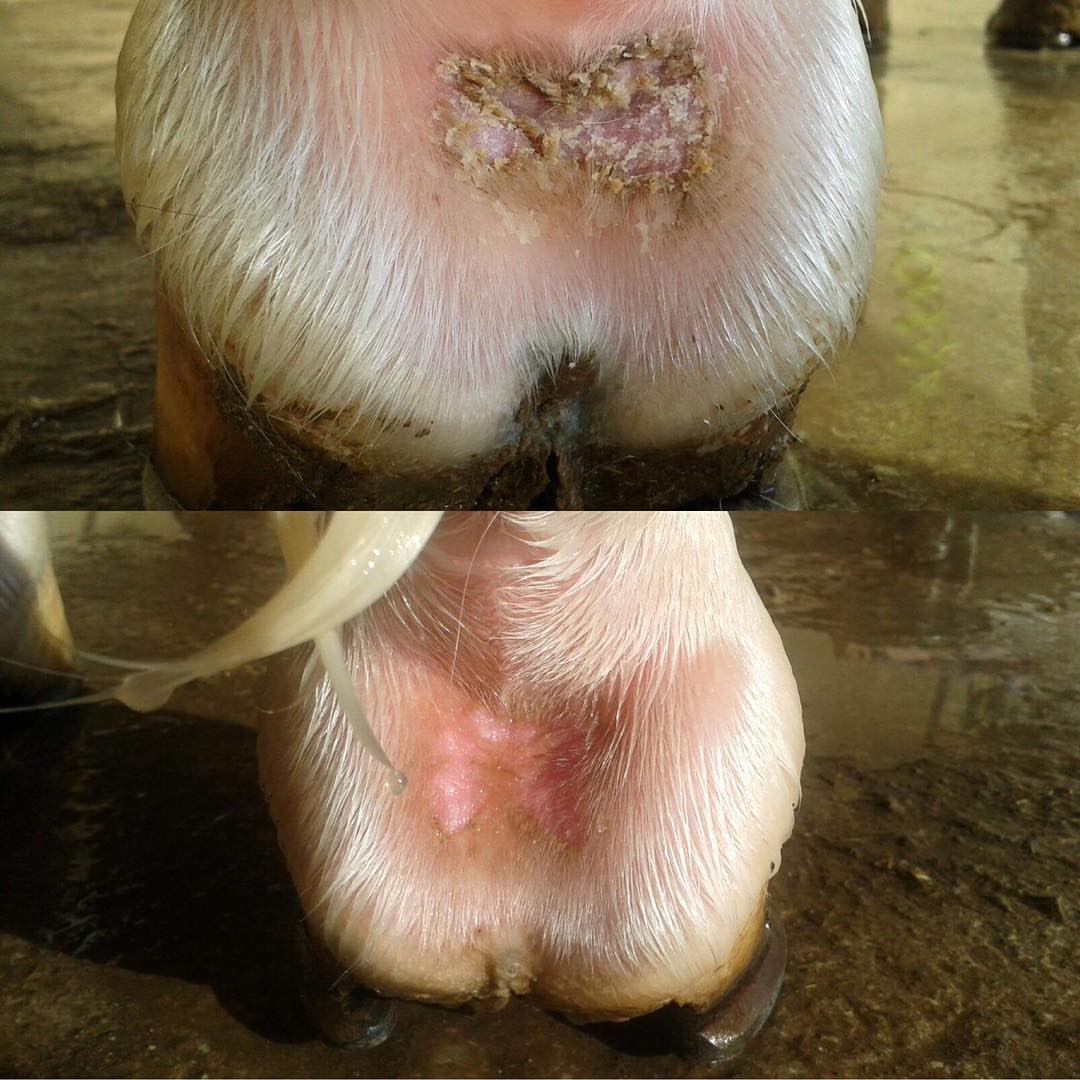
However, in winter, it is sometimes complicated to avoid this problem. In these cases, it is important to minimize contact with mud, water, and dirt in general. Also, providing adequate treatment can be useful to improve and heal the symptoms.
PODODERMATITIS OR "FROG ROT"
Pododermatitis or "frog rot" is actually the most common hoof infection. It is an infection in the frog that we will easily locate because of the presence of black and smelly tissue.
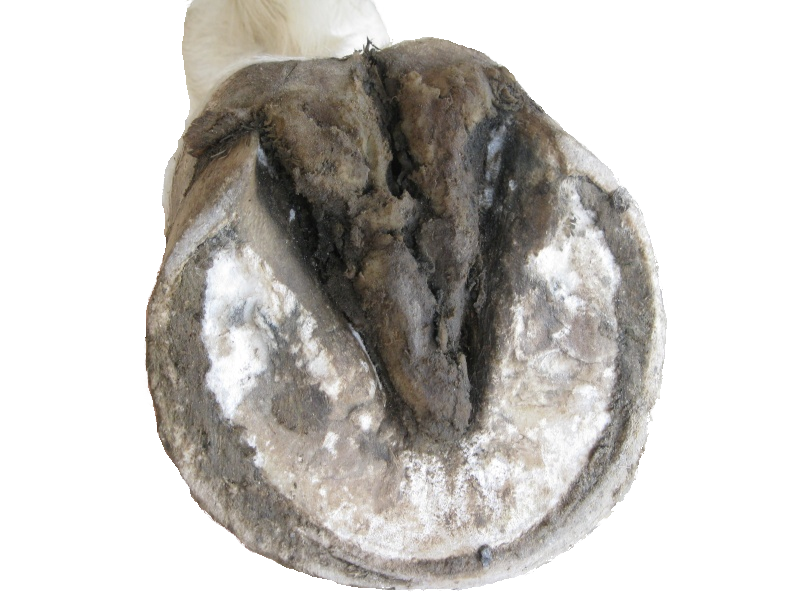
In winter, they tend to have a higher incidence due to the prolonged contact of the hooves with the mud. Factors such as lack of care and cleaning of the hooves, a lack of movement (as in the case of stabled horses), a box that is not cleaned regularly, defective shoeing, or a small cut may be some of the causes of the introduction of bacteria into the hoof, which multiply better in the absence of light, oxygen, and humid environments.
Cleaning the horse's hooves at least once a day and exercising him can help prevent or eliminate frog rot. However, it is also important to avoid, as far as possible, dirty and humid environments.
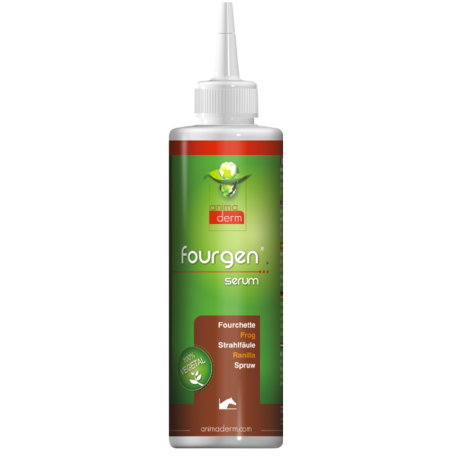
FOURGEN is a 100% natural liquid antiseptic, antifungal, antibacterial and water repellent, specially formulated to treat rotten, soft, or infected frogs. It is recommended to apply it to the central groove once a day until improvement occurs.
SOFT HOOVES
The horse's hooves are essential, and it is very important to keep them in good condition. One of the most important parts of the hoof is composed of 40% water, carbon, oxygen, nitrogen, hydrogen and sulfur. The amount of water and lipids that compose it has a direct connection with the elasticity of the hoof; if it dries out too much, this part of the hoof can become atrophied, causing a break. However, a too-soft hoof can also lead to serious problems.
Therefore, although keeping the hooves well hydrated is important, it is important to avoid, as far as possible, letting our horse spend a long time immersed in mud, dampness, and/or dirty places in order to have healthy hooves. Exercising frequently is also important to maintain the normal biomechanics of the hooves' structure.
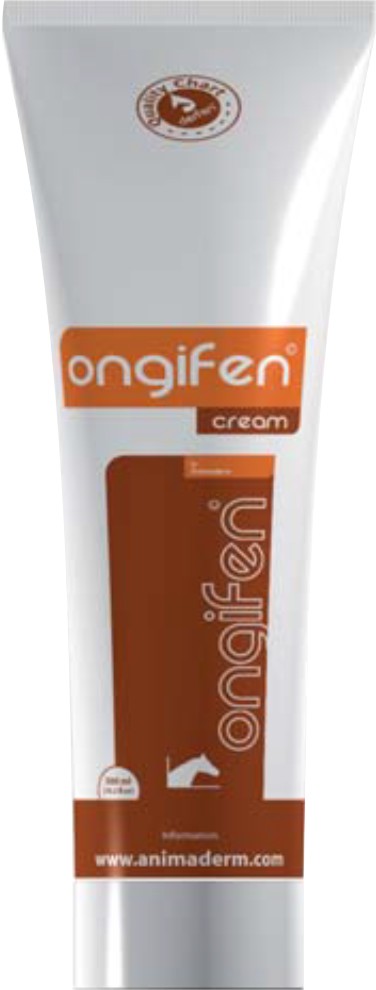
ONGIFEN is a hardening cream for soft hooves that protects the frog and the hoof from dampness, forming, at the same time, a protective film from external dampness and maintaining the natural hydration of the hoof.
In addition to an adequate topical treatment, we can always improve the general condition of the skin orally.

DERMATIN contains a high concentration of MSM, NATURAL ANTIOXIDANTS, C VITAMIN and ZINC and a special combination of herbs that accelerate dermis repair.
INDICATIONS:
- Allergic skin reactions due to dampness and mud.
- Acceleration in the repair of the dermis.
- Perfect healing of the skin.
