

The joints: the key to the horse's movement
Mardi 05 Novembre 2019Below, we want to go deeper and explain the reason for the numerous injuries to the musculoskeletal system of horses and the measures we can take to prevent and/or reduce them. But before we can talk about the main joint supplements, we must understand the structure and functionality of the joints, since a joint injury can range from a slight and temporary inflammation to a degenerative problem that can end the horse's sporting career.
Structure and functionality
A joint is the group of elements or tissues through which two or more bones are joined together. In these, the different movements take place and make the skeleton a mobile assembly that fulfills a multitude of functions, such as:
- Minimize the forces of friction between bones and provide a wide range of motion to each member and the spine.
- Stabilize the skeletal structures during the support phase, when the horse bears all its weight on its limbs.
If we classify them morphologically, we find fibrous, cartilaginous and synovial joints.
However, it must be noted that the synovial joints are the most active and therefore more susceptible to injuries. In this type of joint, the ends of the articulating bones are covered by articular cartilage.
However, it must be noted that the synovial joints are the most active and therefore more susceptible to injuries. In this type of joint, the ends of the articulating bones are covered by articular cartilage.
- Synovial joints:
The synovial joints of horses are composed of various structures such as joint cartilage, synovial membrane, ligaments, tendons, joint capsule and synovial bursa.
The joint cartilage is mainly composed of water (70% to 80%), collagen fibers, proteoglycans and chondrocytes, the cells responsible for maintaining the cartilage. Each component has its own function: collagen fibers form structures that resist tensile forces; the arrangement of proteoglycans allows compression loads to be cushioned, absorbing shocks and transmitting loads from one bone to another; and chondrocytes are in charge of synthesizing cartilage.
Joint stability is maintained by the fibrous layer of the joint capsule that attaches the bones and collateral ligaments found on either side of most joints.
In addition, the joint capsule contains an inner lining layer called the synovial membrane, which secretes the synovial liquid that lubricates the interior of the joint.
The joint cartilage is mainly composed of water (70% to 80%), collagen fibers, proteoglycans and chondrocytes, the cells responsible for maintaining the cartilage. Each component has its own function: collagen fibers form structures that resist tensile forces; the arrangement of proteoglycans allows compression loads to be cushioned, absorbing shocks and transmitting loads from one bone to another; and chondrocytes are in charge of synthesizing cartilage.
Joint stability is maintained by the fibrous layer of the joint capsule that attaches the bones and collateral ligaments found on either side of most joints.
In addition, the joint capsule contains an inner lining layer called the synovial membrane, which secretes the synovial liquid that lubricates the interior of the joint.
- Functionality:
The cartilage areas that receive the most stress are those with the highest content of proteoglycans and are more rigid than those around them. When receiving a compressive load, cartilage deforms in an elastic manner, releasing water and forcing it into the uncompressed peripheral cartilage.
When the limb reduces the weight load, the pressure disappears, and the cartilage rehydrates and expands thanks to the contribution of the synovial fluid. It is worth noting the importance of the constant exchange of synovial fluid in and out in order to maintain a healthy metabolism and nutrition of the articular cartilage and, consequently, strong and healthy joints.
These principles help to understand why it is important for the horse to be mobile in order to establish and maintain normal, healthy joint function. The metabolism of the cartilage and its integrity depend on repeated loads on the joints; in turn, these are achieved with walks and playing. Stabled and confined horses are at increased risk of degenerative joint disease, in part because of this lack of movement.
When the limb reduces the weight load, the pressure disappears, and the cartilage rehydrates and expands thanks to the contribution of the synovial fluid. It is worth noting the importance of the constant exchange of synovial fluid in and out in order to maintain a healthy metabolism and nutrition of the articular cartilage and, consequently, strong and healthy joints.
These principles help to understand why it is important for the horse to be mobile in order to establish and maintain normal, healthy joint function. The metabolism of the cartilage and its integrity depend on repeated loads on the joints; in turn, these are achieved with walks and playing. Stabled and confined horses are at increased risk of degenerative joint disease, in part because of this lack of movement.
Exercise and joints
Moderate exercise (trotting and cantering) in both young and adult horses causes a phenomenon known as enhanced cyclic loading. This increases the proteoglycan content of the cartilage, increasing its rigidity and resistance. Higher limb loading means more articular cartilage surface area is brought into play to spread stress across the joint.
However, excessively strenuous exercise can cause wear or even tears when the stress of exercise exceeds the cartilage's ability to adapt. Hence, unfortunately, almost all elite equine athletes have some degree of joint degeneration.
Joints and age
Skeletal maturity and age are very important for the development of the horse's ability to support the compressive load necessary for exercise.
By the age of two, the growth plates of the joints of the extremities close, and the cartilage stops growing. However, up to six or seven years of age there may be small remodeling, and although light mounting between three and five years of age can be adequate due to the development of the cardiovascular and muscular systems, long routes and arduous exercise are not recommended in animals at these early ages.
Unfortunately, it is known that with exercise and aging, degenerative changes occur in the joints. These are mainly characterized by a loss of cells responsible for producing cartilage and a lower production of hyaluronic acid.
Inflammation
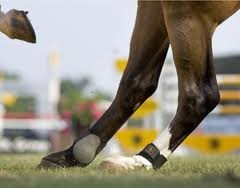
The horse's joints, tendons, ligaments and musculature are constantly subjected to tension forces. If the demand of exercise exceeds the body's ability to adapt and regenerate, an inflammatory tissue response is triggered that is sometimes imperceptible. If this is not resolved, the enzymes and other agents that coat the joint are released, destroying the joint tissue, especially the cartilage. In situations like these, the body responds to this rupture by limiting the movement of the joints through their ossification and causing pain that is difficult to treat.
Once the trauma is established, joint inflammation must first be avoided by using an adequate warm-up and cooling time and by stopping the physiological mechanism of inflammation.

INFLAMAX is a powerful natural anti-inflammatory that stimulates blood circulation and reduces the increase in temperature in the injured area. Is formulated with Harpagophytum procumbens, an ingredient known to reduce pain, and molecules similar to Non-Steroidal Anti-Inflammatory Drugs (NSAIDs).

COMFORT is a new, natural, and effective anti-inflammatory that relieves pain in joints and muscles without side effects. Formulated with a blend of natural ingredients: MSM, turmeric, ginger, dandelion leaves, and black pepper, it is ideal for competitions since it does not contain doping.
Chondroprotectors
Joint injuries can quickly end a performance horse's career. There are no definitive statistics on the number of horses in the world that suffer from this type of injury, but the number is considerable. In the current market, there are no drugs or therapeutic substances capable of curing joint problems; however, there are nutritional supplements capable of preventing and, if the lesion is established, helping in the healing process.
Joint supplements reduce inflammation, increase mobility, and improve overall joint health. Mostly, they are administered to young and athletic horses to preserve their joints and keep them free from injuries, although administration to older horses has now increased to try to extend the horse's useful life as much as possible.
Chondroprotective agents are the most popular supplements in the horse world. These provide precursor molecules with an antiinflammatory effect and inhibitors of the cartilage-destroying enzymes necessary for the synthesis and preservation of articular cartilage. A good chondroprotector must contain glucosamine, chondroitin sulfate, hyaluronic acid and methylsulfonylmethane (MSM) as its main ingredients.
- Hyaluronic acid:
Hyaluronic acid is the main component of synovial fluid. Its main function is to lubricate the joint, avoiding friction between bones, protecting the surface of the articular cartilage, and improving movement and joint function.
When there is too high an impact on a joint, synovial fluid is extruded, so the sum of impacts leads to a slow but progressive loss of this fluid.
When there is an injury, inflammation and damage reduce the normal supply of hyaluronic acid, just as older animals are less and less capable of replacing it.
It appears that oral administration of hyaluronic acid has a cumulative and beneficial effect on the joints. However, a high amount is required since not all hyaluronic acid is fully bioavailable.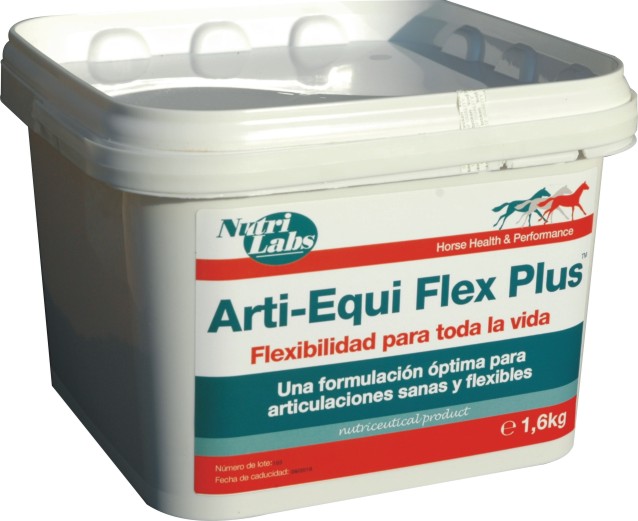
ARTI EQUIFLEX PLUS is unique due to its high concentration of hyaluronic acid. With 88 grams/kg it achieves ideal absorption and bioavailability via the oral route, which makes the joint receive the necessary contribution to nourish itself and recover. In addition, its administration DOES NOT GIVE POSITIVE IN DOPING CONTROLS.
- Glucosamine:
Glucosamine is used to produce a variety of substances involved in the formation of tendons, ligaments, cartilage, and liquid (which surrounds joints).
As we have already mentioned, the movement of the joint is cushioned by liquid and cartilage. In horses with joint problems, the cartilage breaks down and thins, which often leads to lameness.
The body manufactures glucosamine with glucose and aminoacids, but when the demand increases, it must turn to chondrocytes (cells responsible for maintaining and rebuilding the cartilage) that can obtain it directly from the systemic circulation. Glucosamine has been found to be equally effective whether it is generated by the body itself or ingested; therefore, supplementing the diet with it can increase the amount of cartilage and fluid surrounding the joint and thus, in this way, prevent its deterioration.
As we have already mentioned, the movement of the joint is cushioned by liquid and cartilage. In horses with joint problems, the cartilage breaks down and thins, which often leads to lameness.
The body manufactures glucosamine with glucose and aminoacids, but when the demand increases, it must turn to chondrocytes (cells responsible for maintaining and rebuilding the cartilage) that can obtain it directly from the systemic circulation. Glucosamine has been found to be equally effective whether it is generated by the body itself or ingested; therefore, supplementing the diet with it can increase the amount of cartilage and fluid surrounding the joint and thus, in this way, prevent its deterioration.
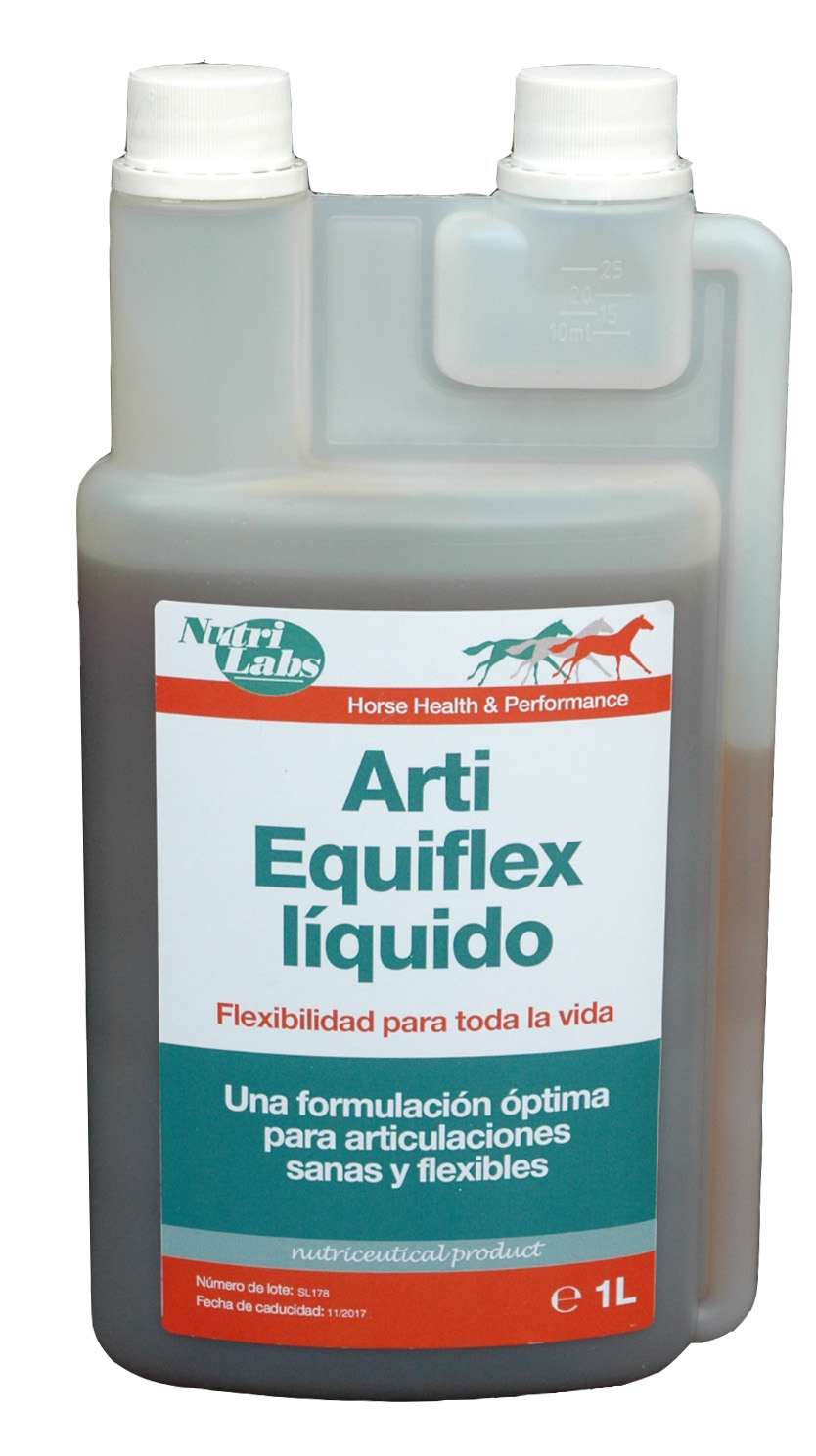
ARTI EQUIFLEX LIQUID is ideal to achieve maximum absorption in the intestine. Contains the four key ingredients and natural antioxidants that guarantee joint support, fast and effective nutritional help for the cartilage and the joints. In addition, it contains ingredients that reduce inflammation and pain from joint problems. Plus, its administration DOES NOT GIVE POSITIVE IN DOPING CONTROLS.
- Chondroitin sulfate:
Chondroitin sulfate is the predominant glycosaminoglycan in adult articular cartilage and has the ability to hinder the action of enzymes that can destroy the cartilage. Chondroitin sulfate, marketed as a supplement, is used in combination with glucosamine, which helps break it down to obtain the most active byproducts.
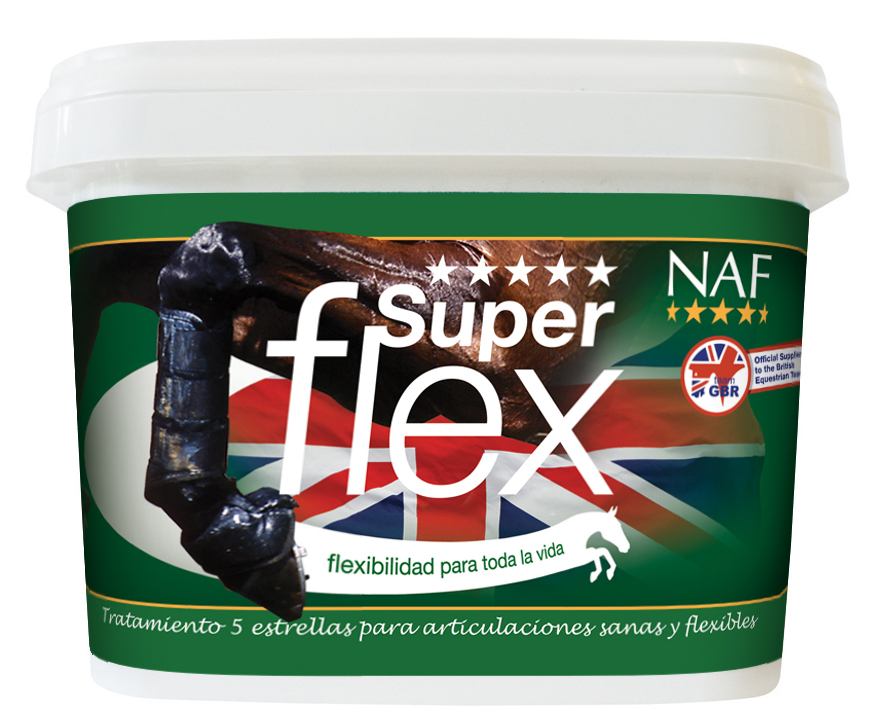
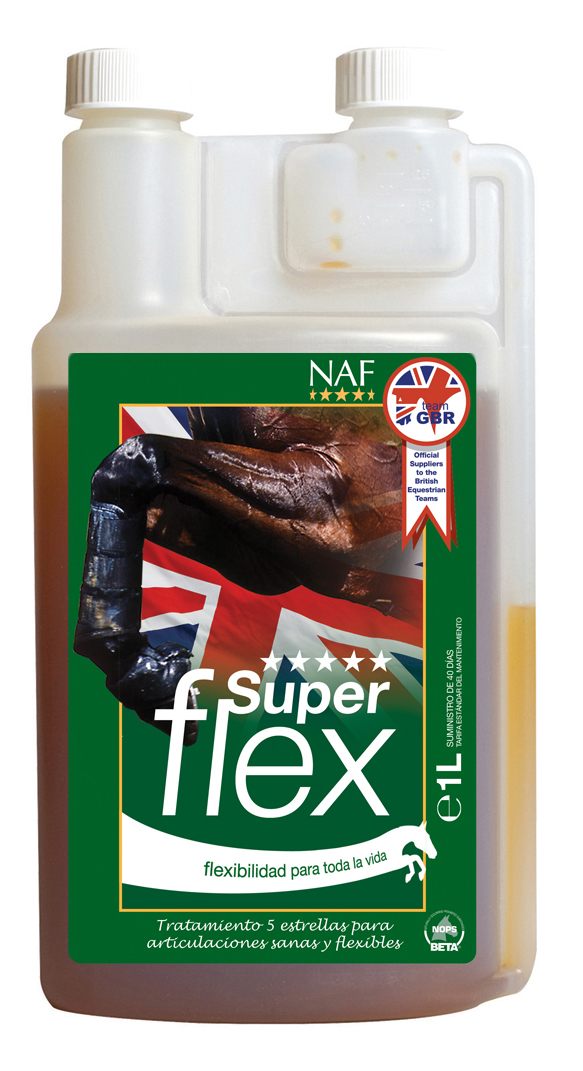
SUPERFLEX is an excellent chondroprotector to start preserving joint health at a young age. With a good quality-price ratio, it is ideal for long-term treatments and maintenance.
- Methylsulfonylmethane (MSM):
Methylsulfonylmethane (MSM) is an organic sulfur compound, also known as methylsulfone or dimethylsulfone, which occurs naturally in the foods of all vertebrates.
The importance of consuming supplements that contain this substance is due to the fact that its degree of assimilation may vary between different sources and may not even cover the body's requirements. Also, sometimes the amount of sulfur can decrease during food processing. Scientific evidence indicates that sulfur can be necessary for the formation and maintenance of connective tissue and to lubricate joints. This helps to reconstitute the sulfur concentration, promoting wound healing and the regeneration of articular cartilage.
The importance of consuming supplements that contain this substance is due to the fact that its degree of assimilation may vary between different sources and may not even cover the body's requirements. Also, sometimes the amount of sulfur can decrease during food processing. Scientific evidence indicates that sulfur can be necessary for the formation and maintenance of connective tissue and to lubricate joints. This helps to reconstitute the sulfur concentration, promoting wound healing and the regeneration of articular cartilage.

MSM PURE contains MethylSulfonylMethane (M.S.M.), the most bioavailable form of pure sulfur. This has numerous functions, such as providing flexibility and elasticity to connective tissue and combating chronic pain, among others. Without a doubt, it is an extraordinary product developed in a completely natural way that is respectful of the horse's health.
In short, the improvement of joint mobility in adult horses, cartilage repair in periods of maximum musculoskeletal stress, increased viscosity and amount of synovial fluid, protection, and correct functionality are possible thanks to the combination of a correct nutritional contribution and respectful, adequate training attached to the needs of our friend and companion, the horse.
