
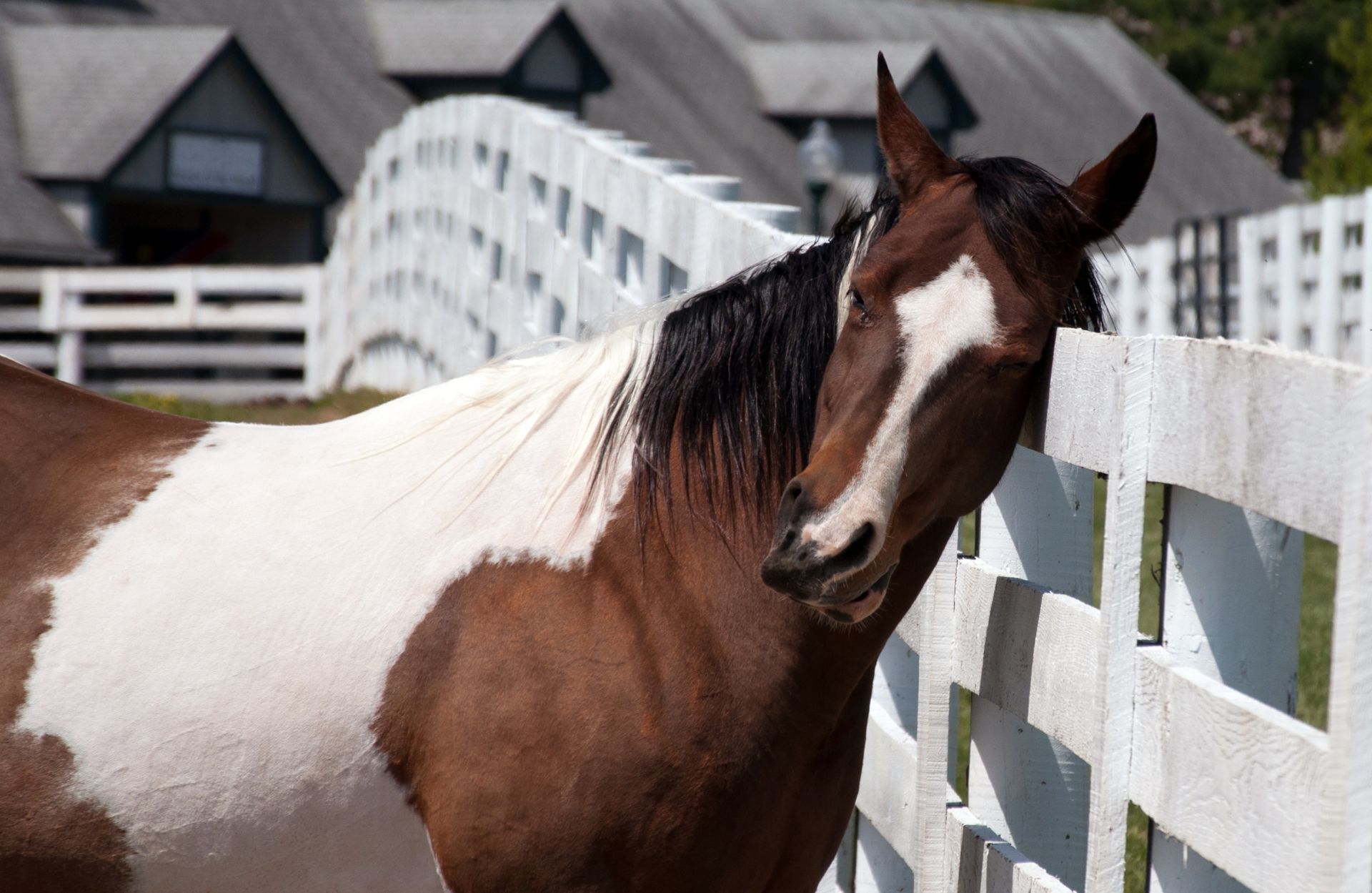
Why is my horse scratching?
Mercredi 02 Mai 2018
Itchy skin in horses can be caused by a large number of factors, external or internal, and can appear at any time of the year. We begin by discussing some of the possible causes:
- Sweat:
After work or staying in the sun, the skin sweats. Along with dust, sweat can cause itch. Brushing is largely enough to soothe itchiness, along with a shower if necessary.

We recommend washing the horse with gentle shampoos that are respectful with the horse's skin, such as DERFEN SHAMPOO: an extremely mild shampoo to soothe, purify and restore the physiological balance of damaged skin that is prone to itching.
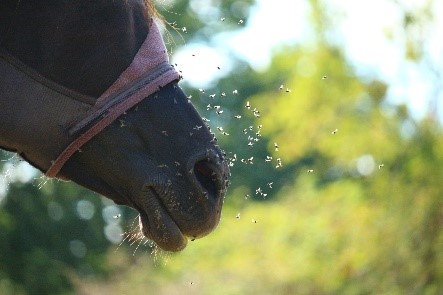
- Insects:
They are very numerous and appear during the rise of temperature (in spring in general, when they hatch from the larvae). Some only appear during the warmer seasons (summer) and others when the temperatures are milder but with high humidity in the environment. They are all more or less responsible for itchy skin, especially due to allergic reactions (Culicoides stomox, black fly...) but it can also be due to a single flie (horseflies).

- Parasitism and fungus:
They are found at any time and are responsible for many skin problems. The cause of its appearance is mainly the humidity, along with a poor condition of the horse. They often appear in autumn/winter and can last all year, even in summer. It is important to keep their spaces clean (of manure, urine...) to avoid the proliferation of parasites and insects.
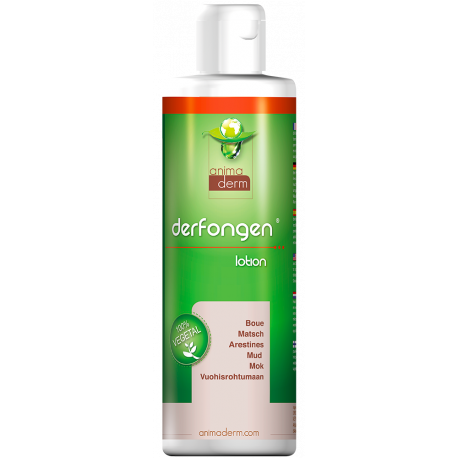
DERFONGEN is a soothing lotion with antifungal, antibacterial and acaricidal properties. It forms an insulating film that protects the area from moisture and maintains the skin's natural hydration. Indicated for fungus, chorioptic mange, eczema and scabs. Its application is recommended together with Natjely for greater effectiveness and a proper skin hydration.
- Food:
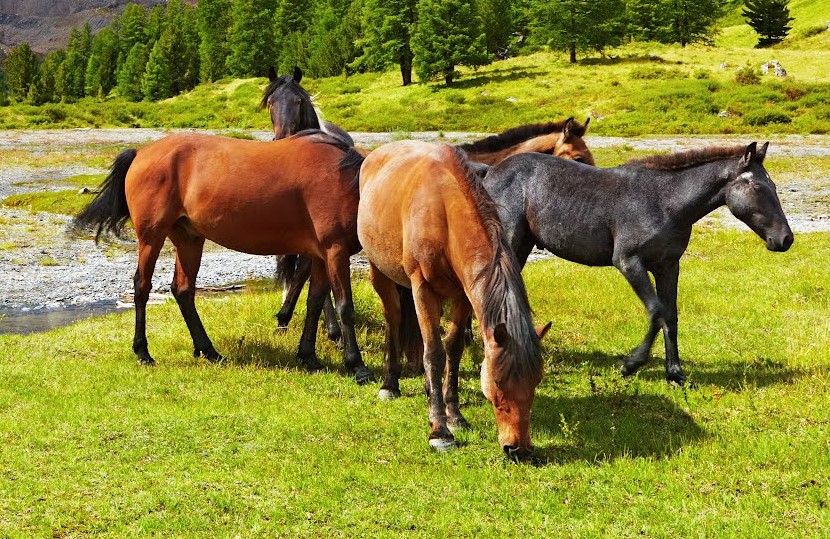
Internal disorder always results in external manifestations and often skin problems. This is as true for horses as it is for humans. A diet that is too rich or poor in quality, poor diet or excess of grass are sources of nutritional deficiencies but also of photosensitivity, itching or skin problems.
- The sun:
We all need it, horses too. But associated with certain plants ingested by the animal or aften the application of certain products, photosensitivity can cause different degrees of dermatitis.
- The psychological state of the equine animal can also influence the appearance of dermatitis:
Stress, being bored or long hours alone, are "psychosomatic" factors that can sometimes be detected in horses. Important changes such as injuries, a change of location, the loss of a companion, a sudden change in diet, a change in activity... can affect the well-being of the horse and weaken his immune system, facilitating the appearance of problems, including allergies.
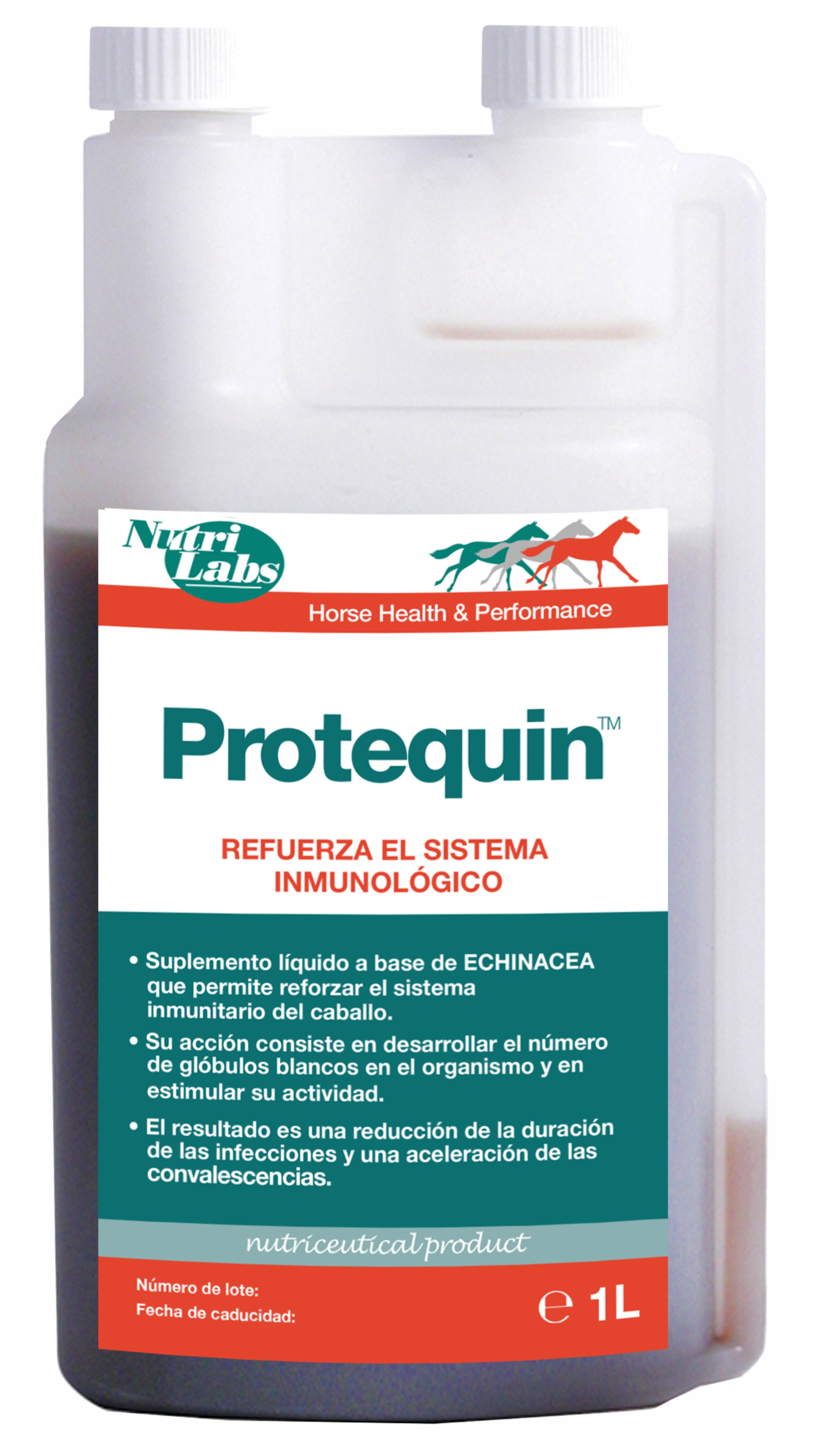
PROTEQUIN is a liquid supplement formulated with Echinacea, with excellent immunostimulant properties, that contains the ideal mixture for an immune and antioxidant system in optimal conditions. Indicated for horses in competition or intense training, in stressful situations, to fight off winter or to strengthen the health of the horse at any time of the year.
All of these different factors accumulate more frequently in horses with dermatitis. To see if there is a specific trigger, they must be modified one by one, slowly and rigorously. For example, change the diet gradually and wait 2 or 3 weeks to evaluate the change. Next, the same with the other possible factors, until seeing if the horse improves with any of the changes.
And if the horse has equine summer dermatitis, how can we act?
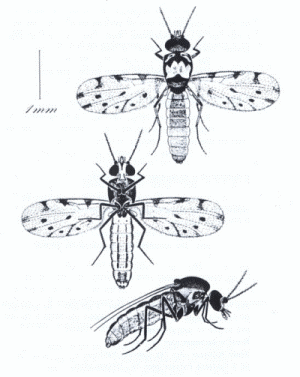
There are several types of dermatitis (to food, aeroallergens, by contact with topical products...) but the most common is that caused by hypersensitivity to insect bites, specifically Culicoides.
Equine summer dermatitis is a type of allergy, and as we know, allergies cannot be cured, but they can be relieved. Depending on the country where the animal lives, it can affect up to 30% of horses. It is estimated that today one in ten horses suffer from a skin problem, with exponential growth.
In general, summer dermatitis appears for the first time in horses from 2 to 6 years and worsens with age, being an allergic horse, allergic for life. There is no predisposition related with the coat color or sex, and all breeds are susceptible to it. However, there is a certain genetic predisposition.
The key is in prevention
Once we know that we have a horse with an allergy, and that it will surely be with him for life, the most effective measure is to prevent its development before spring and relieve its symptoms as soon as it appears.
- Avoid contact with insects:
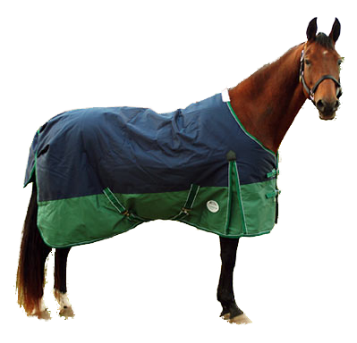
The best approach is to limit the exposure of susceptible horses to mosquitoes by stabling them during the hours when the insects are most active (daybreak and nightfall). Protecting the stables with mosquito nets or other mechanical barriers against mosquitoes is a great help, as are special blankets against insects that prevent contact with the horse. We must also try to eliminate the areas where insects lay in the immediate environment of the horse, such as areas with stagnant water, manure and excrement, and make sure that the troughs are clean by changing the water regularly.
- Prepare the immune system of the horse:
If the horse suffered equine summer dermatitis last summer, a preventive treatment is recommended to strengthen the immune system and ensure that the allergy does not appear so violently.

PICOREX eliminates toxins derived from diet and insect bites that can stimulate the immune system of the horse, reducing the probability that an allergic response will develop.
If the horse suffered from dermatitis last summer, a prevention treatment is recommended starting 1 month before entering the critical period of the action of the Culicoides, administering 26g/day.
If he already has itching, it is recommended to administer 52g/day of Picorex for a minimum of 45 days.
The more amount of stimulus, in this case mosquito bites, the more the horse reacts, and once the response threshold is passed, the allergy develops. In the case of supplementation with Picorex, the allergens do not accumulate in the body, so it will be more difficult or the threshold that will trigger the allergy will not be crossed.
- Use skin-friendly repellents:
It is better to choose repellents and products without water, since you do not have to apply it so often because they do not evaporate, without chemicals, since they irritate the skin and end up reaching the blood, and without photosensitizer. And option that can help us is the contribution of garlic, a natural insect repellent.
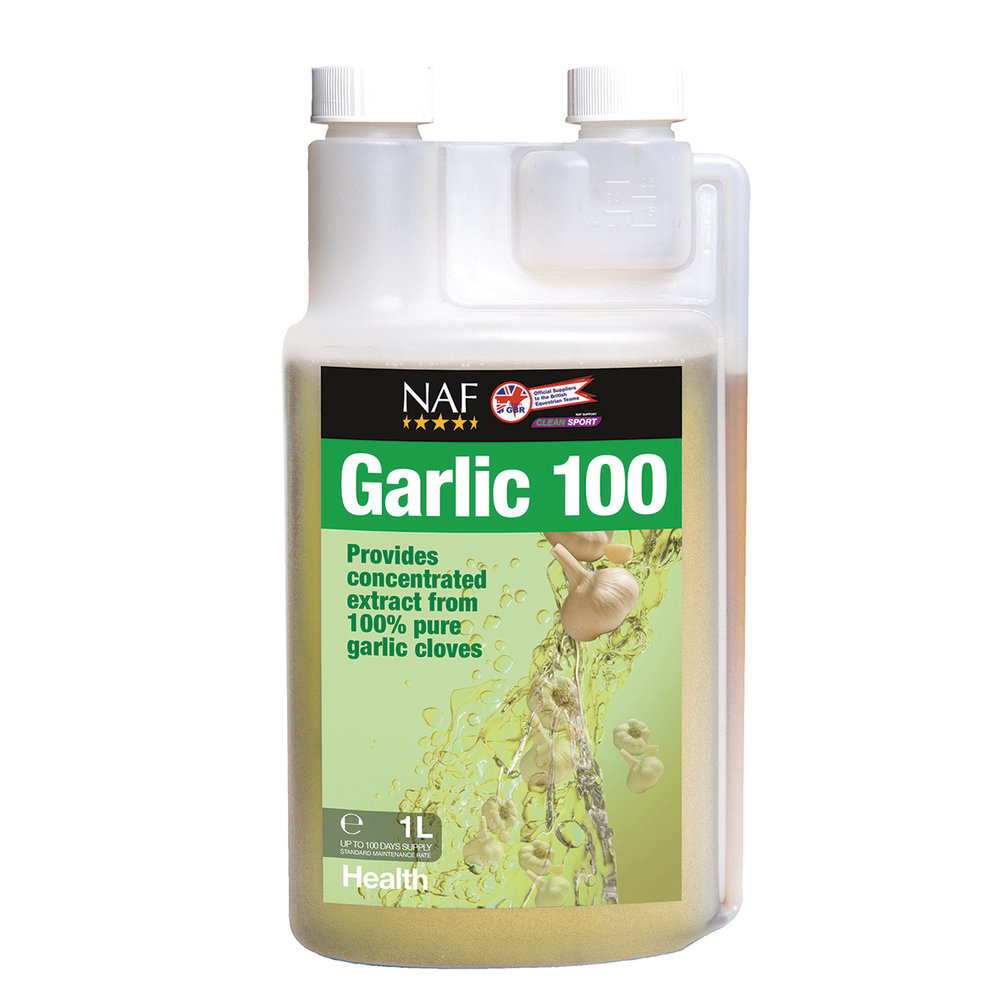
Formulated with concentrated extract of pure garlic, GARLIC LIQUID provides all the benefits of garlic in an economical and easy-to-administer format. Also contains sulfur, capable of reducing the horse's internal parasite load and purifying the blood. Recommended dose: 30ml/day.

DERFLY is a 100% natural repellent, effective against all types of insects: flies, mosquitoes, horseflies, ticks... It works in two days:
1. It masks the horse's odor by providing a non-attractive odor for the insect.
2. Covers te coat with a microwax that does not allow the insect to remain in the animal's hair or bite.
Also, moisturizes the skin, is water-resistant and protects from UV rays.
- Be cautious with the administration of corticosteroids:
Specific corticosteroid treatments may temporarily relief symptoms, but the metabolic risks associated with their use can be significant and should be considered with caution. Always consult your veterinarian to offer the best treatment for your horse.
- Soothe itching when it appears:
In the event that the first itching appears, soothe them as soon as possible to prevent the appearance of wounds and hair loss from the mane and tail.
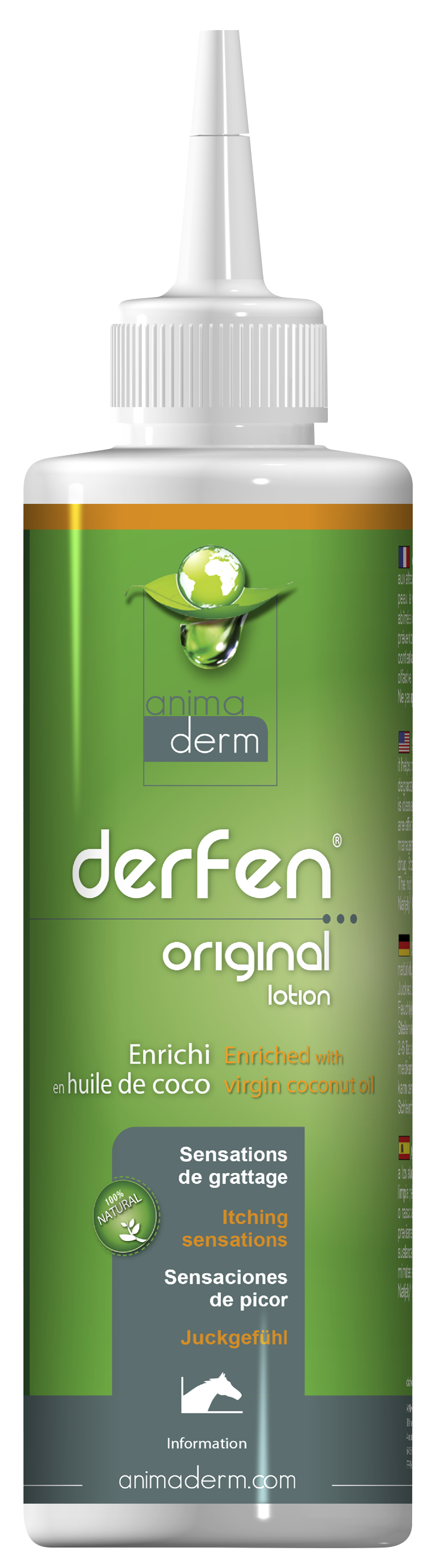
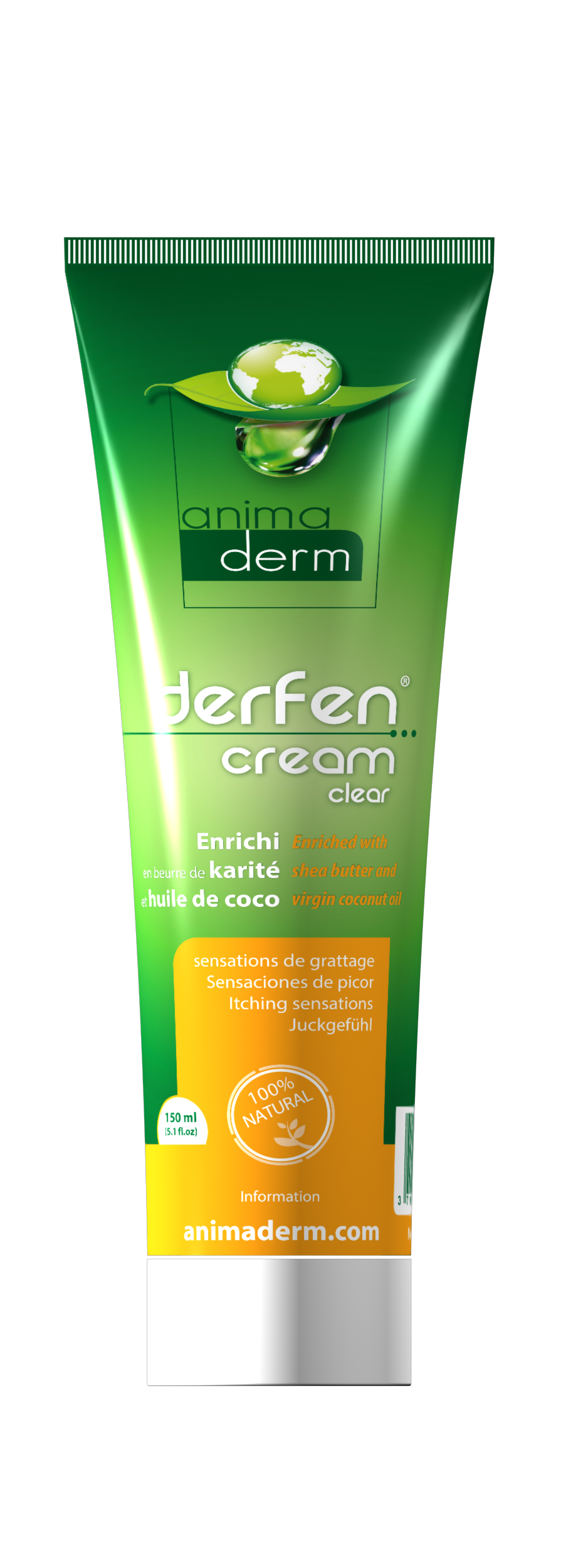
Apply topically DERFEN: it is a 100% natural lotion that provides effective, immediate and long-lasting relief from itching. Its formula in lotion or cream acts on each type of skin allergy and restores the natural skin's natural defense. The plant active ingredients it contains act synergistically to soothe inflammation, regenerate damaged skin and promote hair growth.
Although dermatitis, for the moment, does not have a definitive cure, we have seen that with proper management and treatment, we can help relief symptoms and significantly improve the quality of life of our horse.
