

Winter: challenging equine health
Vendredi 07 Février 2020Horses are robust animals; however, in these winter months, we have to pay attention. Low temperatures, strong winds, rain, snow, ice and all the inclemencies of the weather contribute to the appearance of typical pathologies of this season. Below, we intend to deepen and explain the most important problems that appear in this period.
THE IMMUNE SYSTEM OF HORSES IN WINTER
In horses, as in humans, the immune system protects against pathogens that can be harmful to their health. The immune system has several strategies: it forms a first line of defense made up of the skin and the upper respiratory system to prevent the direct entry of these pathogens into the body. It also has more developed mechanisms to fight against pathogens that have managed to enter the interior of the body.
The latter are made up of defensive cells that circulate in the blood and alert the immune system to produce specific antibodies against the pathogen.
If the immune system does not work properly, it will fail to produce defensive cells, and therefore the disease will develop.
If we want to keep the horse healthy and at full performance, we must keep his immunity at an optimal level, and this will only be achieved by ensuring an adequate supply of white blood cells, which are the cells that are responsible for the immune system. Its number in the blood is relatively stable in normal conditions, but it can suffer a rapid and dramatic alteration in response to physiological changes, disease or drug administration.
A weak immune system affects the well-being and, therefore, the performance of the horse. However, in addition to preserving its immune system, we must offer him healthy living conditions, avoiding as much as possible any factor that may stress him. Therefore, he should receive a proper and balanced diet, be protected from the cold, and be in a quiet and relaxed environment.
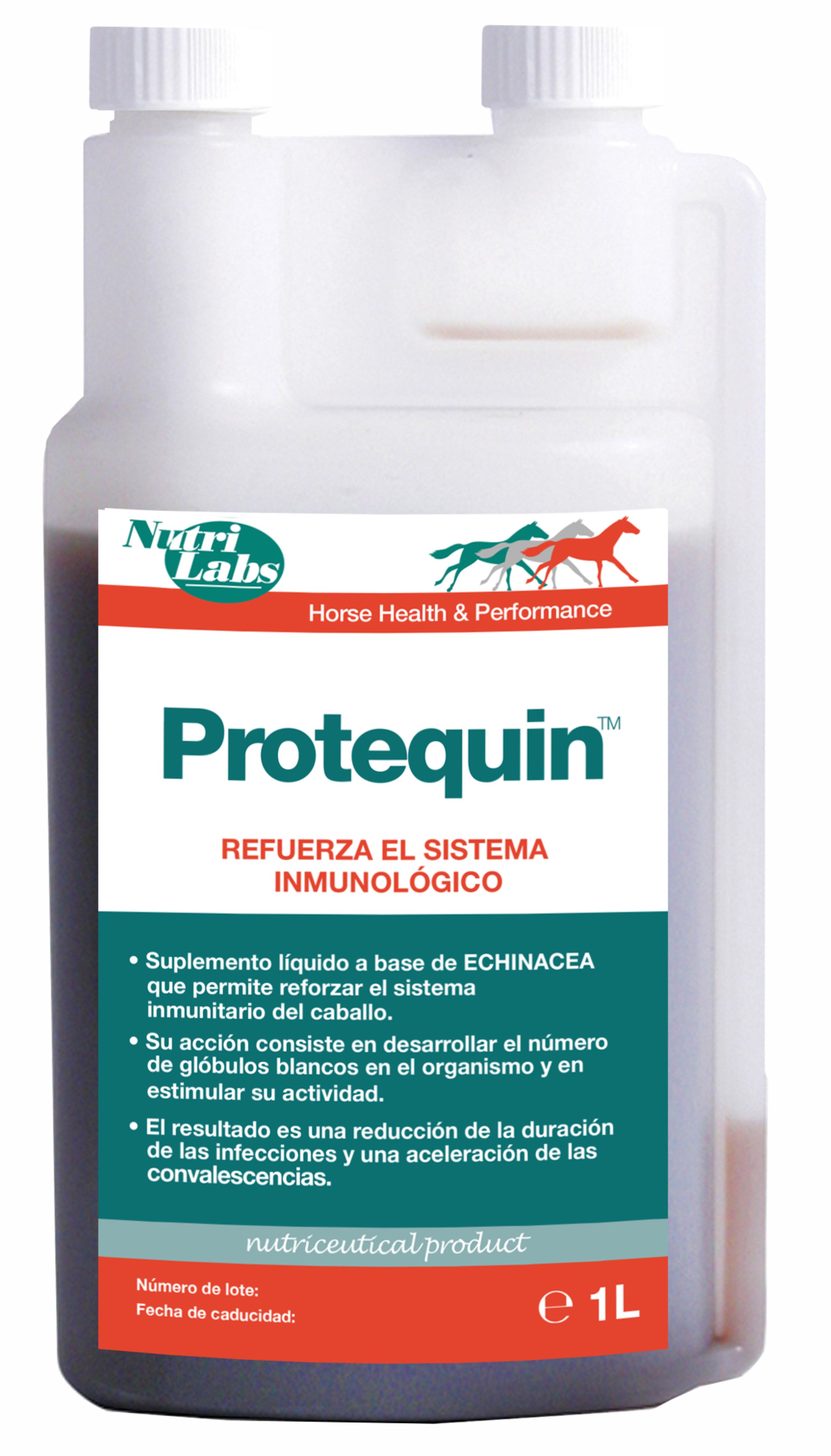
PROTEQUIN aims to restore the balance of the horse. Is formulated with three species of Echinacea, Urticaria tormentosa and other components rich in antioxidants, to offer nutritional support for the immune and hematological systems of the horse, in addition to helping him fight the winter and face periods of training and competition.
RESPIRATORY PROBLEMS
During the winter, horses confined to stables for longer periods of time are at risk of developing respiratory problems. Many stables have poor ventilation, especially when they are closed to keep them warm in the winter. Without proper ventilation, the humidity produced from breath, urine and manure saturates the air and condenses on cold surfaces.
The condensation described above creates a very humid environment, which can cause or aggravate respiratory problems since humidity, ammonia, and dust in an enclosed stable can be very harmful to respiratory health. In addition, the temperature changes between the stables and the fresh air outside also make winter a prime season for contracting respiratory diseases.
In winter, more frequently than during the rest of the year, the horse is very sensitive to bacteria and respiratory viruses. After lameness, respiratory problems are the most frequent cause of veterinary consultation, increasing even more in the winter.
Apart from symptoms such as coughing, mucus and respiratory distress, this causes a significant decrease in the horse's performance. If we add the fact that many horses are not properly immunized, their susceptibility to developing respiratory disorders will increase.
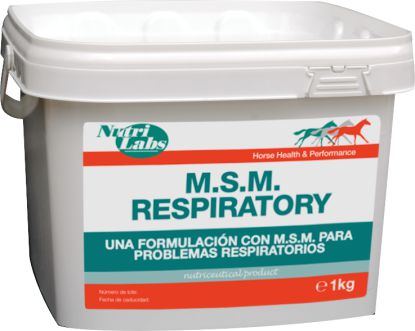
M.S.M. RESPIRATORY is an effective formula with M.S.M. + Ascorbic Acid + Hesperidin indicated for respiratory problems such as cough, colds, respiratory distress and airway obstruction. M.S.M. RESPIRATORY increases the circulation and the contribution of organic sulfur, which contributes to the reconstitution of the tissues of the respiratory tract and the cleaning of germs that can cause allergies.
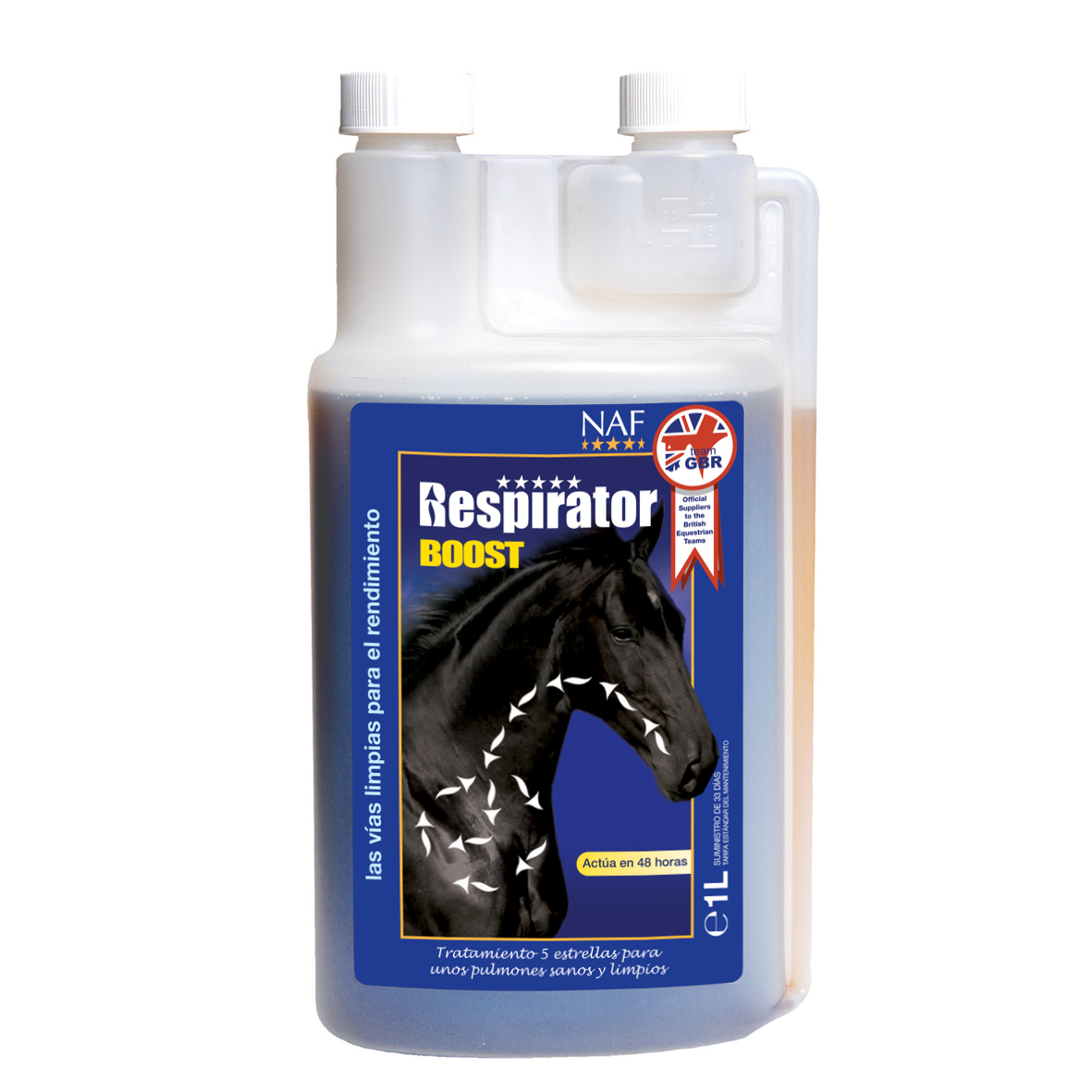
RESPIRATOR BOOST improves lung function by cleaning and expectorating the airways.
Provides fast and effective nutritional support for congested and weak airways. Enhances the respiratory system and improves lung capacity quickly and effectively. Ideal for competitions.
COLICS
During the winter, horses are more susceptible to suffering from colic. Suspicion generally begins because horses present a depressive state with diminished or absent intestinal sounds and dry or congested mucous membranes.
One of the most important causes is the reduction of water consumption. Horses that do not drink enough are at risk of developing colic. Therefore, it is important to control water consumption as much as possible. Having electric troughs that can be heated can be a good option to avoid excessive cooling of the water. However, even if automatic drinkers are not available, it is important to control the temperature of the water to be sure that the horse does not suffer any shock when drinking.
Exposure to wet and cold conditions, such as horses in sweaty blankets, can also increase the chances of suffering from colic. It is important to remember that the digestive systems of some horses have difficulties adapting to changes in diet, especially from summer to winter.
Although horses are already predisposed to suffer from colic, with the cold in winter, the incidence of colic increases. So, especially at this time of the year and regardless of the cause, it is important to keep the eyes wide open for any signs of digestive disorders as well as prevent potential colic triggers.

FLORYBOOST quickly covers the intestinal tract in cases of diarrhea or digestive disorders. Contains a special clay capable of covering the intestine walls and absorbing toxins and other aggressive agents. In addition, it contains the necessary electrolytes to make up the loss and restore balance again.
HORSES WITH WEIGHT LOSS
In winter, horses burn up to 15-20% more calories trying to maintain their body temperature. To help maintain it, it is recommended to increase the daily amount of hay by at least 3% of his body weight. This increase is very important because bacterial fermentation of fibrous foods generates a large amount of heat that will help maintain a more stable body temperature.
Increasing caloric intake with high-quality foods, such as hay and fodder, is highly beneficial for maintaining body condition. This is especially true with older horses that often require additional fat supplements for the extra energy cost to maintain their heat.
Do not forget that it is very important to observe the interactions of the horses when they are feeding in a herd. In this way, we can verify that each animal receives its corresponding share of food.
However, in some cases, even if we increase the amount of food, some animals, especially the older ones, may not gain weight or continue to lose weight. When we are in situations like this, it is important to discard other problems such as dental, parasitic or digestive.
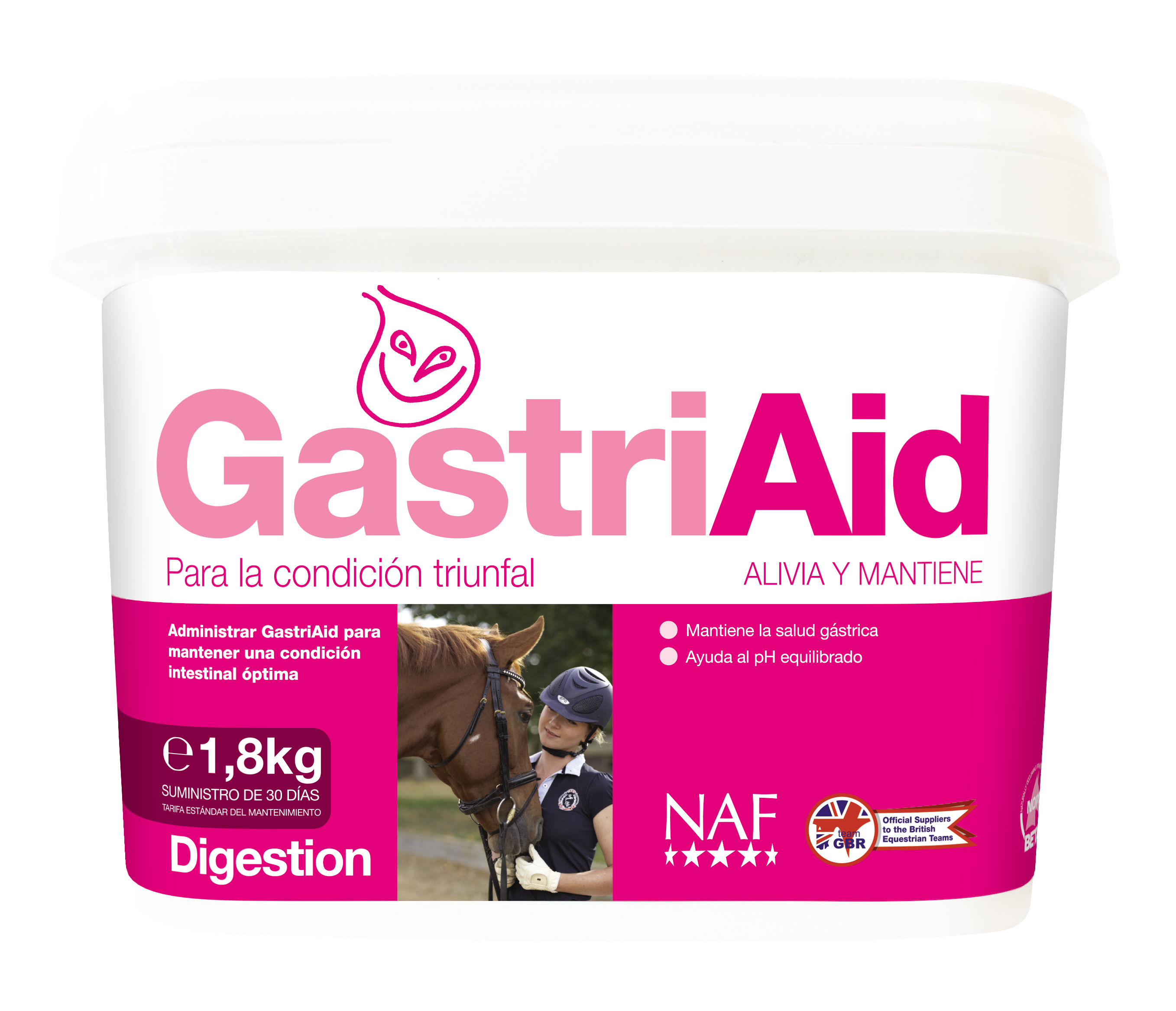
GASTRIAID is the best option to provide daily protection for gastric and digestive problems. Absorbs the excess acid, helps absorb fiber, and maintains the pH. Contains antiacids, prebiotics and probiotics that offer the maintenance and protection that the stomach needs. It is indicated for horses that do not gain weight, have diarrhea, or have symptoms or a history of ulcers.
If we do not find any health issues, we should think about supplementing our horses to avoid secondary problems due to weight loss.
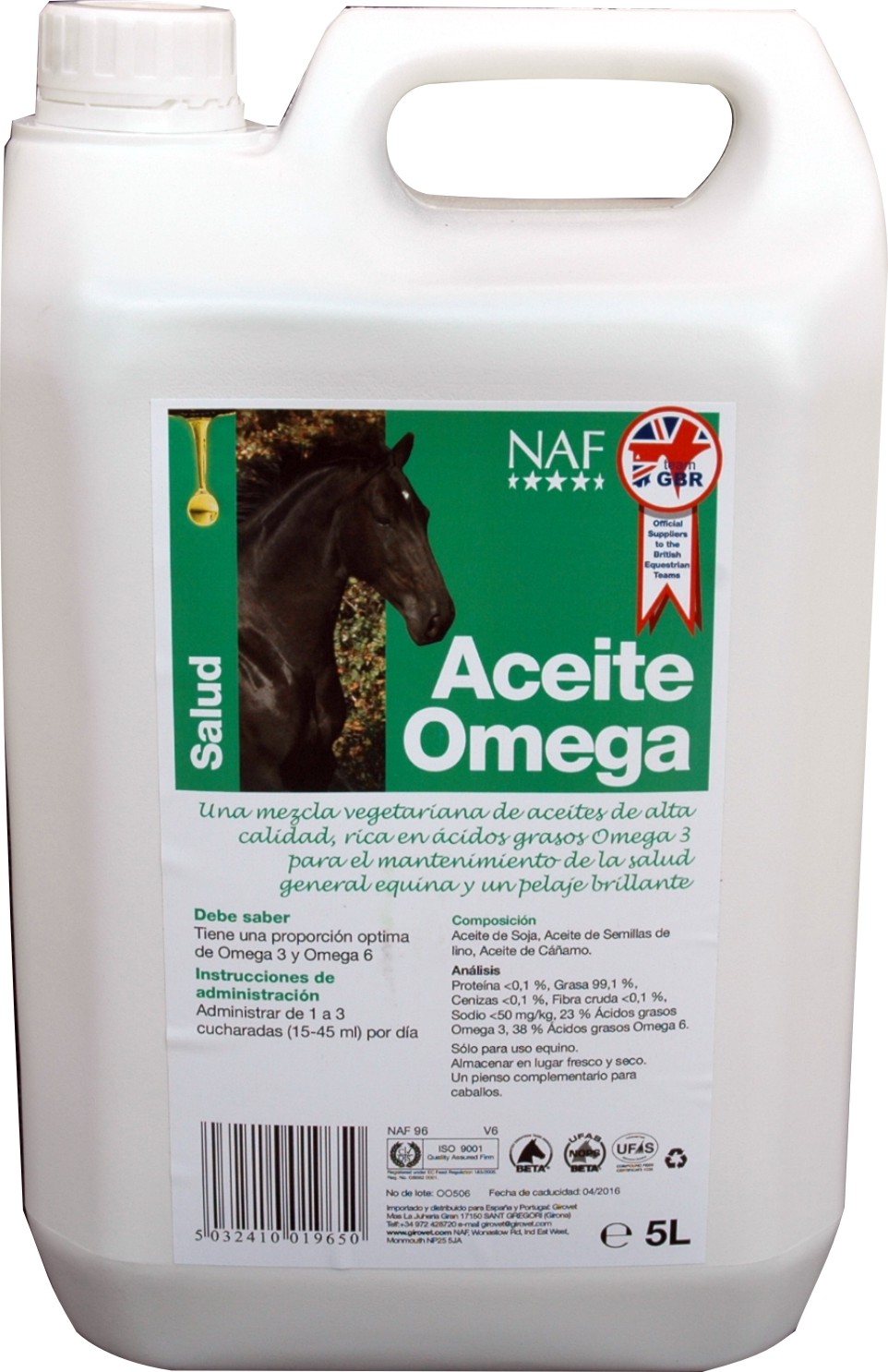
OMEGA OIL is a blend of natural oils rich in the essential fatty acids Omega 3 and Omega 6 that help the horse digest feed and increase its weight. In addition, this magnificent supplement also enhances other horses' systems, such as the immune and reproductive systems.
In short, even if you do things right, your horse can develop problems related to the winter. However, by applying common sense, avoiding as much as possible that your horse suffers sudden changes in temperature, living in humid areas, and ensuring that he grows strong through proper nutrition, frequent exercise, regular attention to the shoeing, and early detection and treatment of the problems that may appear, you have improved the possibilities of prevention and have avoided the appearance of many problems that can seriously affect the health of your horse.
