
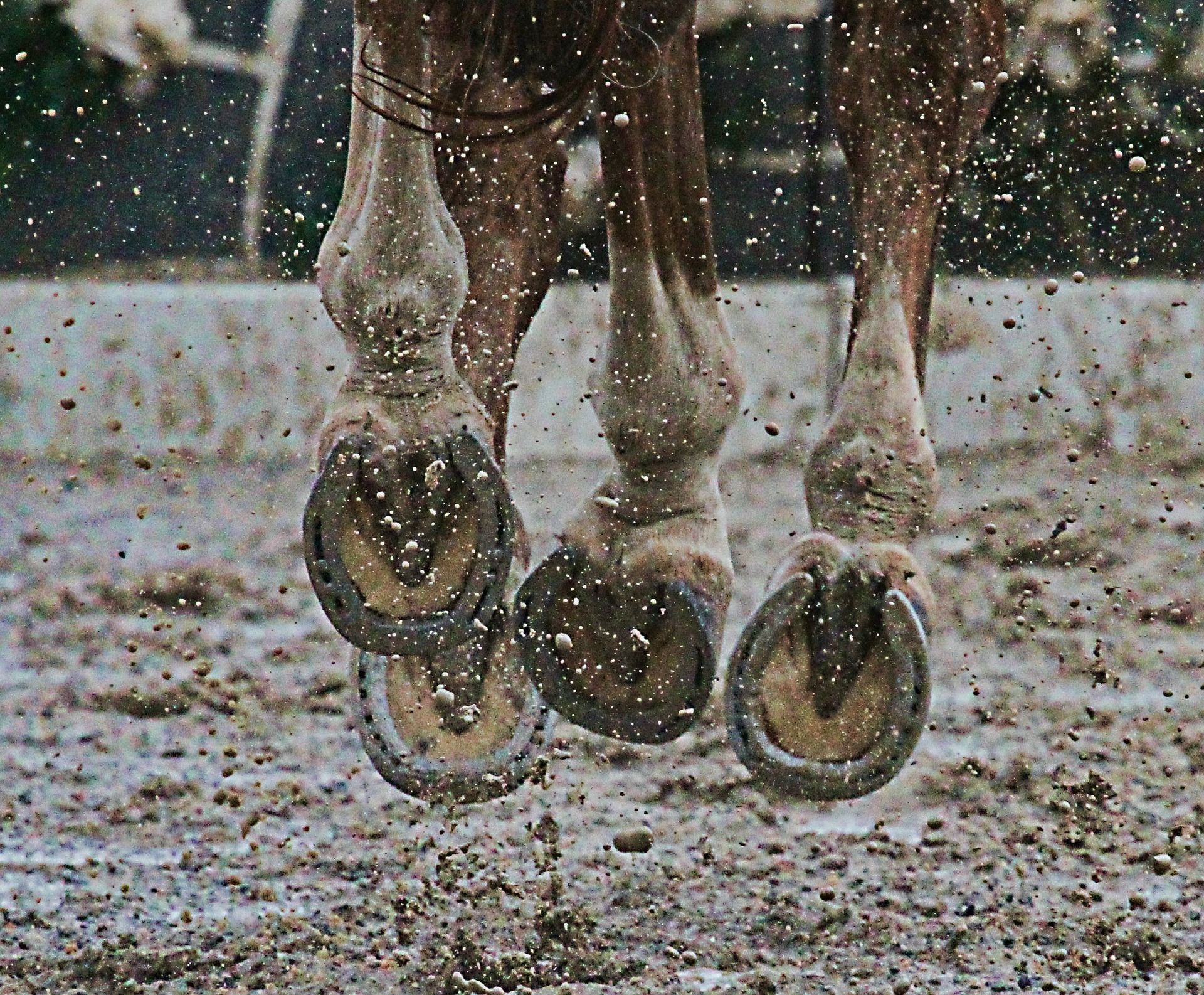
Mud fever, soft hooves, frog rot...
Lundi 13 Février 2017In winter, problems such as mud fever, soft hooves or frog rot due to dampness, prolonged contact of the hooves with mud, little activity due to bad weather, tend to have higher incidence. Below we offer more information about this problems, as well as products that will help solve them.
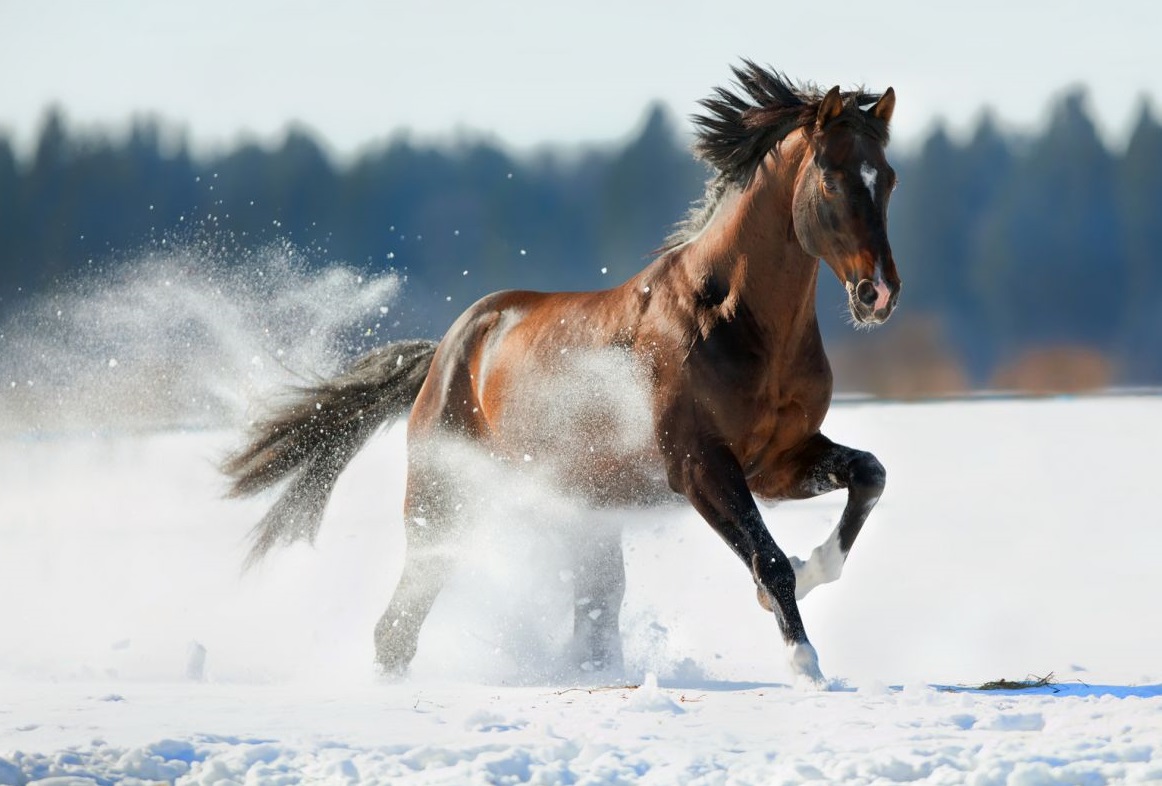
MUD FEVER
At this time of the year, there is a high incidence of mud fever in horses. Mud fever, also called "cracked hooves" is a pathology frequently produced by a bacterium called Dermatophilus congolensis, which belongs to the normal flora and is a very active bacterium that causes infections in the case of an injury.
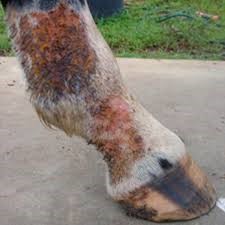
In normal conditions, the healthy skin of the horse acts as a protective barrier, preventing the entry of different microorganisms. However, there are environmental factors such as high environmental humidity, cold, mud, dirty bedding or poorly ventilated and hot boxes that favor the appearance of skin pathologies.
Certain genetic factors predispose some breeds more than others to suffering from mud fever. Horses with white hair on the lower legs are more prone to it.
The pathology starts as a slight dermatitis; irritation is observed in the folds of the pasterns, showing the area as sore, sensitive, red, and hot. When the skin damage is high and softening of the skin and open wounds are observed, then hair loss, inflammation, and the presence of scabs are perceived. If the disease continues to progress, exudates will appear that cause infections and deep cracks in the affected area. These phases are annoying and painful for the horse, and they can even cause lameness.
For this pathology, the best cure is prevention. In order to carry it, there must be a daily and systematic routine, such as washing the legs with water and soap and drying them properly with a towel.
However, in winter, it can be difficult to prevent mud fever from appearing. In these cases, it is important to minimize contact with mud, water, and dirt in general. Also, providing proper treatment can be helpful in improving and healing the symptoms.
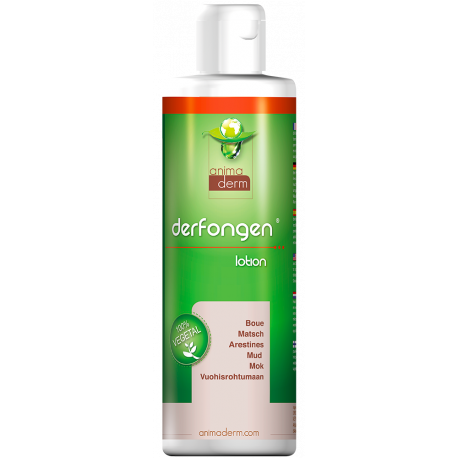

THE SOLUTION TO MUD FEVER
DERFONGEN is an effective soothing lotion for the treatment and prevention of mud fever.
NATJELY is a 100% natural vaseline that hydrates and regenerates the skin, allowing the pores to breathe and accelerating the healing process.
For proper elimination of mud fever, it is recommended to apply DERFONGEN in the affected area every 4 days. Apply NATJELY 3 days after applying Derfongen. It is very important to keep the skin well hydrated and accelerate its healing process.
We recommend applying the treatment for 3 weeks.
FROG ROT
"Frog rot" is actually the most common hoof infection. It is an infection in the frog, which we easily locate because it is characterized by the presence of black and smelly tissue.
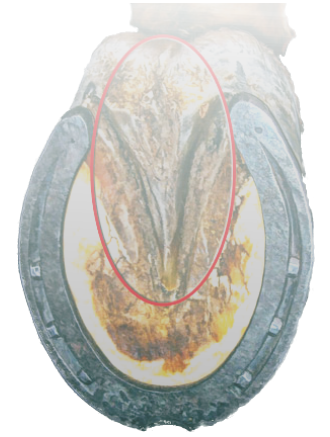
In winter, they tend to have a higher incidence due to the prolonged contact of the hooves with the mud. Factors such as the lack of care and cleaning of the hooves, little activity (as in the case of stabled horses), a box that is not cleaned regularly, defective ironwork, or a small cut can be the causes of the introduction of bacteria into the hoof, which multiply in the absence of light, oxygen, and dampness.
Cleaning the horse's hooves at least once a day and exercising him can help prevent or eliminate rotten frogs. However, it is also important to avoid, as far as possible, dirty and humid environments.

FOURGEN is a 100% natural antiseptic, antifungal, antibacterial, and water repellent liquid specially formulated to treat rotten, soft, or infected frogs.
It is recommended to apply it to the central groove of the frog once a day until you notice improvement.
SOFT HOOVES
The horse's hooves are essential, and it is very important to keep them in good condition. The hoof is composed of 40% water, carbon, oxygen, nitrogen, hydrogen and sulfur.
The hoof does not absorb oils, greases, lubricants or any other substance that is not water; it is highly resistant to corrosive substances and heat. The amount of liquids and lipids that make up the hoof has a direct relationship with the elasticity of the hoof; if it dries out too much, the tissue of the hoof can atrophy, causing a break. However, a too-soft hoof can also lead to serious problems.
As an example and to better understand the reason for soft hooves, especially in wet weather, we can make a comparison with our feet. If we bathe for too long, our feet will begin to remain soft, making them more sensitive and more susceptible to problems, in the same way it happens with the hooves of horses that are constantly in wet, waterlogged, and/or dirty terrain.
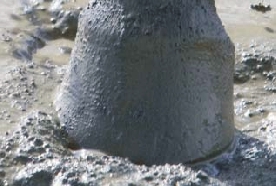
Therefore, although keeping the hooves well hydrated is important, we must avoid, as far as possible, letting our horse spend a long time immersed in mud, wet places, and/or dirty places in order to have healthy hooves. Frequent exercise is also important to maintain the normal biomechanics of the hoof structure.
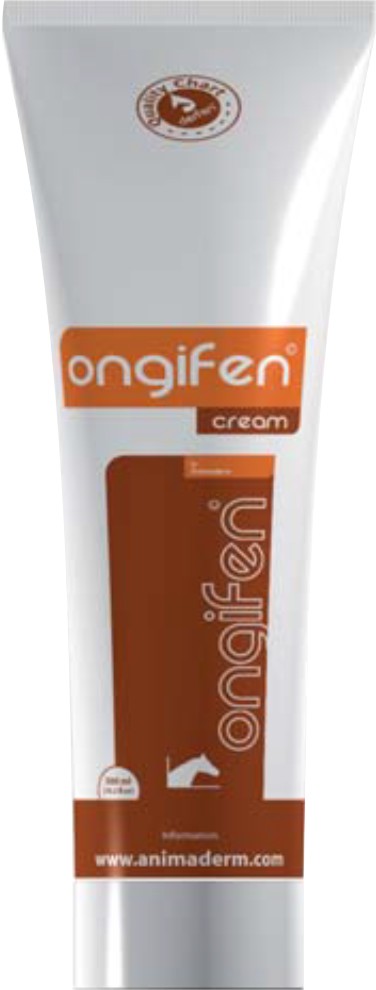
ONGIFEN is a hardening cream for soft hooves that protects the frog and the hoof from dampness, creating, at the same time, a protective film from external dampness and maintaining the natural hydration of the hoof. Combined with M.S.M. HOOF, makes the perfect combination to care for and nourish your horse's soft hooves.
