
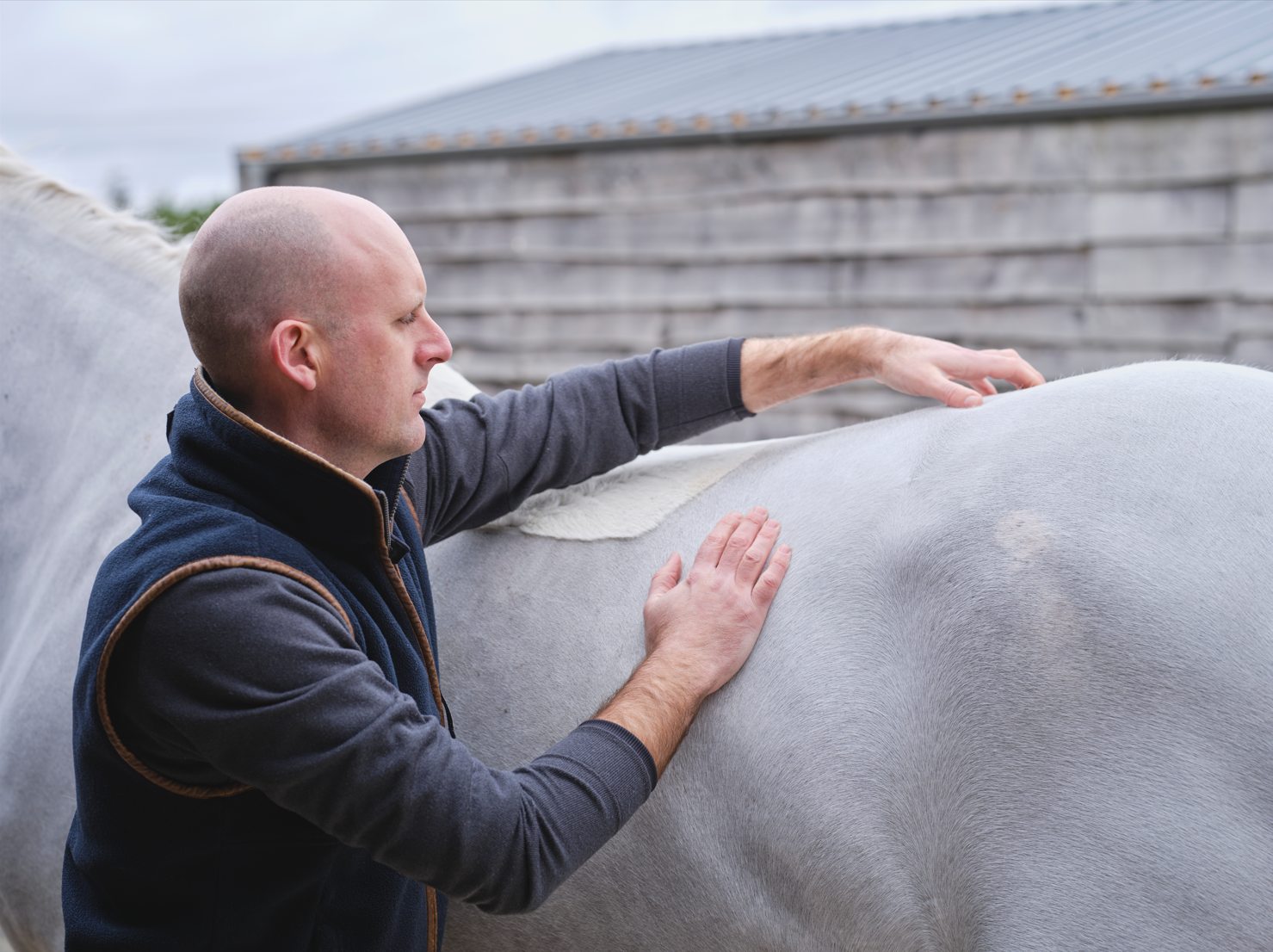
Pain and inflammation in the horse
Vendredi 01 Août 2025
One of the fundamental considerations of animal welfare is that we provide to the animals in our care "absence of pain". Minimizing pain ensures animal well-being and provides an optimal environment for recovery from illness and injuries.
However, to manage equine pain, we must first be able to accurately identify if our horses are showing signs of discomfort. Extreme pain can be obvious, but low-level chronic pain can be much harder to identify, yet it has important implications for his well-being.
The diagnosis of pain in horses is based on a subjective evaluation of their behavior. Therefore, it is very useful to be clear about the normal behavioral patterns in horses.
Which is the normal horse behavior?
Horses are herbivores: grazing animals that originally lived in herds and survived by feeding on grasses with forage of low nutritional value. To evade predators, they relied on being extremely alert and living in groups for mutual protection.
The domestication of the horses has required adaptation on their part, but many of their natural behaviors remain, which becomes an important factor in helping us recognize when they may be in pain. For example, horses frequently raise their heads while eating off the ground, even when they are in the stall, probably to gain a wider field of vision to detect predators. In wild horses, stomping on the ground is used as a method of exposing plant roots, where nutrients are most concentrated. A natural resting position for the horse is with the head down, with the ears forward or to the side. They will often rest one hind leg, and at the end of a rest period, they may yawn or stretch. When they are not resting or feeding, horses tend to be alert or mobile.
How to identify pain
To try to be as thorough as possible in assessing pain in horses, it is useful to categorize pain into the following groups:
- PAIN-RELATED BEHAVIORS
- Pain behaviors related to specific causes of pain
- Reduced pain bearing on one or more extremities (injury/orthopedic illness)
- Being on the defensive (neck or back/lumbar problems)
- Self-mutilation (for example, kicking the abdomen in case of colic, biting the sides in the case of gastric ulcers)
- Behaviors related with widespread pain
- Discomfort / Nervousness
- Decreased physical activity
- Decreased appetite
- Reduced interest in socializing
- Head down position when he is not eating or resting
- Tendency to be at the back of his stall
- Reduced interest in his environment
- Facial expressions
- Ears low or stiff back
- Pronounced or "locked" lower jaw
- Tension in the nostrils, face and jaw muscles
- Pain behaviors related to specific causes of pain
- PHYSIOLOGICAL PARAMETERS
- Heart rate
- Breathing frequency
- Blood pressure
- Rectal temperature
- Serum cortisol levels
In addition to all of the above, there are also indicators of pain that are much difficult to recognize. Although these behaviors can also be associated with non-painful causes, such as a young horse in training, we need to ask ourselves if pain can be the underlying cause.
Some examples of more difficult to recognize pain indicators would include:
Some examples of more difficult to recognize pain indicators would include:
- Low performance
- Unwillingness to work
- Aggressiveness
- Difficulty stopping or getting up
- Abnormal head position when riding
- Shaking the head when riding
- Running suddenly while riding
Pain is the most common symptom of inflammation, a common problem in horses. Inflammation is the natural reaction of the body to an injury or infection. It is important to understand the causes of inflammation so that appropriate treatment can be administered if necessary. Inflammation, like pain, can be classified into two types: acute and chronic.
Acute inflammation is the type we will be most familiar with. The immune system sends an army of white blood cells to surround and protect the affected area, creating noticeable redness, swelling, and heat. At the cellular level, the body infiltrates the area with white blood cells that help fight infection. The resulting swelling, redness, and pain also act to tell the brain that the area should be protected, reducing the risk of additional damage. Without acute inflammation, injuries could worsen, and simple infections could be fatal.
Chronic inflammation is more complex and difficult to explain. Chronic inflammation is a much longer-term process, and many of its effects are much less obvious and more difficult to detect. It can be caused by many different disease processes, including:
Acute inflammation is the type we will be most familiar with. The immune system sends an army of white blood cells to surround and protect the affected area, creating noticeable redness, swelling, and heat. At the cellular level, the body infiltrates the area with white blood cells that help fight infection. The resulting swelling, redness, and pain also act to tell the brain that the area should be protected, reducing the risk of additional damage. Without acute inflammation, injuries could worsen, and simple infections could be fatal.
Chronic inflammation is more complex and difficult to explain. Chronic inflammation is a much longer-term process, and many of its effects are much less obvious and more difficult to detect. It can be caused by many different disease processes, including:
- Infection
- Allergies
- Injuries
- Neoplasms (cancer)
- Metabolic disease
Chronic inflammation can be both the effect and cause of many different conditions in the body. It is related to several equine inflammatory conditions that can be difficult to treat, such as laminitis, equine gastric ulceration syndrome, recurrent airway obstruction, equine metabolic syndrome, or Cushing's syndrome.
Evaluation and treatment
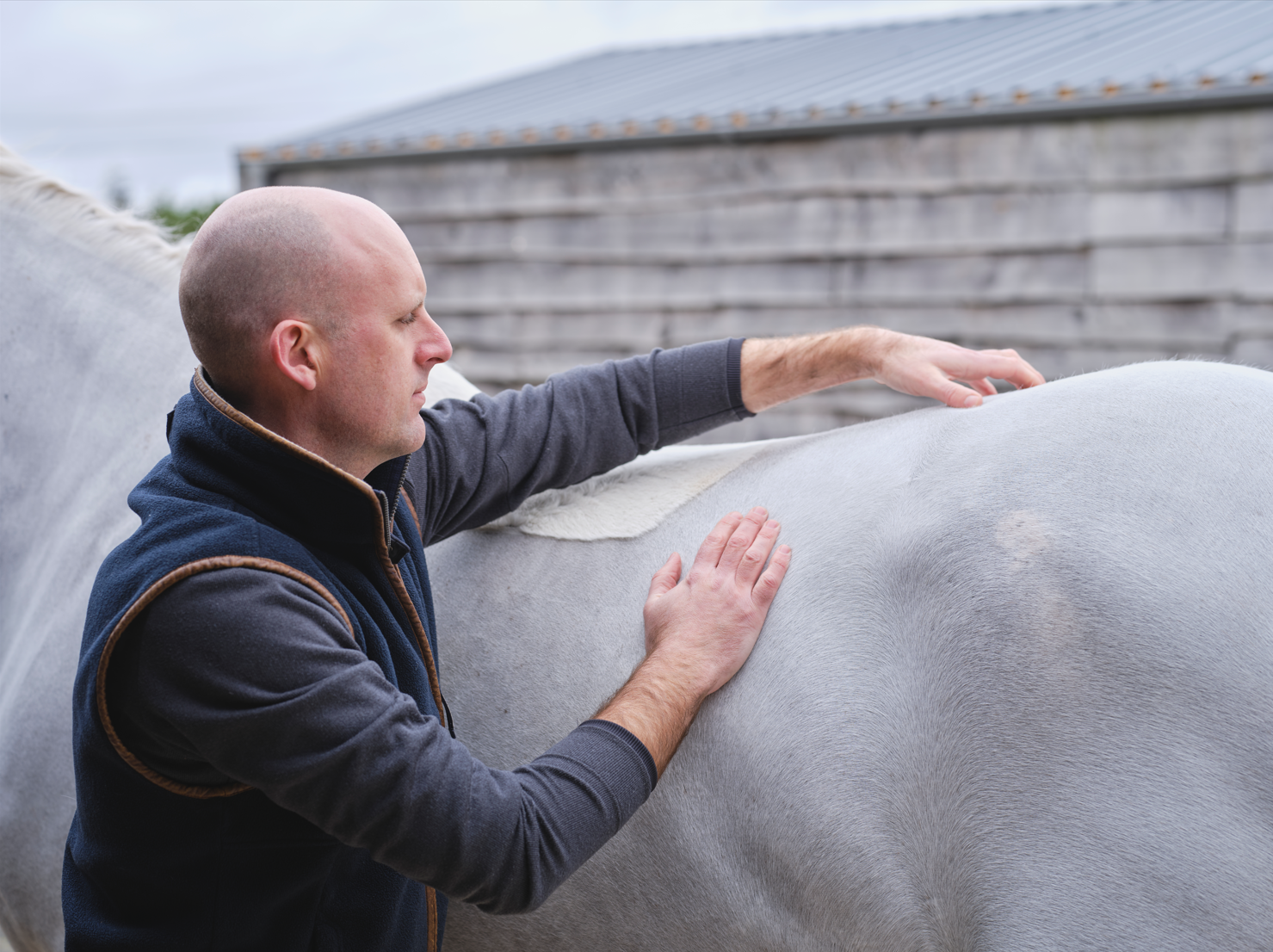
The first step should always be a consultation with the veterinarian. A complete examination is usually the starting point, and having videos of our horse's behavior to show to the veterinarian can be very useful. Diagnostic tests, such as nerve blocks, x-rays, or other techniques, may be necessary to further narrow down the potential cause. There are also rapid amyloid protein tests, which are very useful to detect or confirm if there is inflammation or infection, as well as to monitor the horse's recovery in real time.
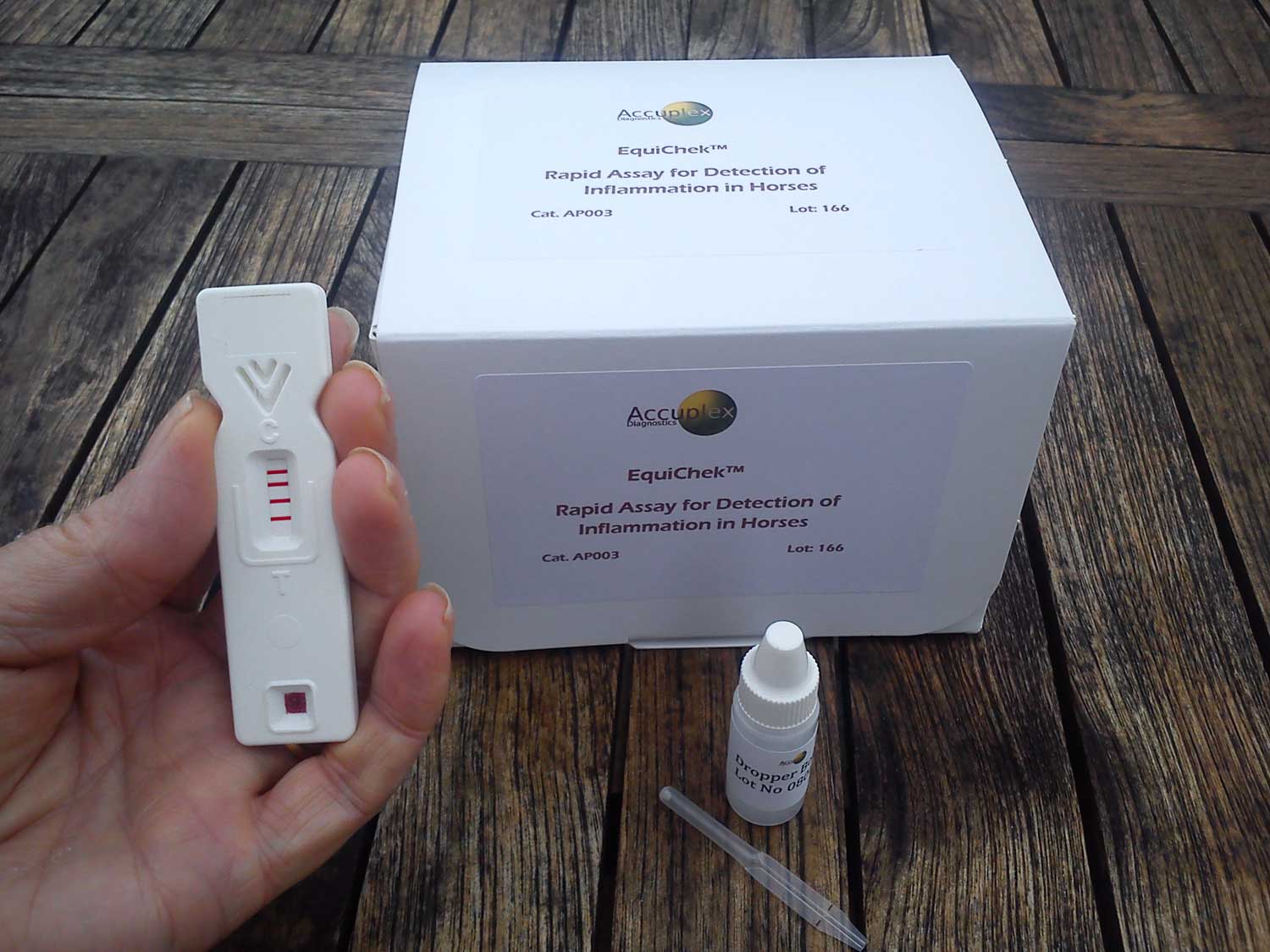
EQUICHEK
EquiChekTM-SAA is a rapid amyloid protein test to evaluate the state of the horse's immune system that facilitates the detection of infections and other inflammatory conditions.
Many problems have a specific treatment that will help eliminate or reduce the cause of the horse's pain in the short term. For example, removing a joint fragment through surgery or removing a damaged tooth In cases of acute inflammation, the veterinarian can treat them very effectively with short courses of antiinflammatory medications (NSAIDs or corticosteroids).
However, there are also many problems that require longer-term pain relief as part of the treatment, such as in cases of arthritis or navicular changes.
There are also inflammatory conditions in which appropriate exercise can be beneficial if it can be achieved while maintaining an acceptable level of comfort. For example, horses with kissing spines will often benefit greatly from exercise to develop muscular support of the back once the underlying causes have been addressed. In these cases, the proper use of oral products that help maintain comfort is of great help.
Long-term pain and inflammation: how to manage them
There are many scenarios where the provision of long-term pain relief is extremely important to maintaining a horse's well-being. For example, a horse with an arthritic or degenerative orthopedic disease or a horse affected by seasonal disorders such as a dermatological allergy problem.
Pharmacologic options for long-term pain relief include NSAIDs such as phenylbutazone, suxibuzone, meloxicam or firocoxib. The administration of NSAIDs should always be under veterinary prescription. Long-term use of NSAIDs should always be considered very carefully as they may be associated with unwanted side effects such as gastric ulceration, colitis and kidney damage.
Other options for long-term pain relief include natural antiinflammatories that may have fewer or no associated side effects.
NATURAL ANTIINFLAMATORIES
Oral via
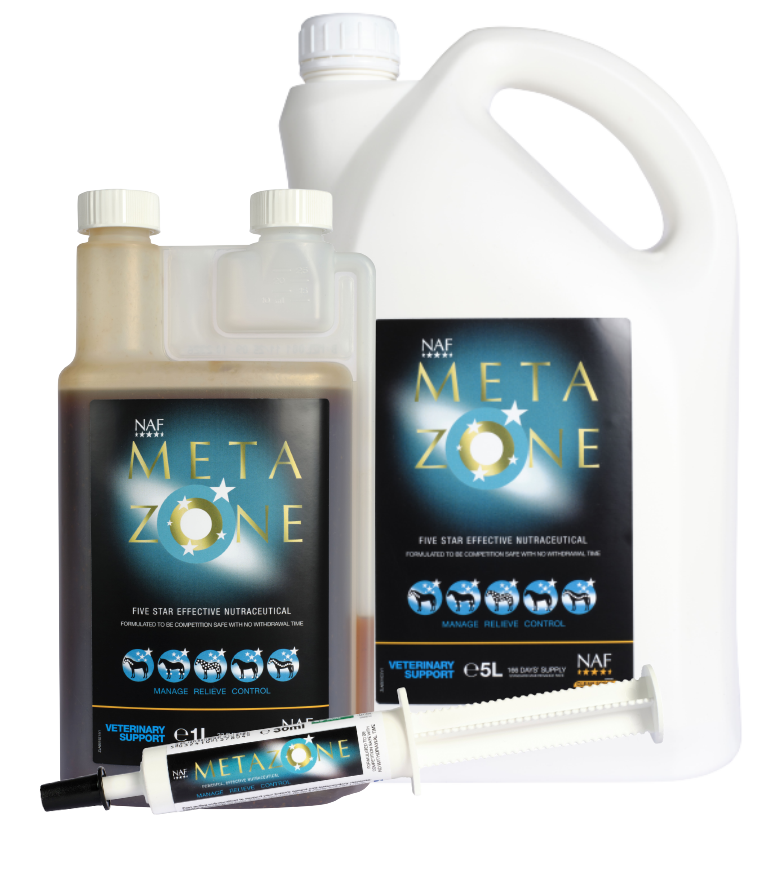
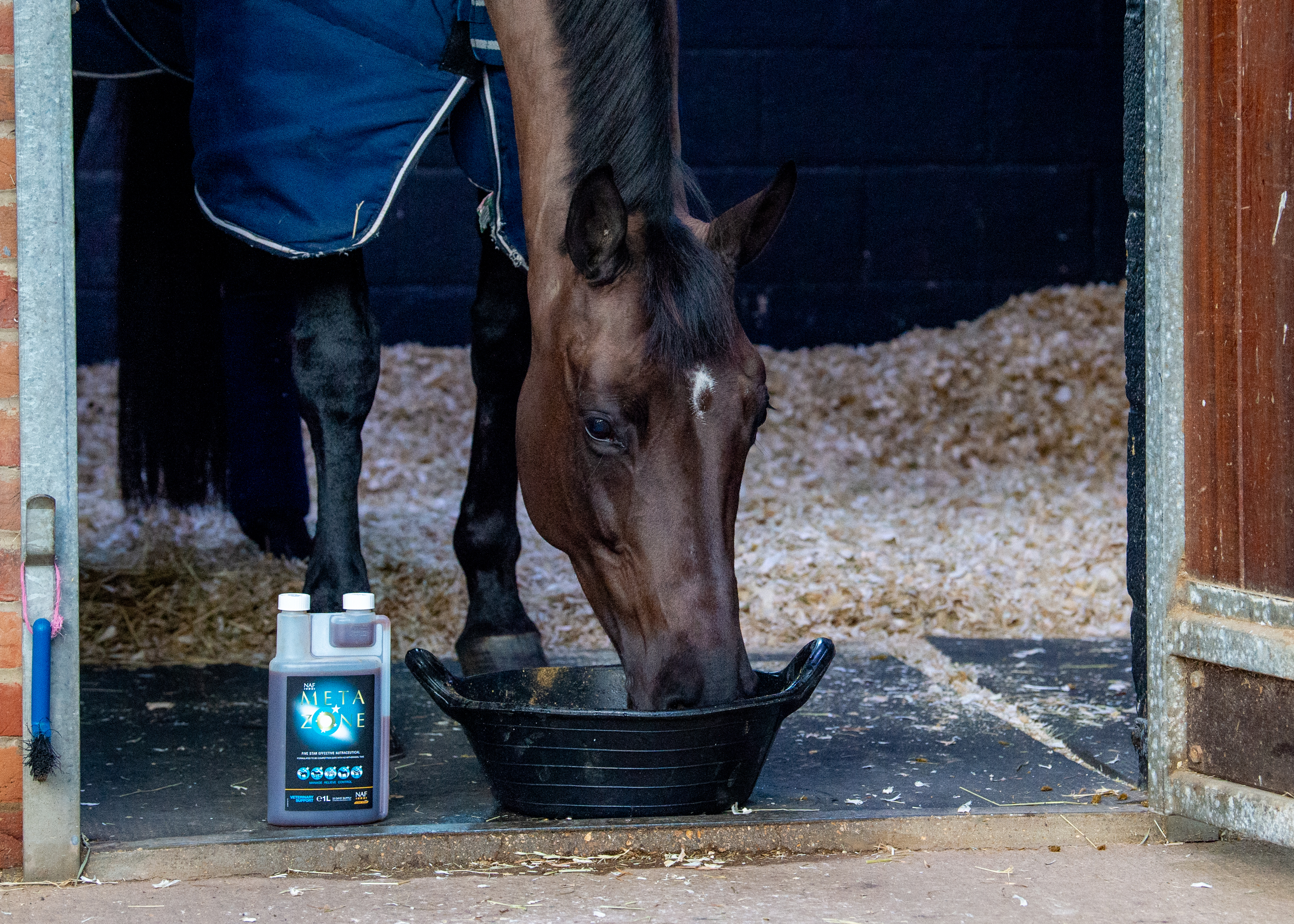
METAZONE
METAZONE is an innovative natural antiinflammatory indicated for any occasion in which the horse needs to relieve pain due to an inflammatory process.
Manages, relieves and controls pain in the joints and musculoskeletal system, respiratory airways, digestive system...
It can be safely administered during competition (does not cause doping).
Available in liquid and syringe.
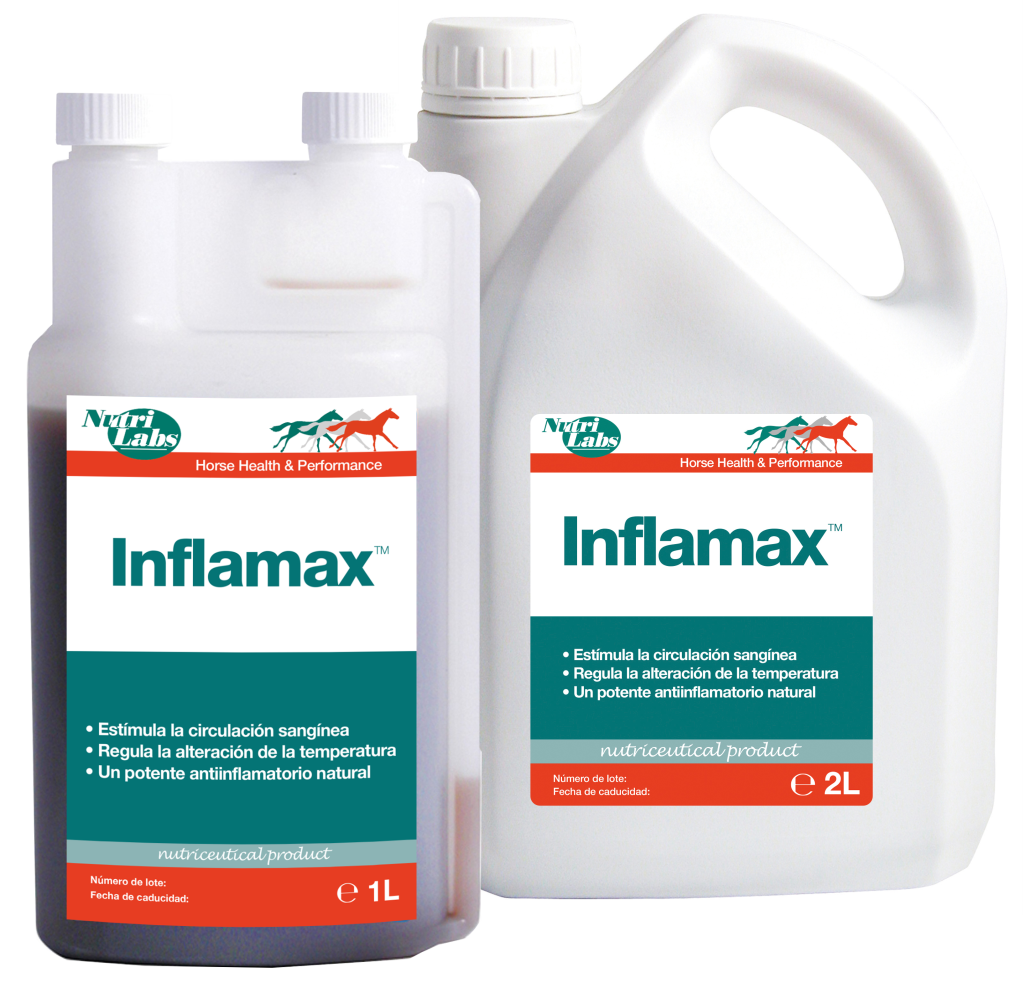
INFLAMAX
Inflamax is a powerful natural antiinflammatory with Harpagophytum. Is a natural alternative to antiinflammatory medications in cases of lameness, arthritis, for older horses...
Do not administer during competition.
Topical
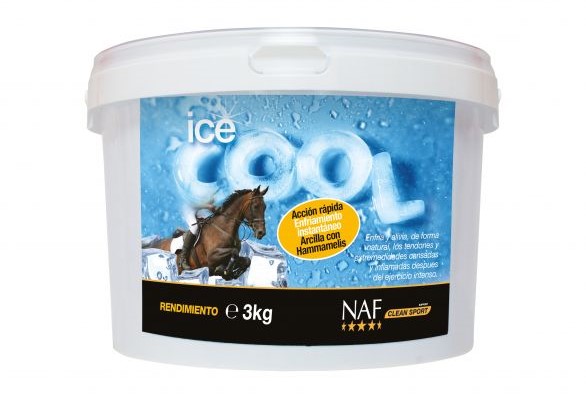
ICE COOL
ICE COOL is an instant cold and natural firming clay, effective as a powerful antiinflammatory for tendons and hocks.
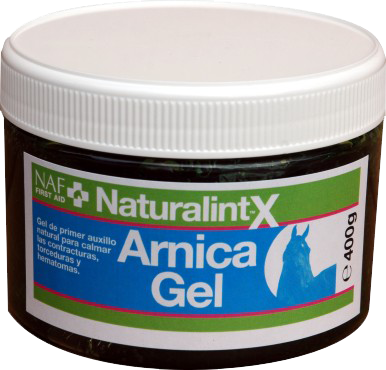
ARNICA GEL
Soft and refreshing with a soothing effect to relieve sprains and minor bruises after muscular effort or a blow. Fast pain relief with Arnica, Hammamelis and M.S.M.
The use of natural antioxidants is also of great importance. Originally, horses naturally consumed a wide variety of different plants as part of their long walks and grazing. Modern pastures often lack as much diversification of plant species. Some plants are excellent sources of antioxidants such as carotenoids, flavonoids, and polyphenols. Antioxidants reduce unwanted free radicals or reactive oxygen species produced during periods of chronic inflammation. If the horse's diet lacks pasture diversity, then supplementation with plant-based antioxidants can be very beneficial.
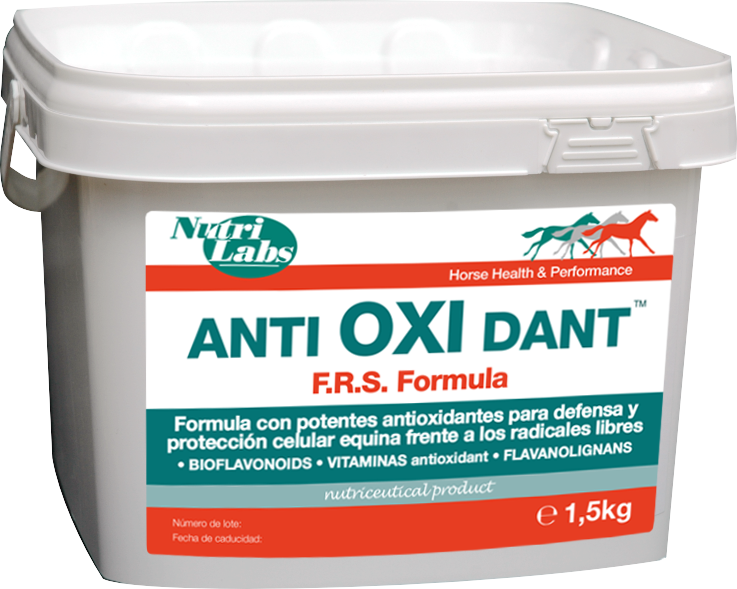
ANTI OXI DANT
ANTI OXI DANT is a complete formula with more than 40 antioxidants for equine cellular defense and protection against free radicals, optimizing kidney function for the elimination of toxins.
Treatment should be based on a holistic approach to horse care, involving the different professionals relevant to each area, and also taking into account the diet and handling.
Veterinarian
Veterinarian
• Which medication is more suitable for the horse?
• Does the horse have any additional health consideration that may affect the choice of treatment?
• Can a more selective NSAID be used for long-term administration?
• Can the dose be reduced if additional management changes are made?
Farrier
• Can regular shoeing reduce the severity of an anterior or posterior-related ailment?
• Can corrective shoeing or hoof trimming help relieve discomfort?
Physiotherapy and Chiropractic
• Can the condition improve with regular physiotherapy or chiropractic treatment?
• Can physiotherapy improve the recovery after exercise?
Nutrition
• Would the horse benefit from the weight loss? How can we achieve this while maintaining micronutrient requirements and supporting gut flora?
• Would it be positive for the horse to have better physical condition and gain muscle? How can optimal nutrition help with this?
Supplementation
• Which daily supplementations options exist that help maintain levels of well-being and can reduce dependence on NSAIDs?
• Does my horse need vitamin and mineral supplements if he is on a restricted diet?
• Would daily supplementation help maintain intestinal health despite a change in diet?
With a general approach and from all areas, we will be able to more efficiently manage pain relief for our horse and improve its well-being and quality of life.
• Does the horse have any additional health consideration that may affect the choice of treatment?
• Can a more selective NSAID be used for long-term administration?
• Can the dose be reduced if additional management changes are made?
Farrier
• Can regular shoeing reduce the severity of an anterior or posterior-related ailment?
• Can corrective shoeing or hoof trimming help relieve discomfort?
Physiotherapy and Chiropractic
• Can the condition improve with regular physiotherapy or chiropractic treatment?
• Can physiotherapy improve the recovery after exercise?
Nutrition
• Would the horse benefit from the weight loss? How can we achieve this while maintaining micronutrient requirements and supporting gut flora?
• Would it be positive for the horse to have better physical condition and gain muscle? How can optimal nutrition help with this?
Supplementation
• Which daily supplementations options exist that help maintain levels of well-being and can reduce dependence on NSAIDs?
• Does my horse need vitamin and mineral supplements if he is on a restricted diet?
• Would daily supplementation help maintain intestinal health despite a change in diet?
With a general approach and from all areas, we will be able to more efficiently manage pain relief for our horse and improve its well-being and quality of life.
Supplementation for chronic pain/inflammation associated to:
ARTICULAR PROBLEMS:
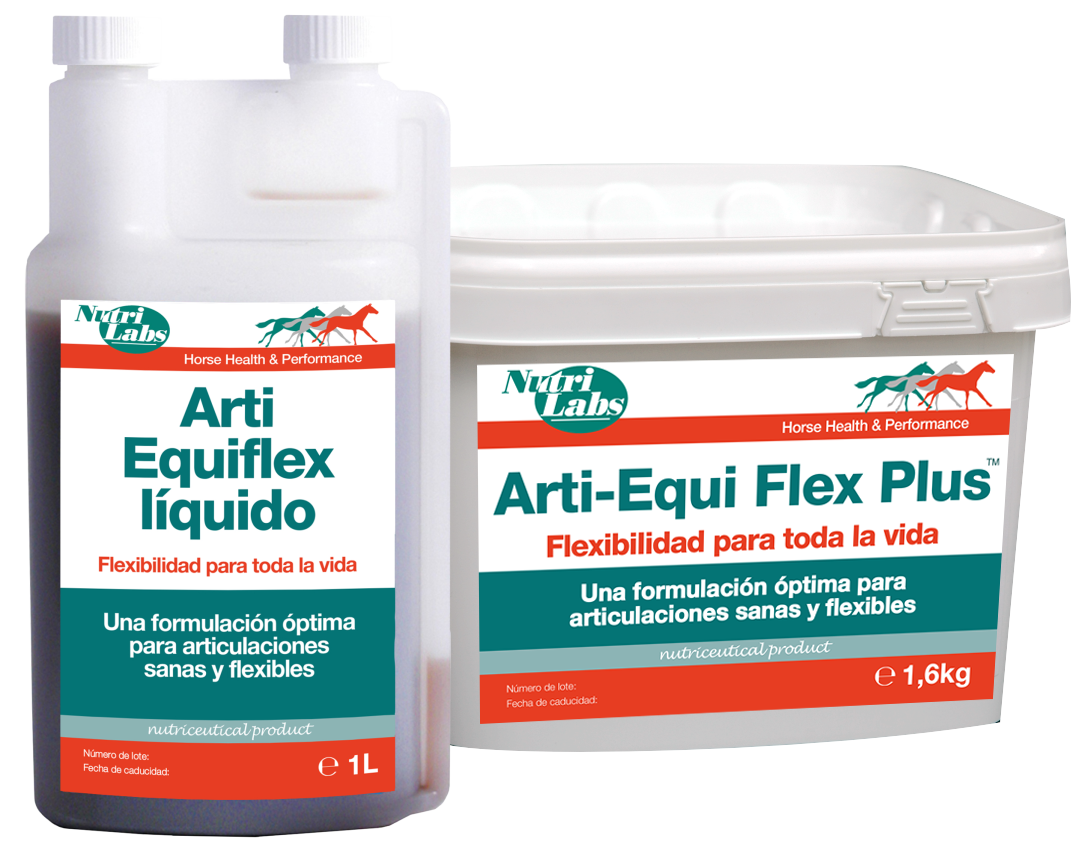
ARTI EQUIFLEX
ARTI-EQUIFLEX PLUS is the most effective joint chondroprotector on the market, with an optimal and complete formula for healthy and flexible joints. Contains a natural antiinflammatory, M.S.M., with antioxidants and three chondroprotectors: Chondroitin Sulfate, Glucosamin and Hyaluronic Acid.
Available in powder and liquid.
GASTRIC ULCERS:

ACID PROTECT
ACID PROTECT offers natural antiinflammatory support, maintains the pH of the stomach within neutrality, preventing the appearance of gastric ulcers and promoting their healing.
RESPIRATORY PROBLEMS:
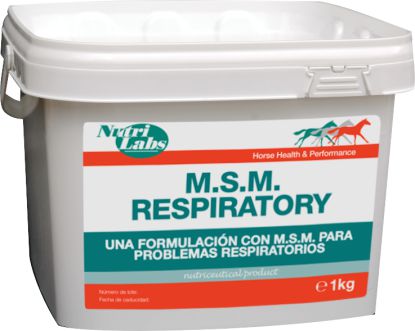
MSM RESPIRATORY
Effective formula with M.S.M., Ascorbic Acid and a mixture of natural herbs for respiratory problems such as: cough, colds, respiratory difficulty, airway obstruction...
CUSHING'S SYNDROME:
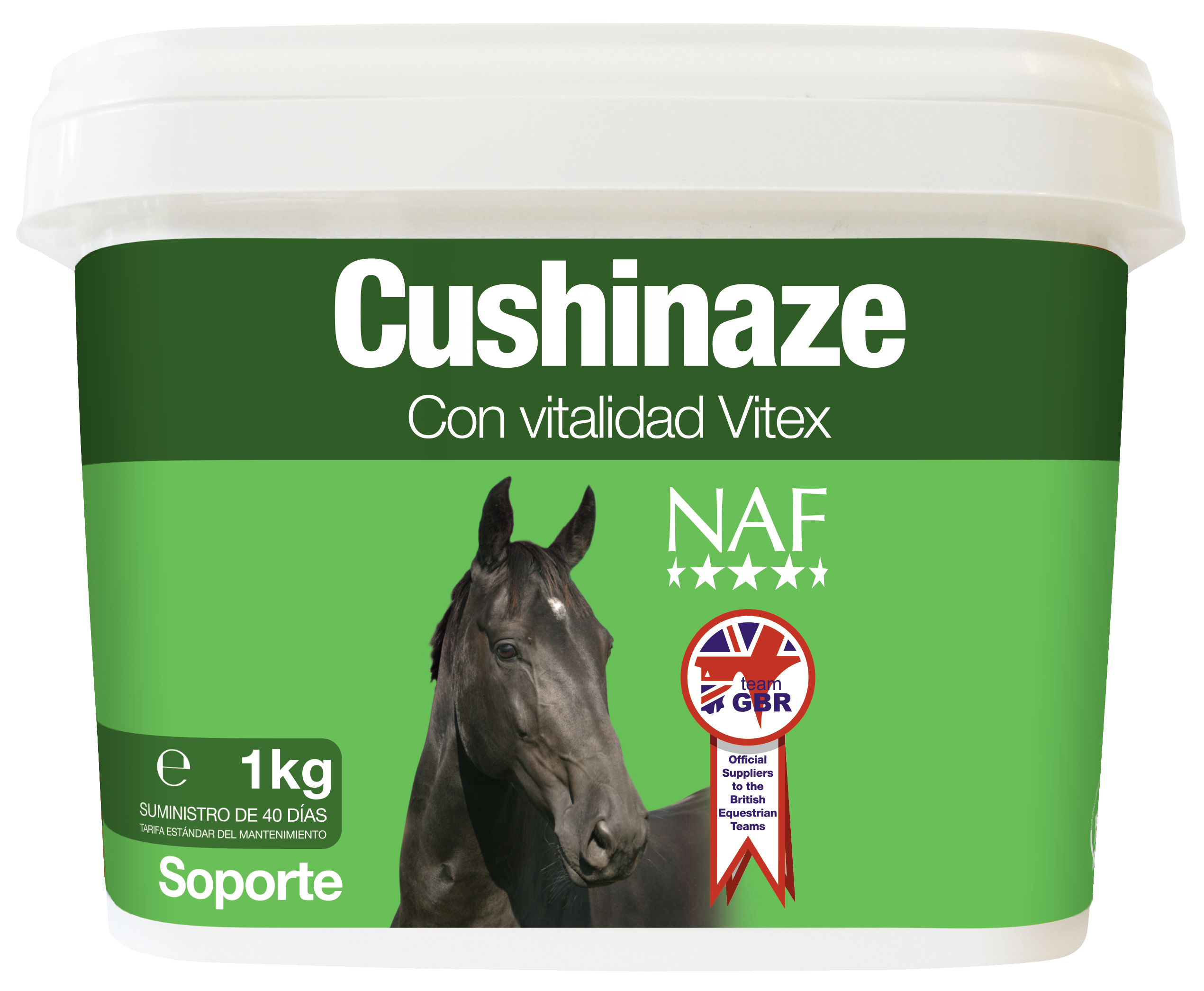
CUSHINAZE
Cushinaze combines the appropriate plants with Magnesium, M.S.M. and antioxidants to stabilize the function of the pituitary gland and to ease the consequences of Cushing's syndrome (such as laminitis), improve the condition of the coat and keep the horse vital and active.
LAMINITIS:
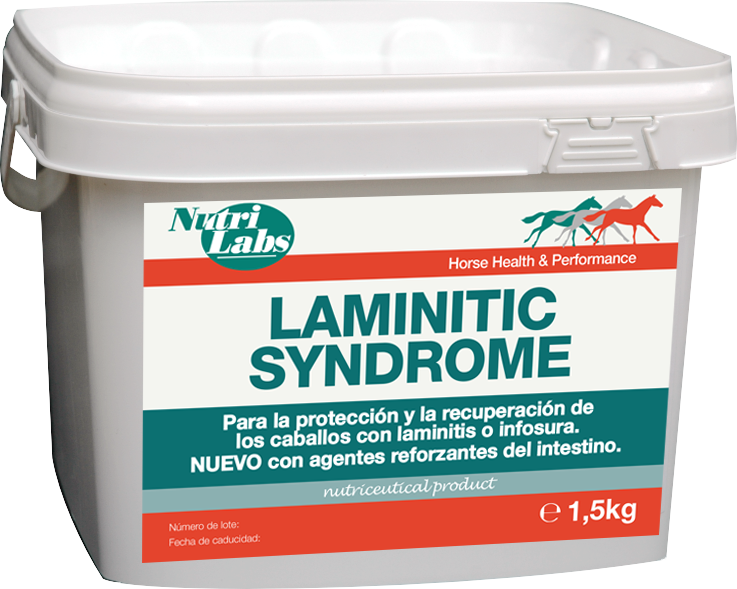
LAMINITIC SYNDROME
LAMINITIC SYNDROME contains the highest quality ingredients and intestinal strengthening agents to protect, strengthen and recover the horse from laminitis. Its high content in M.S.M. promotes rapid hoof growth.
For better results, it is recommended to administer together with the product GASTRO INTESTINAL ABSORBENT.
