
Digestive system health
Wednesday 16 December 2020Digestive problems often have their origins in changes in diet and lifestyle. In the wild, horses travel great distances and eat frequently but in small amounts, choosing the food that is easiest to digest. Nowadays, man has changed the scheme of nature: horses are stabled and only eat what is offered to them, much less frequently. On the other hand, in the case of sport horses, they are subjected to effort and work that requires an extra energy contribution. Depending on how much this contribution is, it can be difficult to digest and be a key factor in the appearance of digestive problems and disorders.
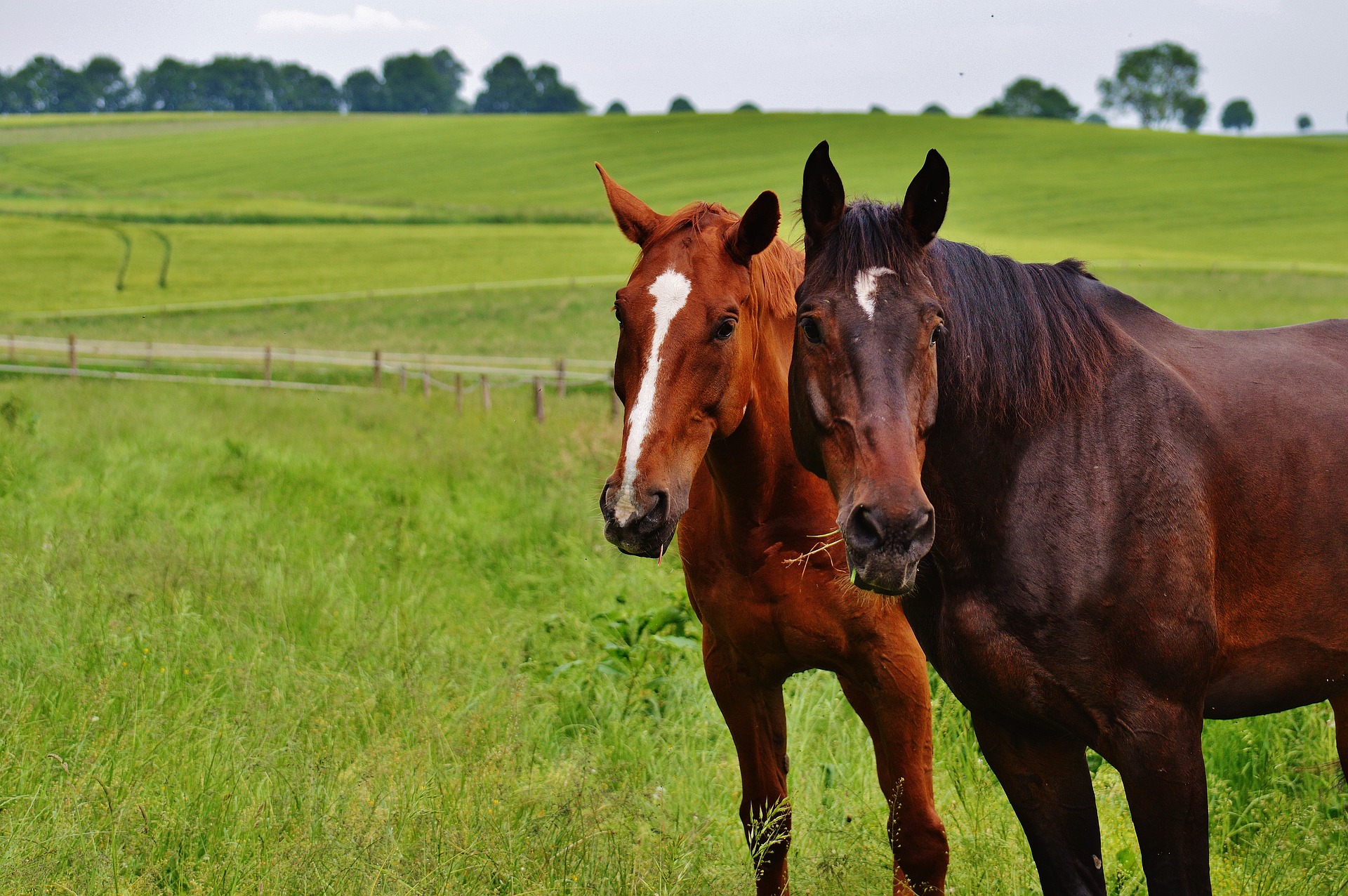
KEYS FOR A HEALTHY DIGESTIVE SYSTEM
1. Maximize pasture hours
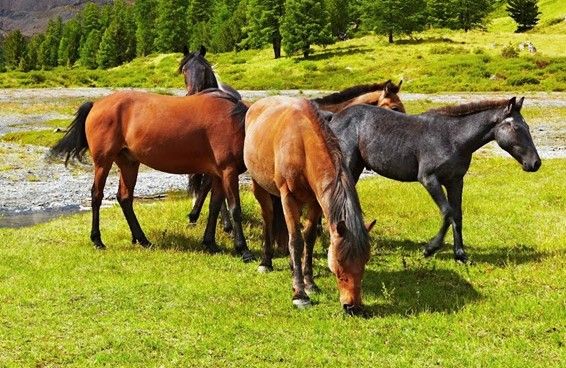
The key to keeping the digestive system running is to try to resemble nature as much as possible. Horses with free access to pasture could spend up to 18 hours a day grazing, but in many cases, this is not possible.
2. Administer good quality hay and do not exceed the contribution of grain
The grain contains a high amount of sugar and starch, which, when consumed in excess, can even cause colic or laminitis. In the case of administering grain in the rations, it is highly recommended to administer the hay first and then the grain in order to prevent intestinal blockage.
The large intestine is designed to digest grass, and when it receives sugars, these can alter the microbial population, changing the pH and causing disorders.

DIGESTIVE is a restorative treatment for horses that are stressed, in competition, in intense training, or suffering from weight loss, wounds, pregnancy, low blood counts, or after antibiotic therapy. Due to its content in probiotics, enzymes and yeasts, it improves the function of the digestive system and achieves optimal assimilation and utilization of the nutritional ingredients of the horse's diet.
3. Replace some carbohydrates with alternative caloric sources
In cases where calorie intake must be increased, such as if we want to increase weight, maintain it in older horses, or provide energy for sport horses, it is more recommended to administer oils than increase the daily ration of food. The oils are easily digested, they do not contain sugars or starches, and, in addition, they reduce the risk of ulcers by staying longer in the stomach.
In cases where calorie intake must be increased, such as if we want to increase weight, maintain it in older horses, or provide energy for sport horses, it is more recommended to administer oils than increase the daily ration of food. The oils are easily digested, they do not contain sugars or starches, and, in addition, they reduce the risk of ulcers by staying longer in the stomach.
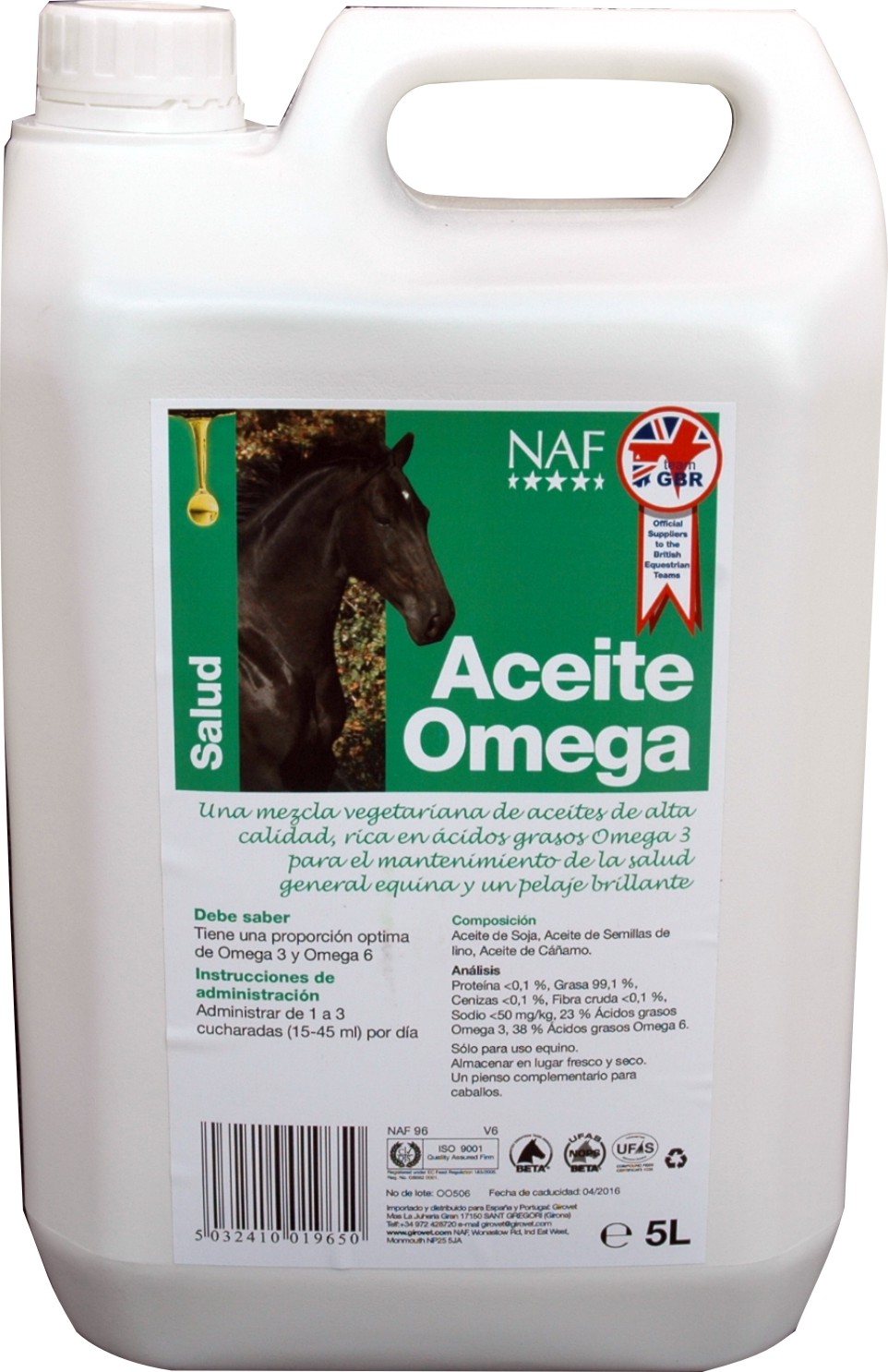
OMEGA OIL is a blend of natural oils rich in Omega 3 and Omega 6, which enhance the health of the immune system, skin, joints, reproductive system, and performance.
Produces much more energy than the same weight in proteins and carbohydrates. Therefore, we get more energy with less food.
4. Try to avoid ingesting sand
In arid terrain, grazing horses can ingest a large amount of sand, causing sand colic. In cases where it cannot be avoided, it is recommended to add Psyllium to the horse's diet as a precaution. Psyllium is a proven laxative made from Plantago seeds that, when ingested, form a gelatinous substance that facilitates the expulsion of sand deposited in the intestine, especially if combined with oil.
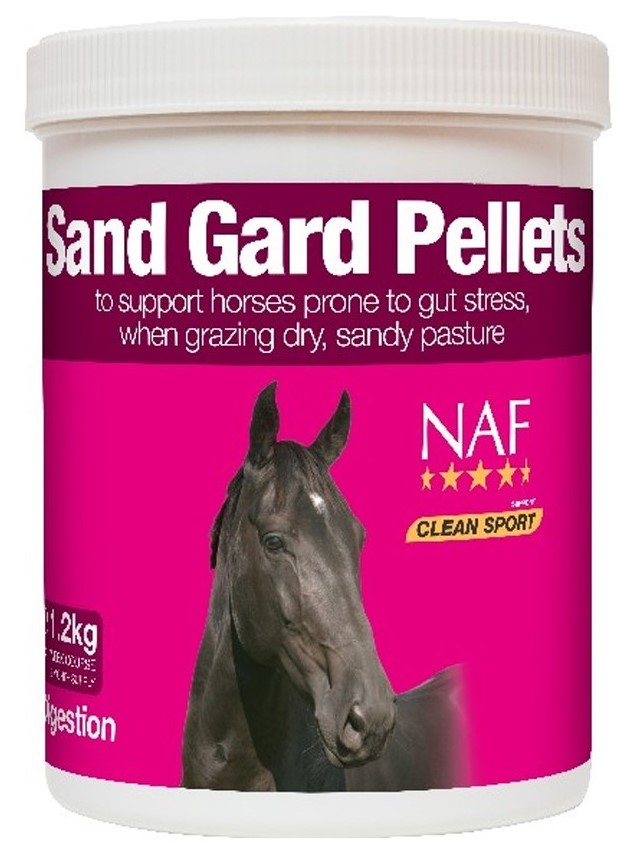
SAND GARD pellets favor the natural peristalsis of the intestine and contain Psyllium, which naturally helps to eliminate accumulated sand. It also provides probiotics to strengthen the natural flora.
5. Protect the intestinal flora
A horse needs a healthy and balanced microbiota population in the intestine to digest food and absorb nutrients. Many factors in the horse's life, including stress from transport, efforts, competitions, disease, or the administration of drugs and antibiotics, may affect the microbial population. If optimal flora levels drop, the horse may develop chronic diarrhea, lose weight, or even be susceptible to various types of colic, among other problems.
To help maintain optimal levels of intestinal flora, there are numerous supplements that contain prebiotics and probiotics that facilitate repopulation.
A horse needs a healthy and balanced microbiota population in the intestine to digest food and absorb nutrients. Many factors in the horse's life, including stress from transport, efforts, competitions, disease, or the administration of drugs and antibiotics, may affect the microbial population. If optimal flora levels drop, the horse may develop chronic diarrhea, lose weight, or even be susceptible to various types of colic, among other problems.
To help maintain optimal levels of intestinal flora, there are numerous supplements that contain prebiotics and probiotics that facilitate repopulation.

FLORYBOOST contains prebiotics that stimulate the intestinal flora. Quickly covers the intestinal tract in cases of diarrhea or digestive disorders. Contains a specific clay capable of covering the walls of the intestine and absorbing toxins and other aggresive agents. In addition, it contains the necessary electrolytes to make up for the loss and restore the balance again.
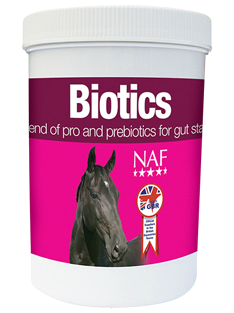
BIOTICS, with probiotics and prebiotics, reinforce the intestinal barrier and keep the horse's natural defenses activated. Indicated for sport and competition horses subjected to stress and intense efforts, as well as after digestive disorders, colic, diarrhea, treatments with antibiotics, etc.
Other basic tips to ensure a better functioning of the digestive system while minimizing risk are to ensure access to fresh and clean water at all times, carry out periodic dental check-ups, and facilitate the movement and exercise of the horse.
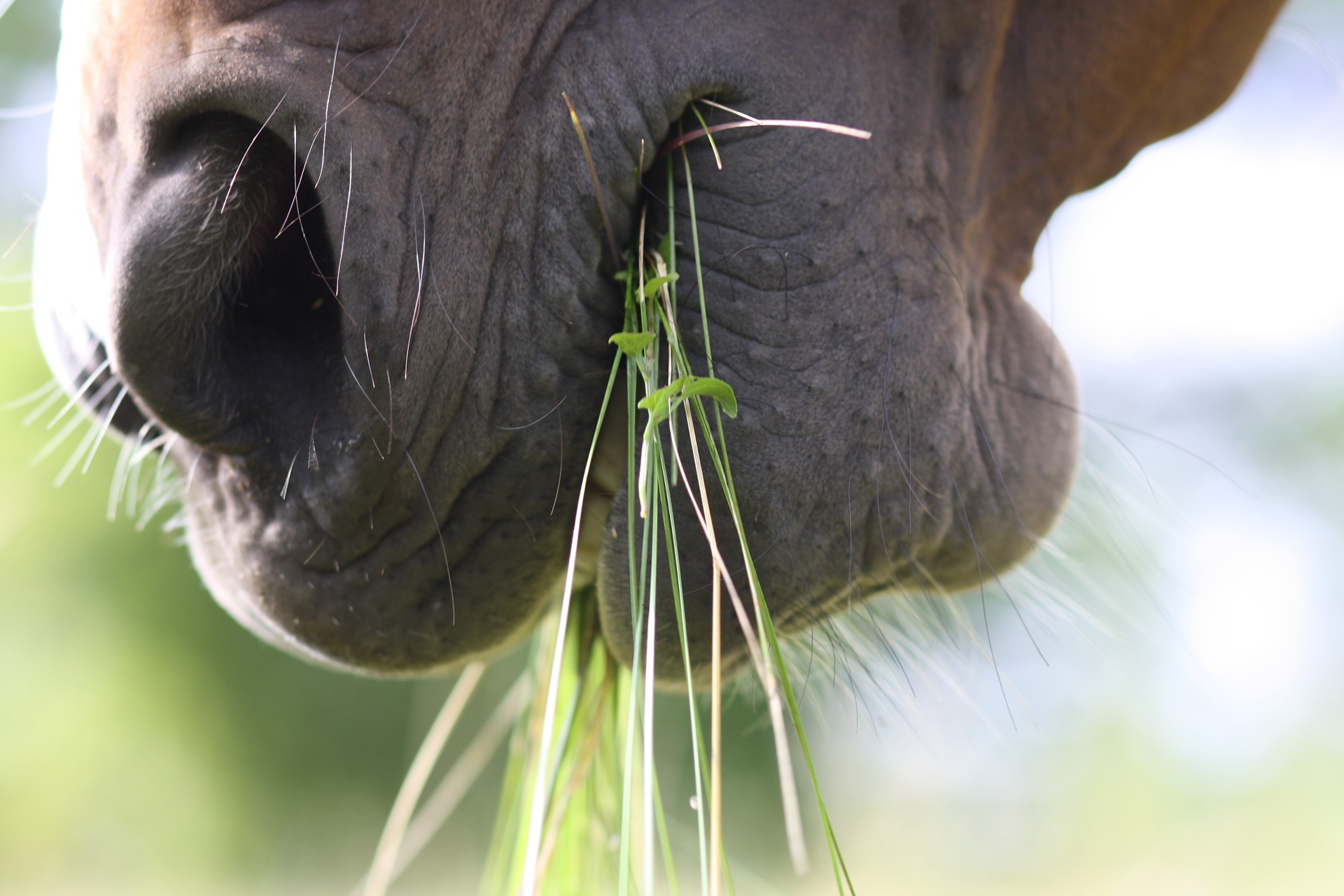
The main gastric problems that we can find range from mild indigestion, constipation, or diarrhea to more severe problems such as colic or gastric ulcers.
GASTRIC ULCERS
With their subtle signs that come and go, gastric ulcers are easy to miss and difficult to diagnose. Some of the symptoms are lack of appetite, weight loss, behavior changes, poor performance or recurrent colic.
Affecting horses of all ages and breeds, they represent the most important clinical and economic problem in sport horses today: reduced profit due to decreased performance and high costs associated with therapeutic medication. Numerous studies suggest that more than 90% of athletes' horses could suffer from gastric ulcers.
Main causes
The main causes of stomach ulceration are intermittent diets, stress, intense efforts and prolonged administration of drugs.
The stomach continually produces acid, even when the horse doesn't eat food. The entry of food together with saliva decreases the risk of stomach injuries because the acid is neutralized and its contact with the stomach walls is minimized. That is why the horse that eats more frequently has a lower chance of suffering from ulcers.
Stalled horses and stressful situations such as long-distance travel, intense training, and exposure to unusual situations are risk factors that can predispose the horse to ulcers.
When a horse performs intense exercise, its stomach contracts to help keep all the abdominal viscera in position and prevent unwanted displacement or twisting. This ensures that the acid that normally remains more localized circulates freely throughout the stomach, reaching the parts most susceptible to ulceration. In addition, during sports, blood is diverted to the muscles, lungs and heart, so the stomach receives less blood flow and is more exposed to acid.
Finally, there are drugs like NSAIDs or Phenylbutazone that can compromise the gastric mucosa, especially if they are administered at high doses or for long periods of time, since they reduce the gastric defense mechanisms against acid. A sport horse often receives heavy use of these drugs to protect them from the effects of hard work, so it is necessary to be sensible with their use.

GASTRIAID is the best option to provide daily protection for gastric problems: it absorbs excess acid, protects the walls of the stomach, and helps digestion and fiber absorption. Contains antiacids, prebiotics and probiotics that offer the maintenance and protection that the stomach needs.
Indicated for horses prone to or with symptoms of ulcers, with digestive disorders, subjected to great effort or stress, or that do not gain weight. In the case of gastric ulcers, it allows lengthening the waiting time between Omeprazole treatments.
If we know the possible causes of ulcers, we can reduce the chances of our horse suffering from them by trying to eliminate these causes. Dietary management, which is fundamental for the gastrointestinal health of the horse, as well as the reduction of stressful situations, are the best measures. However, this cannot always be done, as it is almost impossible to de-stress the traveling horse or increase the frequency of meals if we work during the day.
If this is the case, another strategy should be considered that allows the horse to continue, as far as possible, with the life that the horse leads while still reducing the incidence and solving the gastric ulcers of the sports horse.
If this is the case, another strategy should be considered that allows the horse to continue, as far as possible, with the life that the horse leads while still reducing the incidence and solving the gastric ulcers of the sports horse.
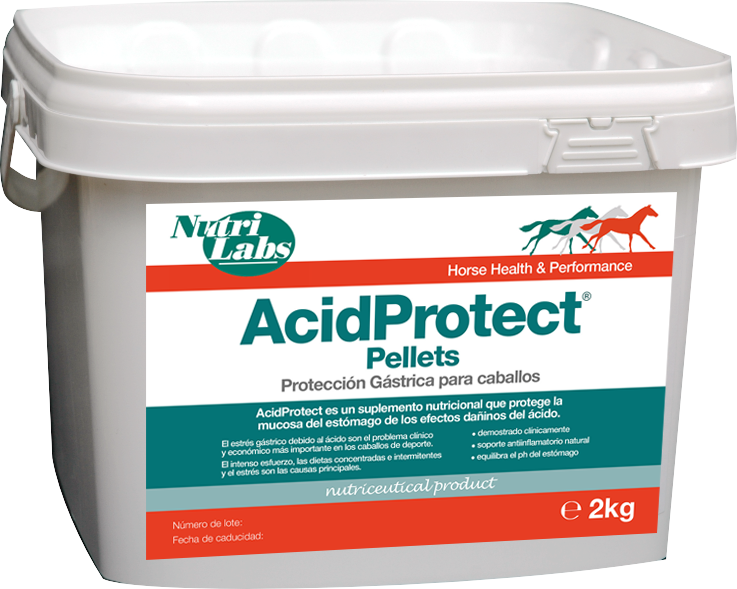
ACID PROTECT offers natural anti-inflammatory support, maintains the pH of the stomach within neutrality, and promotes the healing of gastric ulcers. If the ulcers are very severe, it helps reduce their severity, and if they are superficial, it can completely regenerate them with long-term treatment.
It is a natural alternative to traditional medicines. Indicated for sport and competition horses, as well as any horse with symptoms of gastric ulcers.
Treatment
The most effective therapeutic strategy is one that decreases gastric acidity, maintains pH above 4, stimulates intrinsic mucosal production, and protects or coats the ulcer with an acid-resistant agent. Omeprazole is the most widespread treatment; it inhibits acid secretion even when there are stimuli, although it requires a long treatment of 21 to 28 days.
As always, if you notice any problems, consult your veterinarian before making any changes to the horse's diet to correct them or administering any drugs.
The most effective therapeutic strategy is one that decreases gastric acidity, maintains pH above 4, stimulates intrinsic mucosal production, and protects or coats the ulcer with an acid-resistant agent. Omeprazole is the most widespread treatment; it inhibits acid secretion even when there are stimuli, although it requires a long treatment of 21 to 28 days.
As always, if you notice any problems, consult your veterinarian before making any changes to the horse's diet to correct them or administering any drugs.
