
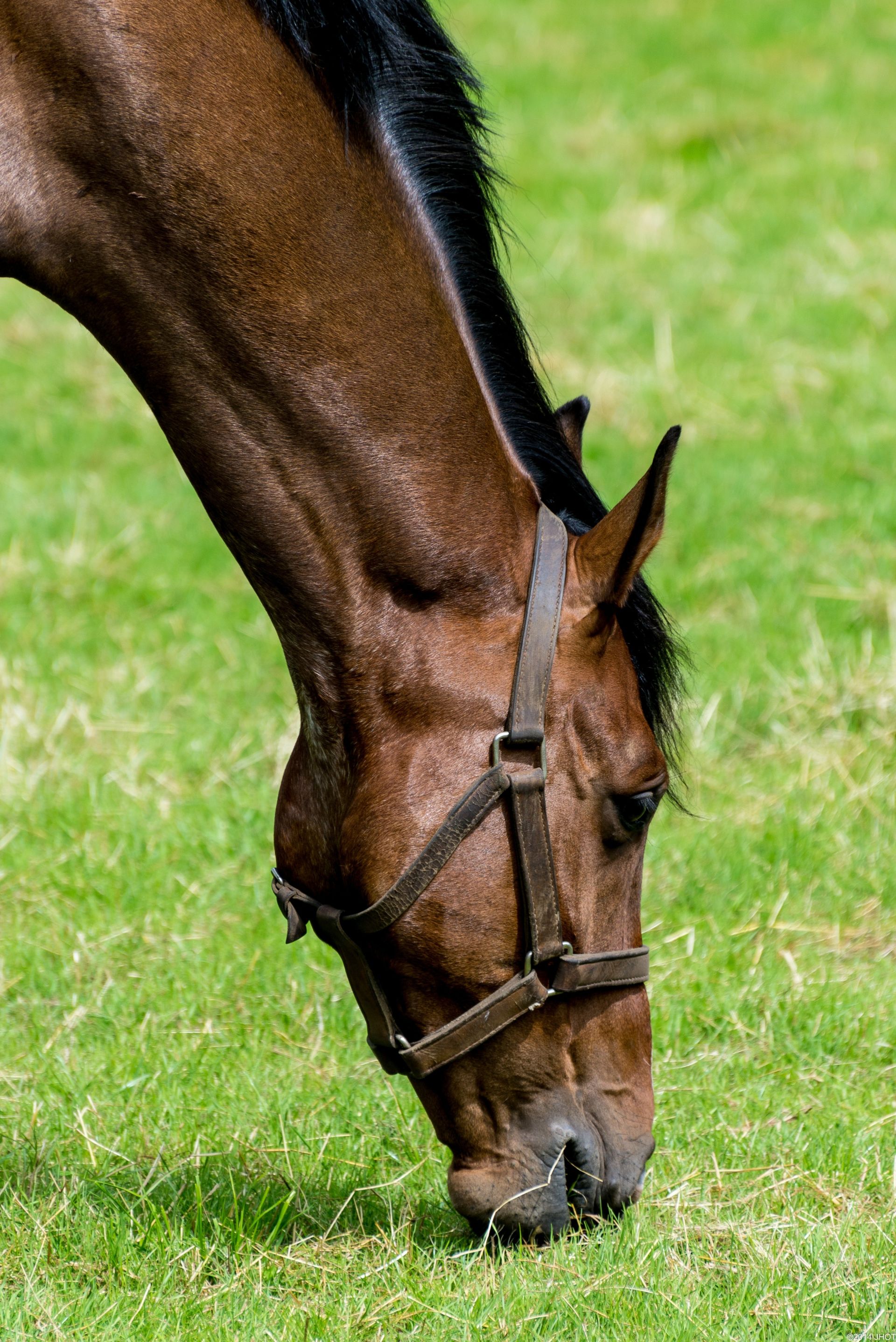
Does your horse have digestive problems?
Monday 17 April 2023The equine digestive system is complex and delicate, designed to process small but frequent amounts of food each day and absorb it for energy. It is a unique system, different from all other animals, and more prone to suffering from disorders.
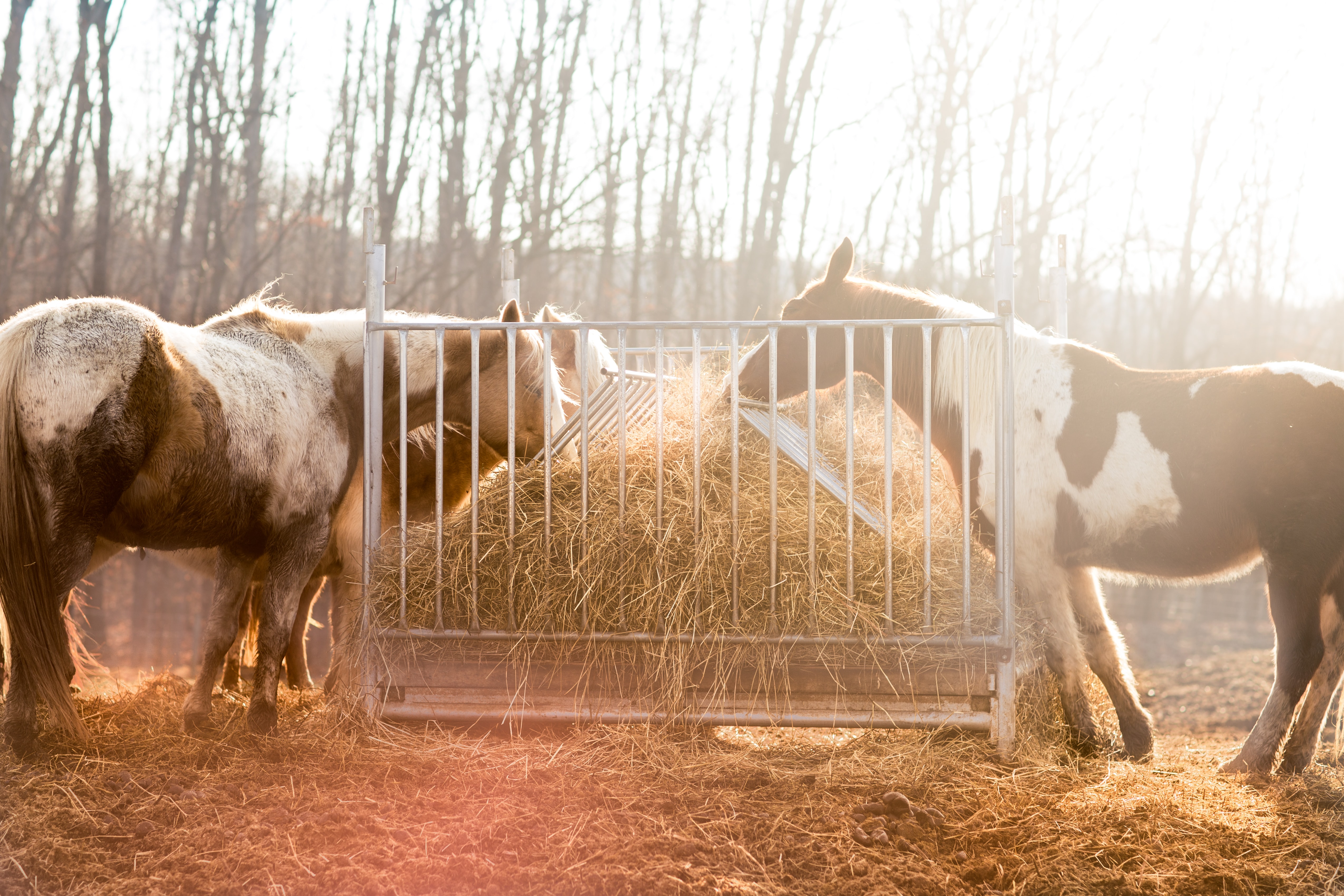
Some tips for a healthier digestive system are:
- Maximize pasture time
- Administer good hay quality and do not exceed the contribution of grain
- Replace some carbohydrates with alternative caloric sources, such as Omega oils
- Try to avoid sand ingestion
- Protect the intestinal flora
- Ensure access to fresh and clean water at all times
- Facilitate the movement and exercise of the horse
- Make regular dental checkups
MAIN DIGESTIVE PROBLEMS
These are some of the most common digestive problems in horses and the corresponding recommended treatments.
WEIGHT LOSS
If there is no obvious reason for weight loss or our horse has trouble gaining weight, it is important to consult the veterinarian to rule out parasites or dental problems, for example.
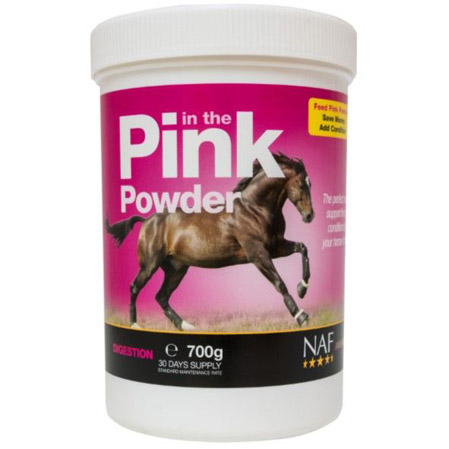
Pink Powder
Unique formula with live yeasts and probiotics, designed to improve metabolism, optimize intestinal function, and allow the natural digestive process to fully assimilate the diet.
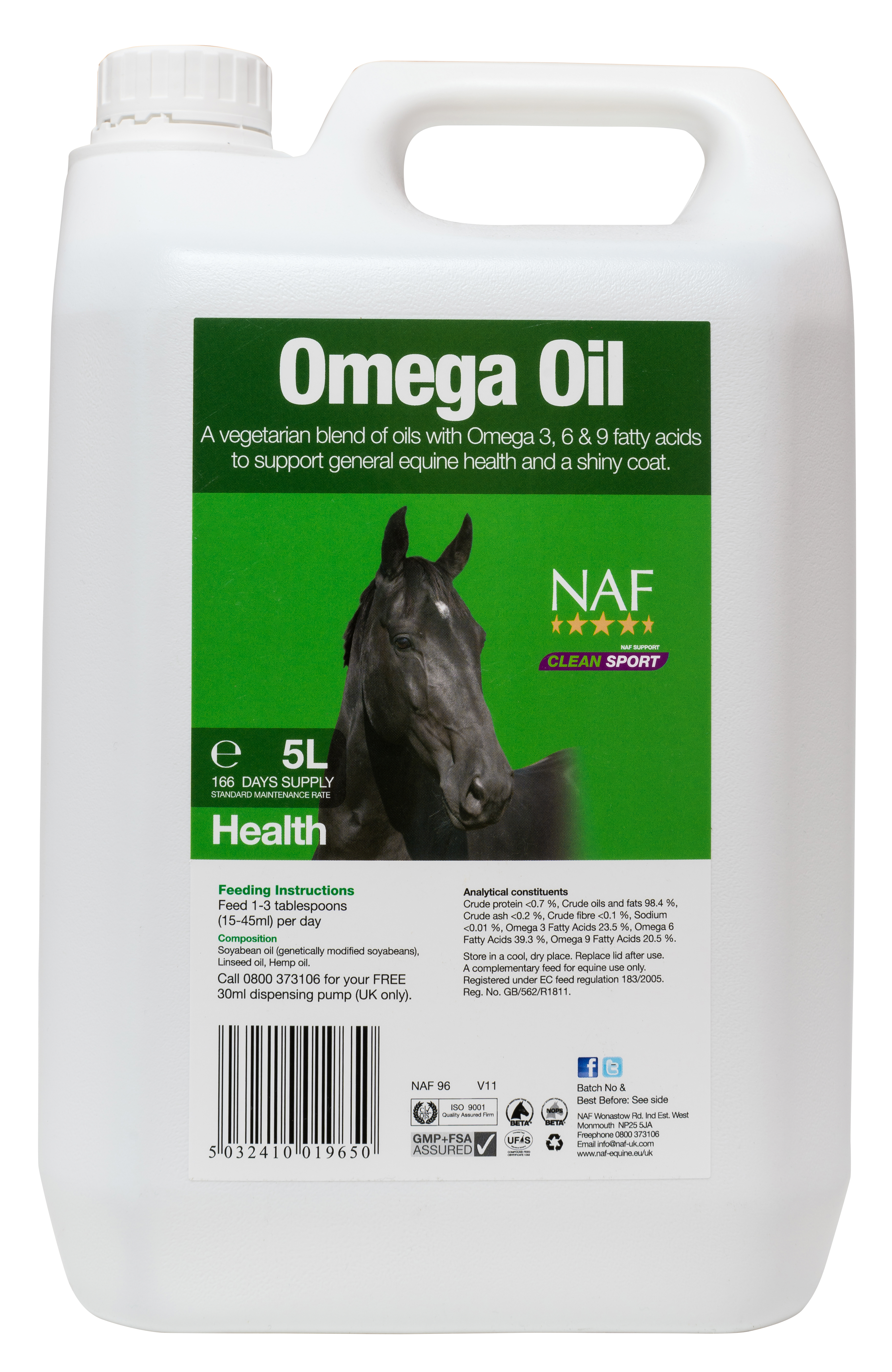
Omega Oil
Omega oils 3, 6 and 9 have multiple beneficial qualities for health. For horses not gaining weight, Omega oils are a slow-release energy source that is efficiently metabolized by the horse.
DIARRHEA AND DIGESTIVE DISORDERS
The causes of digestive disorders in horses can be very varied: changes in diet, nerves, stress, etc.
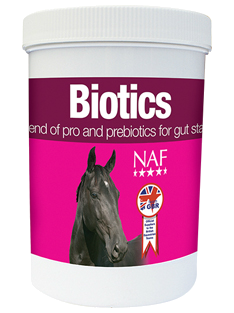
Biotics
A perfect combination of prebiotics and probiotics designed to reinforce and stabilize the natural microbiota.

Floryboost
Prebiotic in a practical syringe that protects and stimulates the intestinal flora in cases of digestive disorders in foals and horses.
SAND INGESTION
When grazing on dry, dusty or sandy soils, horses can ingest large amounts of sand. If the sand accumulates in the intestine, it can cause injuries and digestive discomfort. Horses are at risk of suffering from sand colic.
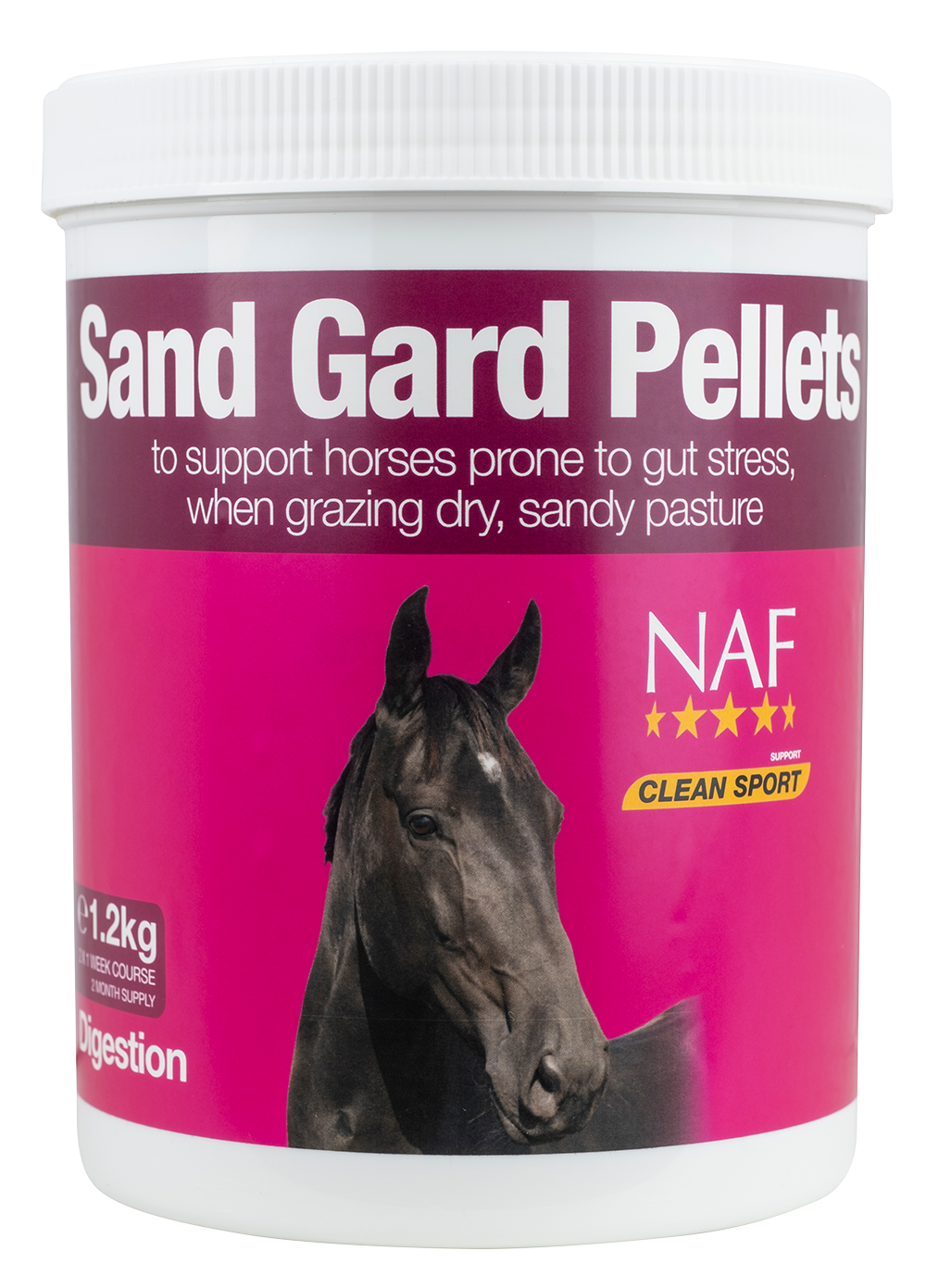
Sand Gard
It favors the intestine's natural peristalsis and contains ingredients such as Psyllium, also known as Plantago Ovata, which allows the natural elimination of sand accumulated in the intestine by forming a gel with the sand and facilitating its expulsion. Also, it provides live probiotic yeasts to promote intestinal flora.
MAINTENANCE AND RECOVERY
If your horse is prone to suffering from digestive disorders or is recovering from illness or antibiotic treatment, we can help him maintain better digestive health.

GastriAid
The best option to provide daily protection for gastric problems. Absorbs excess acid, helps fiber absorption, and maintains the pH. Contains antacids, prebiotics and probiotics, which offer the maintenance and protection that the stomach needs.

Digestive
With a high content of enzymes and yeasts, it improves the digestive system's function to achieve optimal assimilation and utilization of the nutritional ingredients of the horse's diet. Recommended as a restorative treatment during or after the administration of antibiotics.
GASTRIC ULCERS
Although they may not be immediately apparent, ulcers are a very common problem among leisure, performance and, especially, racing horses. Symptoms can be subtle and intermittent, such as lack of appetite, changes in attitude, lack of energy, etc., which makes them easy to miss and difficult to diagnose.
The main causes of stomach ulceration are intermittent diets, stress, intense efforts and prolonged administration of drugs.
The main causes of stomach ulceration are intermittent diets, stress, intense efforts and prolonged administration of drugs.
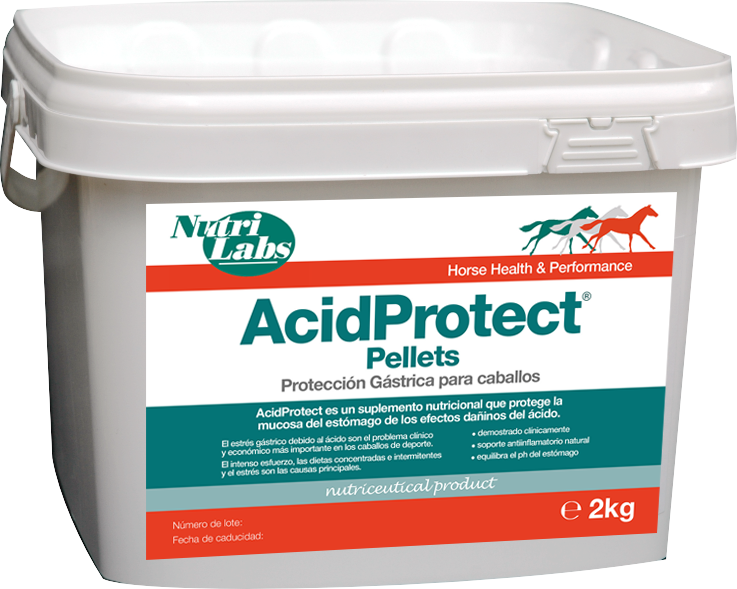
Acid Protect
Offers natural antiinflammatory support and maintains the pH of the stomach within neutrality, achieving:
Improve the severity of ulcers
Reduce the number of gastric ulcers
Recover the horse's well-being and performance
It is a natural alternative to traditional drugs. Indicated for sport and competition horses, as well as any horse with symptoms of gastric ulcers.
As always, if you observe any problems, consult your veterinarian before making any changes to the horse's diet to correct them or administering any drugs.
