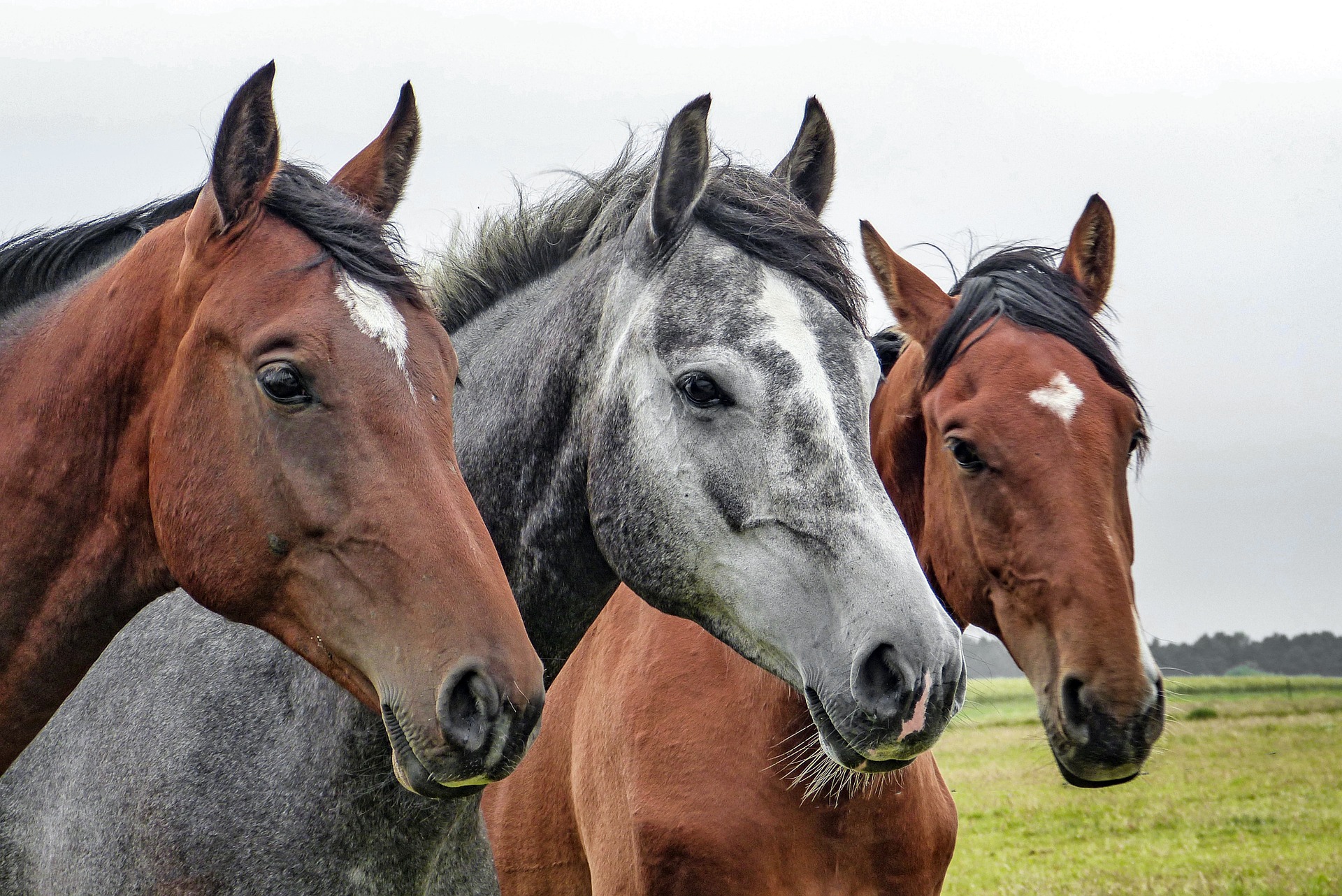
GASTRIC ULCERS IN HORSES
Wednesday 15 April 2026
Gastric ulcers are one of the most common digestive problems in horses, especially in those subjected to training, transport, competition, or frequent changes in management and feeding. Changes in behavior, lack of energy, weight loss, or a “dull” attitude may be the first signs of a digestive issue that can seriously affect performance, welfare, and behavior.
Effective management of this condition combines nutritional management, stress reduction, and specific pharmacological treatment aimed at reducing gastric acidity and promoting mucosal recovery.
WHAT ARE GASTRIC ULCERS?
Gastric ulcers are lesions in the stomach lining caused by an imbalance between gastric acidity and the lack of natural protection of the stomach wall.
Their development is closely linked to the horse’s daily management. The horse’s stomach produces acid continuously, even in the absence of food, making it particularly vulnerable when:
- Long periods without access to forage.
- Diets high in concentrates and low in forage.
- Stress from training, competition, transport, or prolonged stabling…
- Sudden changes in routine or diet.
MOST COMMON SYMPTOMS
Early detection is key, as signs are not always obvious. Some of the most common include:
- Loss of appetite or reduced feed intake.
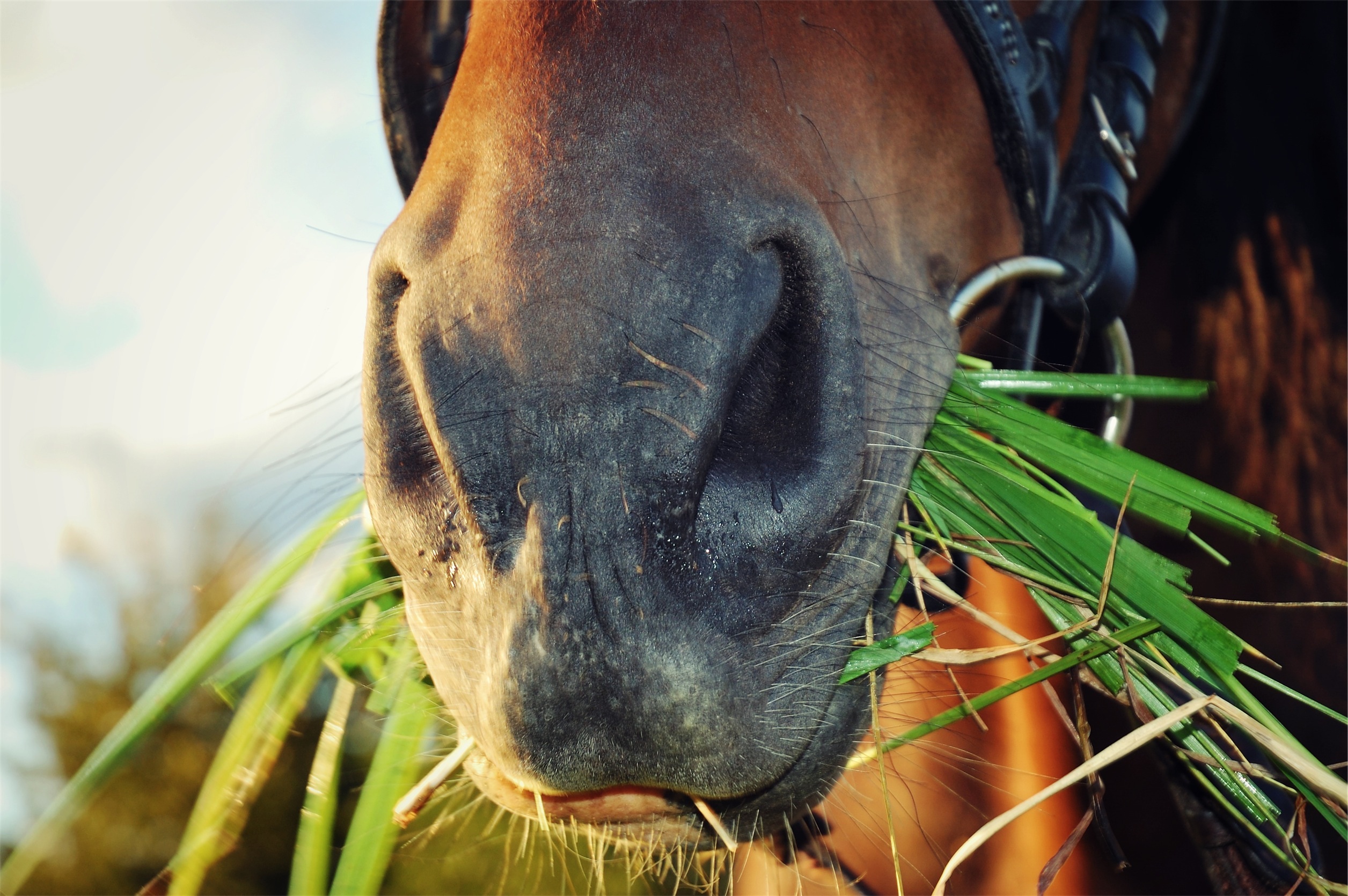
- Weight loss or difficulty maintaining it.
- Decreased athletic performance withou an apparent cause.
- Behavioral changes (irritability, apathy, or aggression).
- Mild abdominal pain or recurrent colic.
- Dull coat or general deterioratiion of body condition.
In many cases, these signs are mistaken for stress, overtraining, or management issues, which delays diagnosis.
DIAGNOSIS AND MANAGEMENT OF THE PROBLEM
Definitive diagnosis of gastric ulcers is made through gastroscopy, allowing direct assessment of the gastric mucosa.
Once detected, treatment should focus on two main objectives:
- Inhibit or reduce gastric acid production.
- Promote protection and regeneration of the mucosa.
THERAPEUTIC OPTIONS
Pharmacological treatment is usually based on veterinary protocols combining different mechanisms of action. Among the most commonly used options are:
GASTROGARD
It is one of the most recognized treatments for controlling gastric acidity in horses. Its active ingredient is also a proton pump inhibitor, widely studied and used in gastric acid control.
Mechanism of action
Inhibits acid production in the stomach.
Promotes healing of gastric lesions.
Reduces mucosal irritation.
Clinical use
Primarily indicated for:
Treatment and healing of diagnosed gastric ulcers.
Prevention in high-performance horses.
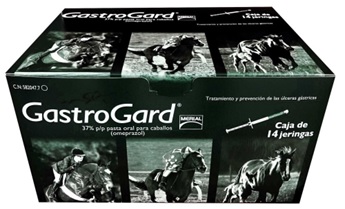
BIMEPRAZOLE
It is a proton pump inhibitor (PPI), a group of drugs that act directly on the parietal cells of the stomach, strongly and consistently reducing hydrochloric acid production.
Mechanism of action
Blocks the enzyme responsible for acid secretion.
Reduces gastric acidity.
Allows the damaged mucosa to regenerate in a favorable environment.
Its prolonged effect helps maintain stable gastric pH control.
Clinical use
Commonly used in:
Treatment of diagnosed gastric ulcers.
Horses in intensive training or competition.
Digestive risk situations (stress, transport, dietary changes).
PEPTIZOLE
Contributes to the protection of the gastric mucosa and supports recovery of damaged tissue. Its main advantage is that it does not act by directly reducing acid, but by improving the stomach’s natural protection, which is why it is often combined with acid secretion inhibitors.
Mechanism of action
Forms a protective layer over the gastric mucosa.
Promotes repair of damaged tissues.
Helps reduce local irritation.
Clinical use
Used as:
A complement to anti-ulcer treatments.
Support during recovery phases.
Reinforcement in horses with gastric sensitivity.

COMBINED THERAPY
In veterinary practice, the best results are achieved through a combined approach that may include:
Proton pump inhibitors (Bimeprazole or Gastrogard).
Mucosal protectants (Peptizole).
Appropriate nutritional management.
Stress control and training adjustment.
This strategy addresses both the cause and consequences of the disease.
PREVENTION: THE KEY TO SUCCESS
No pharmacological treatment is fully effective without proper horse management:
Continuous access to forage.
Reducing fasting periods.
Dividing concentrate rations into several feedings.
Minimizing stress.
Adapting training to the horse’s condition.
Good daily management can significantly reduce the risk of gastric ulcers.
ACID PROTECT
Nutritional support for gastric balance in horses
The horse’s stomach is physiologically designed to produce acid continuously, as under natural conditions the animal feeds almost constantly. However, modern management practices — including high-concentrate diets, fasting periods, and increased physical demands — can disrupt this balance and promote the development of gastric issues.
ACID PROTECT is a nutritional supplement formulated to support digestive health in horses, helping maintain the integrity of the gastric mucosa and contributing to the stabilization of the stomach’s acidic environment.
Key benefits:
-
Supports gastric pH balance.
-
Helps maintain and protect the digestive mucosa.
-
Provides nutritional support for horses under intense physical effort or stress.
-
Particularly suitable for horses on high-concentrate diets or irregular feeding management.
Its use can be integrated into a comprehensive digestive care strategy, complementing proper nutritional management and supporting overall equine well-being.

CONCLUSION
Gastric ulcers are a common but manageable problem if detected early and treated correctly.
The combination of proper diagnosis, adequate nutritional management, and specific therapeutic protocols – such as Bimeprazole, Gastrogard, or Peptizole – can make a significant difference in both digestive health and performance.
If there is any suspicion, veterinary evaluation is always recommended to establish the most appropriate treatment.