
Horse coat shedding: How to care for your horse's skin and coat
Thursday 12 November 2026With the arrival of spring and autumn, many horse owners notice that their horses start shedding more hair than usual. This process, known as shedding, is part of the natural coat cycle and allows horses to adapt to changes in temperature and environmental conditions.
Although it is a normal process, this stage calls for special attention to grooming, skin condition and nutrition. Proper care helps keep the coat clean and makes it easier to identify potential skin problems at an early stage.
Why do horses shed their coats?
Coat changes are mainly linked to the number of daylight hours, although temperature, breed, age, nutritional status and living conditions can also play a role.
In general, horses develop a thicker coat during the colder months and gradually shed it as daylight hours increase and temperatures rise. In autumn, the process is reversed to prepare the animal for winter.
Not all horses shed their coats in exactly the same way. Some lose their hair gradually, while others may experience periods when shedding becomes much more noticeable.
When do horses shed their coats?
Although this depends on environmental conditions and the individual horse, there are generally two main shedding periods: 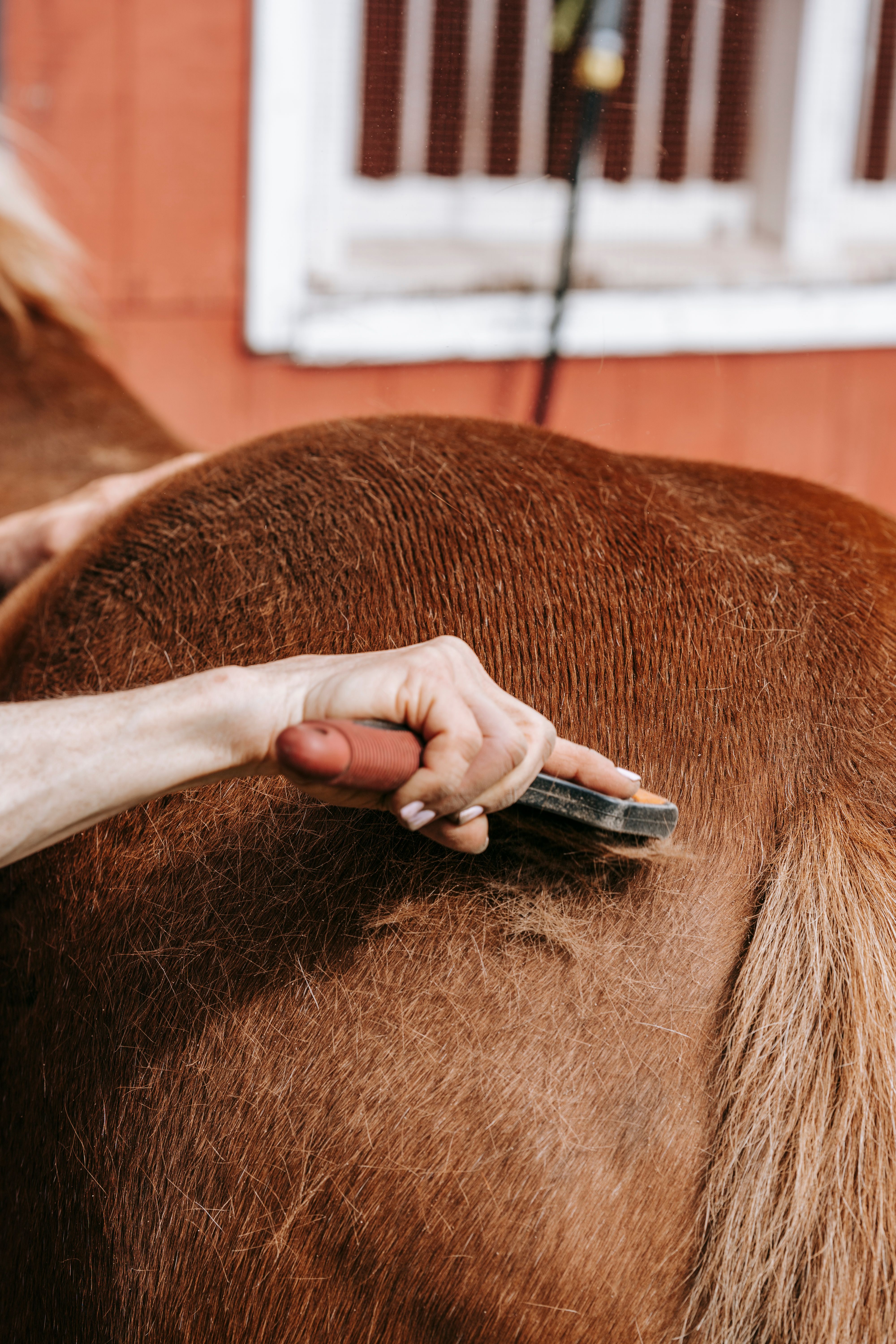
Spring shedding. As the days become longer, horses begin to shed their thicker winter coats. During this period, it is common to find large amounts of loose hair when grooming.
Autumn shedding. As daylight hours decrease, horses begin to develop a thicker coat that helps them cope with lower temperatures.
Horses kept in stables, exposed to artificial lighting or living in more stable environmental conditions may show different shedding patterns.
If hair loss is very localised or bald patches, scabs, intense itching or lesions appear, these signs should not automatically be attributed to seasonal shedding.
5 tips for caring for your horse's coat during shedding season
1. Groom your horse regularly
Grooming helps remove dead hair, eliminate dirt and keep the coat in good condition.
During shedding season, it may be useful to increase grooming frequency according to the horse's needs. It is advisable to use tools suitable for its coat type and work gently, especially around sensitive areas.
Grooming tools should also be cleaned regularly to prevent dirt and loose hair from building up.
2. Check your horse's skin condition
Shedding season is a good opportunity to take a closer look at your horse's skin, as loose hair can hide minor injuries or skin abnormalities.
When grooming, pay particular attention to areas where moisture or dirt tends to accumulate, as well as the mane, tail, limbs and areas where tack causes friction. 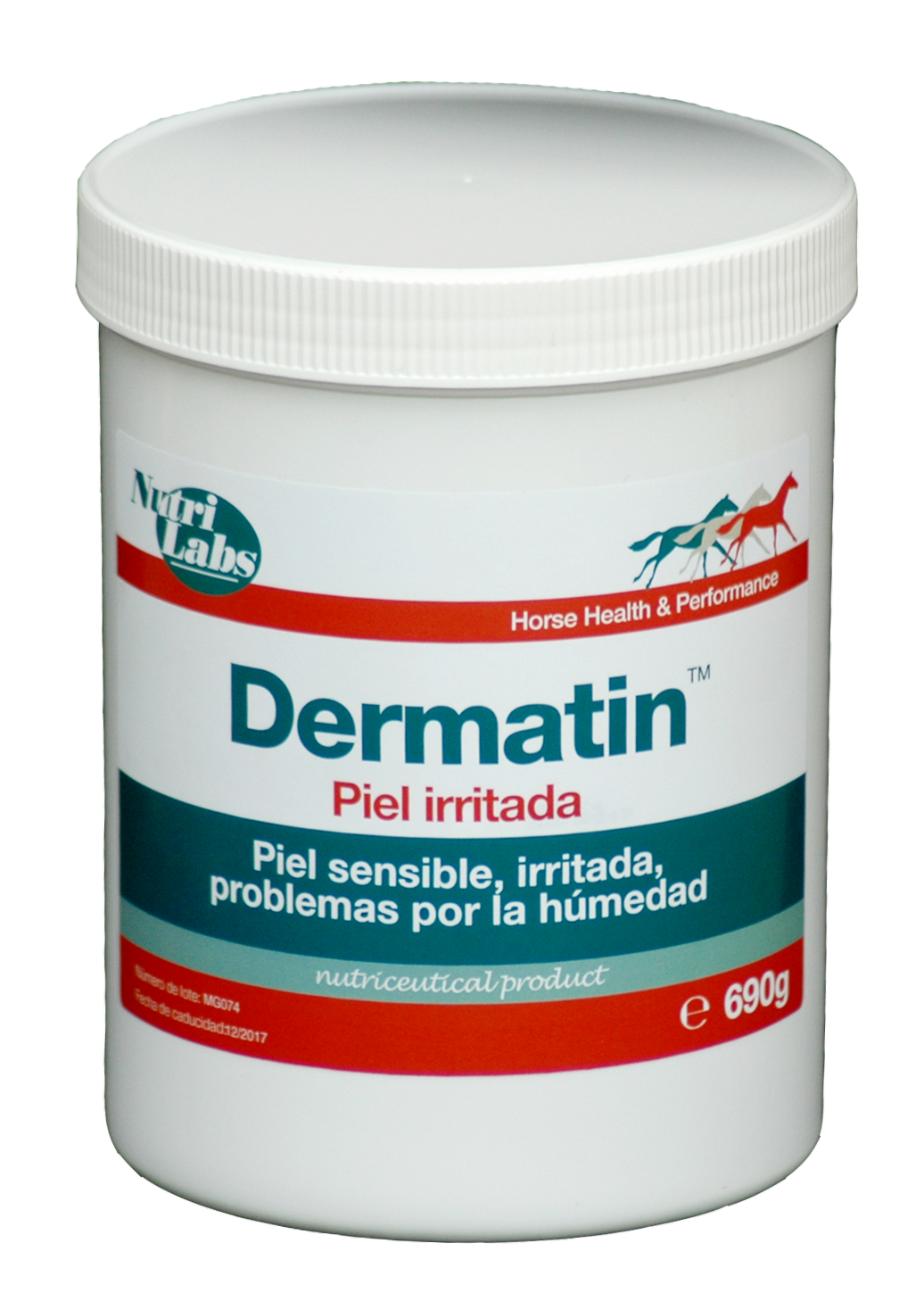
Look out for signs such as redness, scabs, wounds, flaking, itching or hair loss in specific areas. These signs can have different causes and should be properly assessed if they persist or worsen.
In these cases, specific products such as DERMATIN may be a complementary option as part of a skin care plan. This supplement stands out for its combination of MSM, zinc, vitamin B2, vitamin C and other ingredients, including plant extracts and brewer's yeast. Its formulation is designed to complement the diet during periods when the skin requires specific nutritional support.
3. Look after your horse's diet to support a healthy coat
Coat quality is closely linked to a horse's overall nutritional status. A balanced diet should provide sufficient energy, protein, vitamins and minerals to meet its needs.
Nutrients that play an important role in maintaining normal skin and hair include zinc, copper and certain amino acids, alongside other essential nutrients.
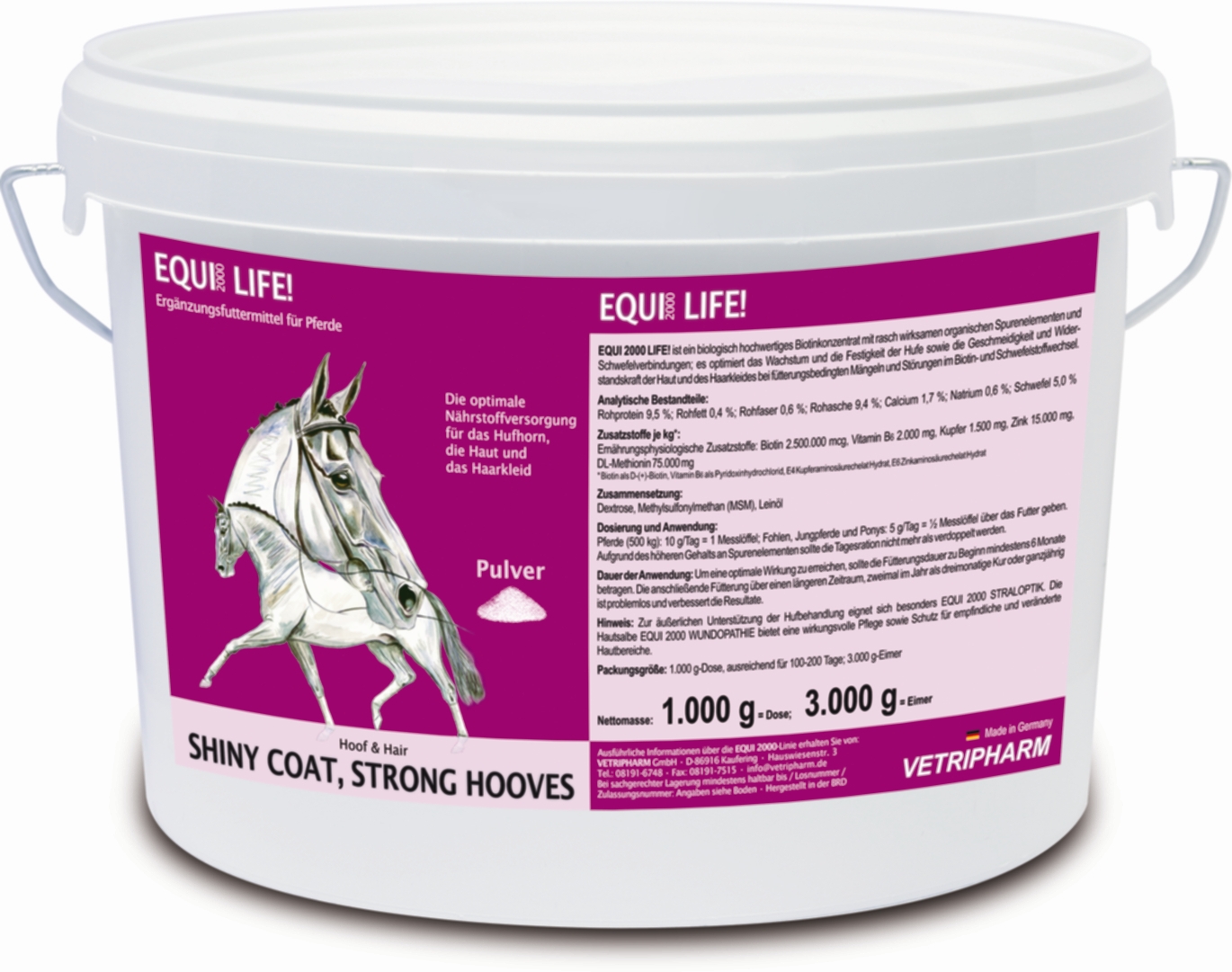
- EQUI 2000 LIFE: stands out for its high concentration of biotin, combined with vitamin B6, zinc, copper, MSM and methionine. These nutrients contribute to tissue maintenance and are involved in processes related to the skin, coat and hoof structure.
Biotin is particularly well known for its connection with hoof quality and growth. In addition, zinc and certain amino acids are also important for maintaining healthy skin and a healthy coat.
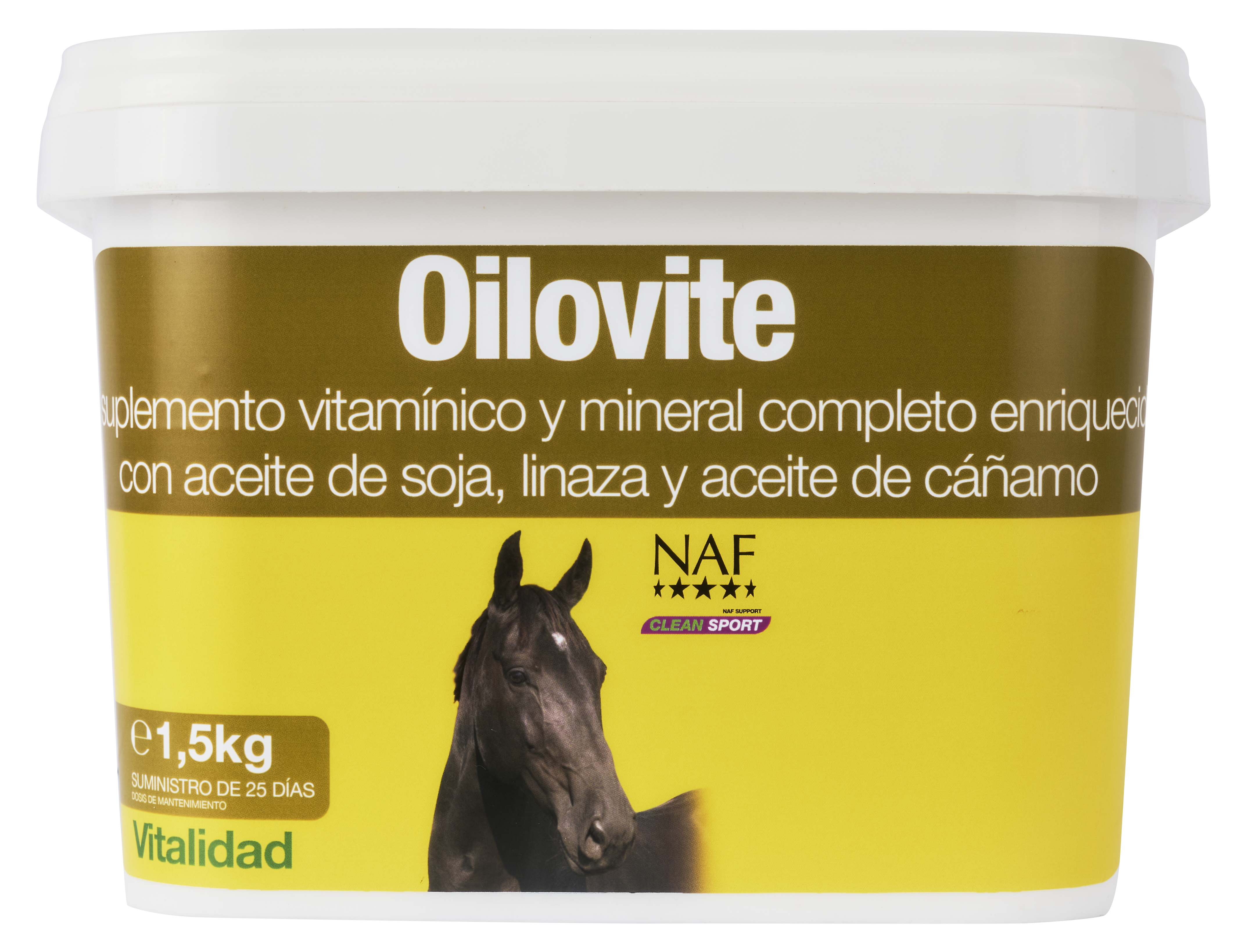
- OILOVITE: offers a broader nutritional approach. It is a vitamin and mineral supplement containing amino acids, trace elements and various vegetable oils, including soybean, linseed and hemp oil.
Its formulation includes nutrients such as zinc, copper, selenium and biotin, as well as vitamins A, D and E and B-group vitamins, among other ingredients.
These nutrients are involved in various bodily functions, and a diet that meets the horse's nutritional requirements is essential for maintaining healthy skin and a coat in good condition.
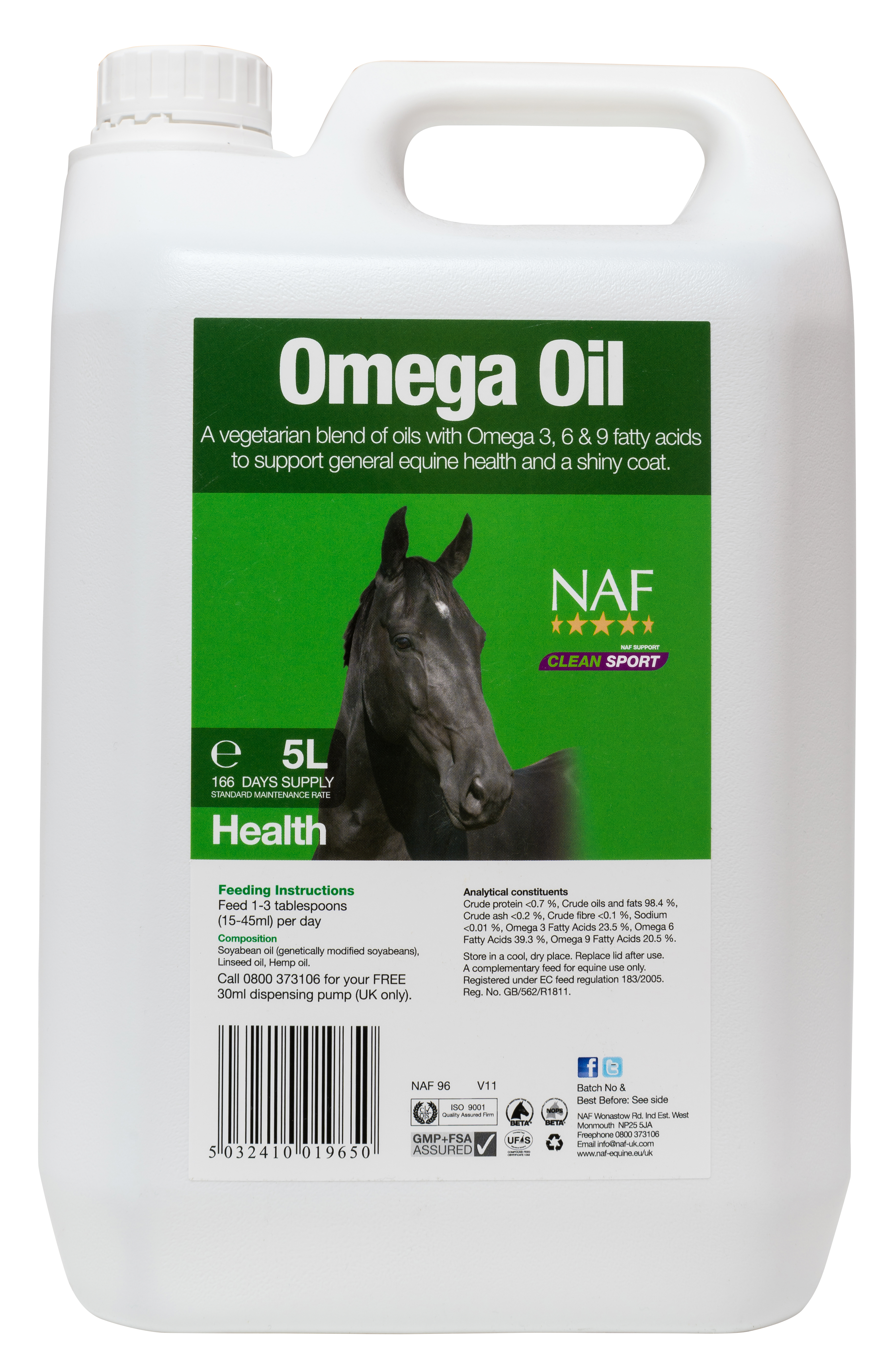
- OMEGA OIL: is a blend of soybean and linseed vegetable oils that provides omega-3, omega-6 and omega-9 fatty acids. Its composition is notable for its high oil and fat content, which provides a concentrated source of energy.
Fatty acids are part of a horse's nutritional requirements and contribute to maintaining various physiological functions. As part of a well-balanced diet, adding fats can also help meet energy requirements without excessively increasing the volume of feed.
4. Maintain good hygiene without over-washing
During shedding season, grooming is usually enough to remove much of the dead hair and accumulated dirt.
If your horse needs a bath, use products suitable for its skin and rinse thoroughly to remove any residue. It is also important to avoid leaving the horse wet for prolonged periods when environmental conditions are cold.
Excessive washing or using unsuitable products can dry out or irritate the skin.
5. Control parasites and environmental factors
External parasites, allergies, certain infections and friction caused by tack can lead to coat changes that may be mistaken for irregular shedding.
Maintaining good hygiene of grooming equipment, managing environmental factors and checking the skin regularly can help identify potential problems.
If hairless patches, circular lesions, intense itching or persistent hair loss appear, consult a veterinarian before applying any treatments yourself.
When might a nutritional supplement for skin and coat be useful?
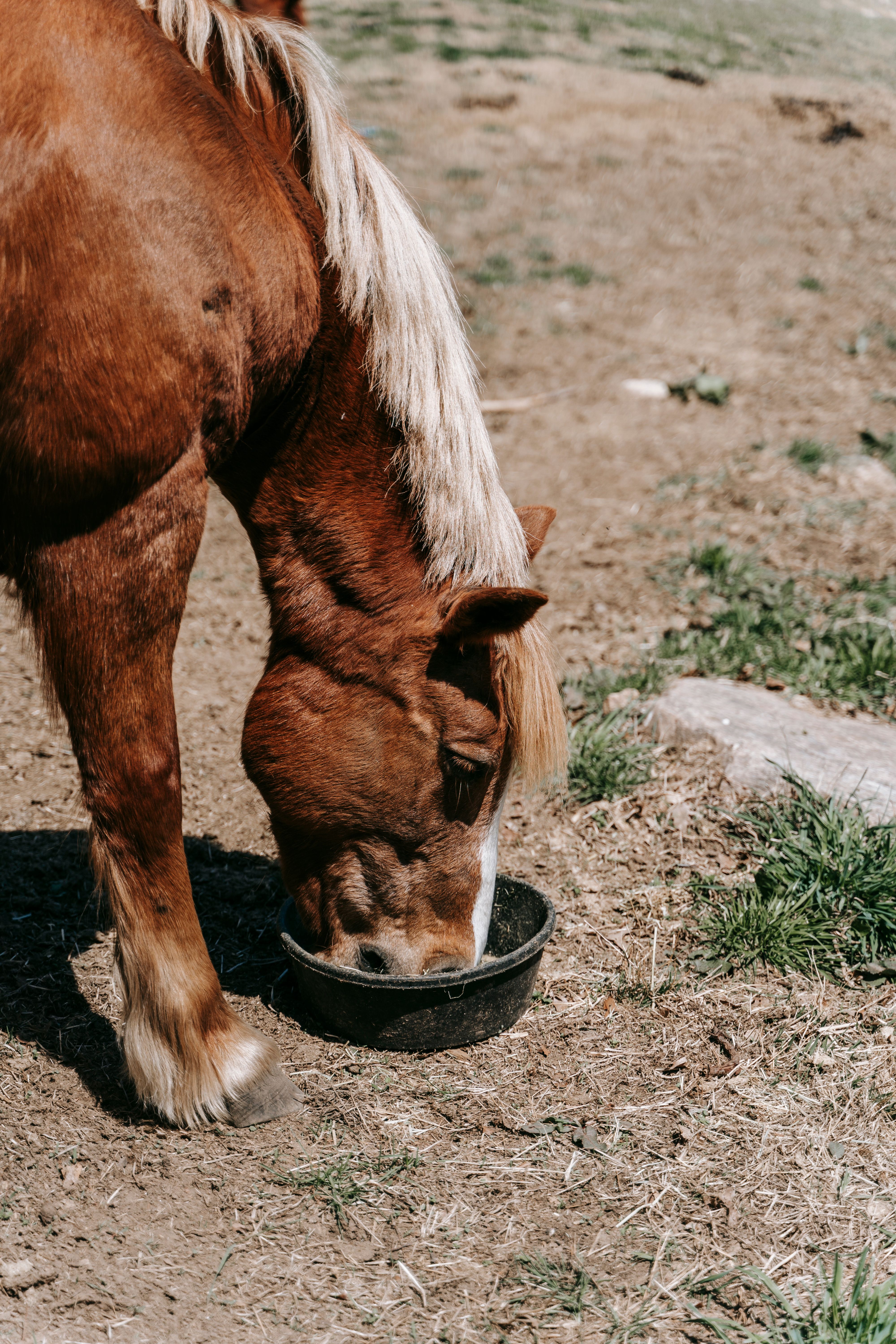
In certain cases, a nutritional supplement may help complement the diet when there are specific nutritional requirements related to maintaining healthy skin and coat.
However, it is important to distinguish between normal shedding and a dermatological or nutritional problem. Seasonal hair loss alone does not mean that a horse needs a supplement.
What signs indicate that hair loss is not normal?
Although shedding is generally a physiological process, some situations require attention:
- The appearance of bald patches or localised areas of hair loss.
- Intense itching or frequent scratching.
- The presence of scabs, wounds, flaking or redness.
- Hair loss accompanied by changes in behaviour or general health.
- Skin or coat abnormalities that persist outside the usual shedding periods.
These signs may be associated with skin conditions, parasites, infections, allergies or other causes. A veterinary assessment makes it possible to establish a diagnosis and select the appropriate treatment.
Horse coat shedding: the importance of daily care
Shedding is part of a horse's natural cycle and, in most cases, does not require any special measures beyond a good daily care routine. Regular grooming, monitoring the skin, providing a balanced diet and maintaining appropriate hygiene conditions are the foundations of keeping the coat in good condition.
Furthermore, paying attention to the changes that occur during this stage helps distinguish normal shedding from potential problems that require professional attention.
