
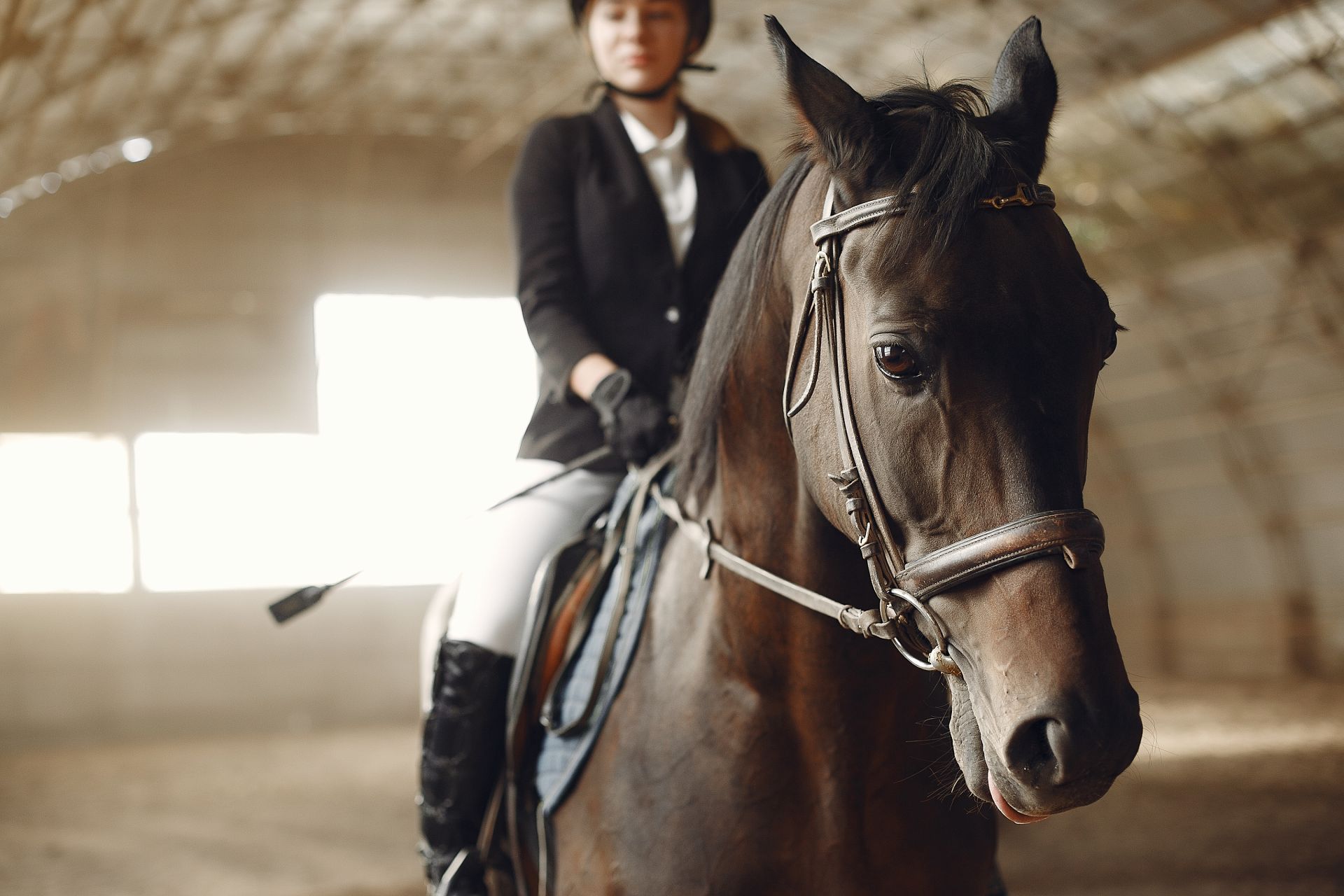
Nervousness, stress, and behavioral problems
Friday 04 September 2026Behavioral issues are difficult to resolve—both for us and for the horse—and before assuming we have a stubborn horse, we must rule out any underlying cause for its refusal to cooperate.
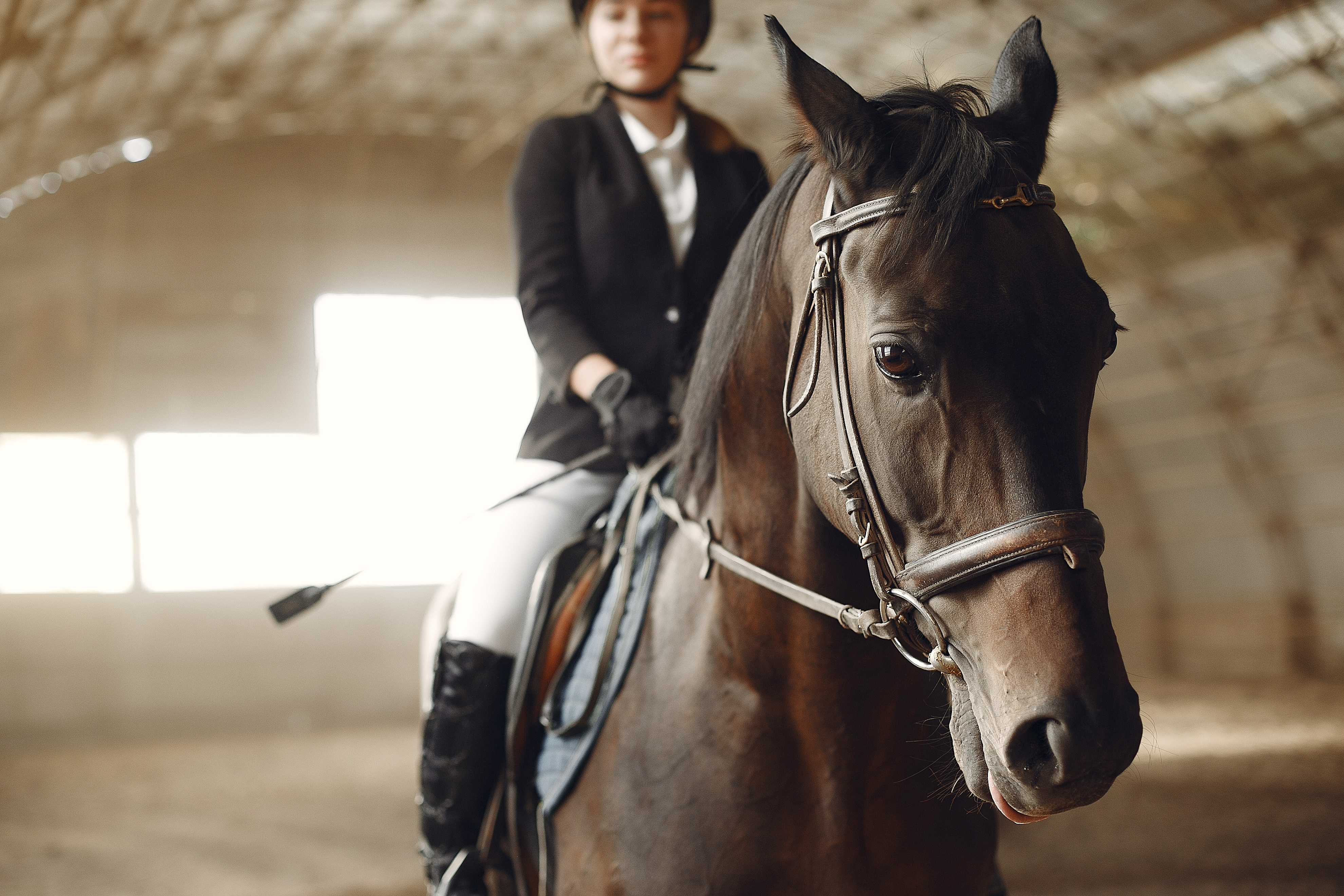
The most obvious causes of bad behavior are:
- Pain, since a horse in pain is under stress and may react unexpectedly.
- Confusion: we often use punishment inappropriately without first understanding the signals the horse is sending us. Confusion is one of the most common causes of behavioral problems during training.
- Bad experiences, as horses have a perfect memory of where the incident occurred and the person involved.
Stress and its effects
When a horse feels stressed or frightened, it produces adrenaline—which is necessary for it to break into a run immediately. However, an excess of adrenaline prevents the horse from relaxing, leaving it in a state of heightened agitation and constant pressure, resulting in suffering.

We must distinguish between four types of stress in horses, each with a different origin:
- Behavioral stress: horses do not view the world the same way we do; their vision differs, and their hearing is keener than ours. This may explain why a horse might suddenly shy away or become startled without any apparent cause. A stressed horse is typically agitated, displaying a tense body, ears pinned back, and a raised head.
- Mechanical stress: stress levels also rise if the animal suffers from an injury—such as lameness or inflammation—or a systemic illness. Demanding physical effort from an animal that is not in optimal condition can lead to frustration.
- Nutritional stress: the equine digestive system is designed to process food throughout the day, with a large proportion consisting of forage. Consequently, rationing feed is merely a way of imposing human habits on the animals' primal instincts.
- Immunological stress: as previously mentioned, a weakened immune system increases susceptibility to viral or bacterial infections. Therefore, maintaining an appropriate deworming and/or vaccination schedule is crucial.
Identifying the specific type of stress involved is essential for determining the right solution.
Solutions to behavioral problems
4 options for 4 different situations:
1. Transport, gatherings, routes, processions, and pilgrimages
There are times of heightened stress for the horse that often lead to situations that are difficult to manage. On these occasions, even a calm horse may not behave as usual, appearing restless or nervous. When one of these moments approaches—such as transport, gatherings, trail rides, or outings where the horse must share space with others—we can take proactive steps to prepare the horse and help it remain calmer.
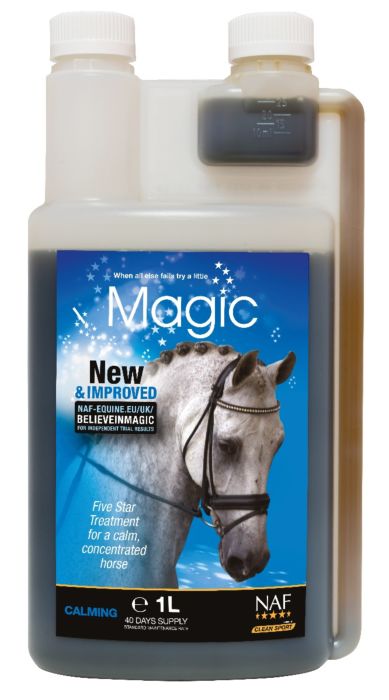
MAGIC LIQUID is formulated with highly bioavailable magnesium and a blend of traditional herbs to combat stress and anxiety in horses. It is a fast-acting, effective solution for a calm and focused horse.
Dosage: 25 ml/day.
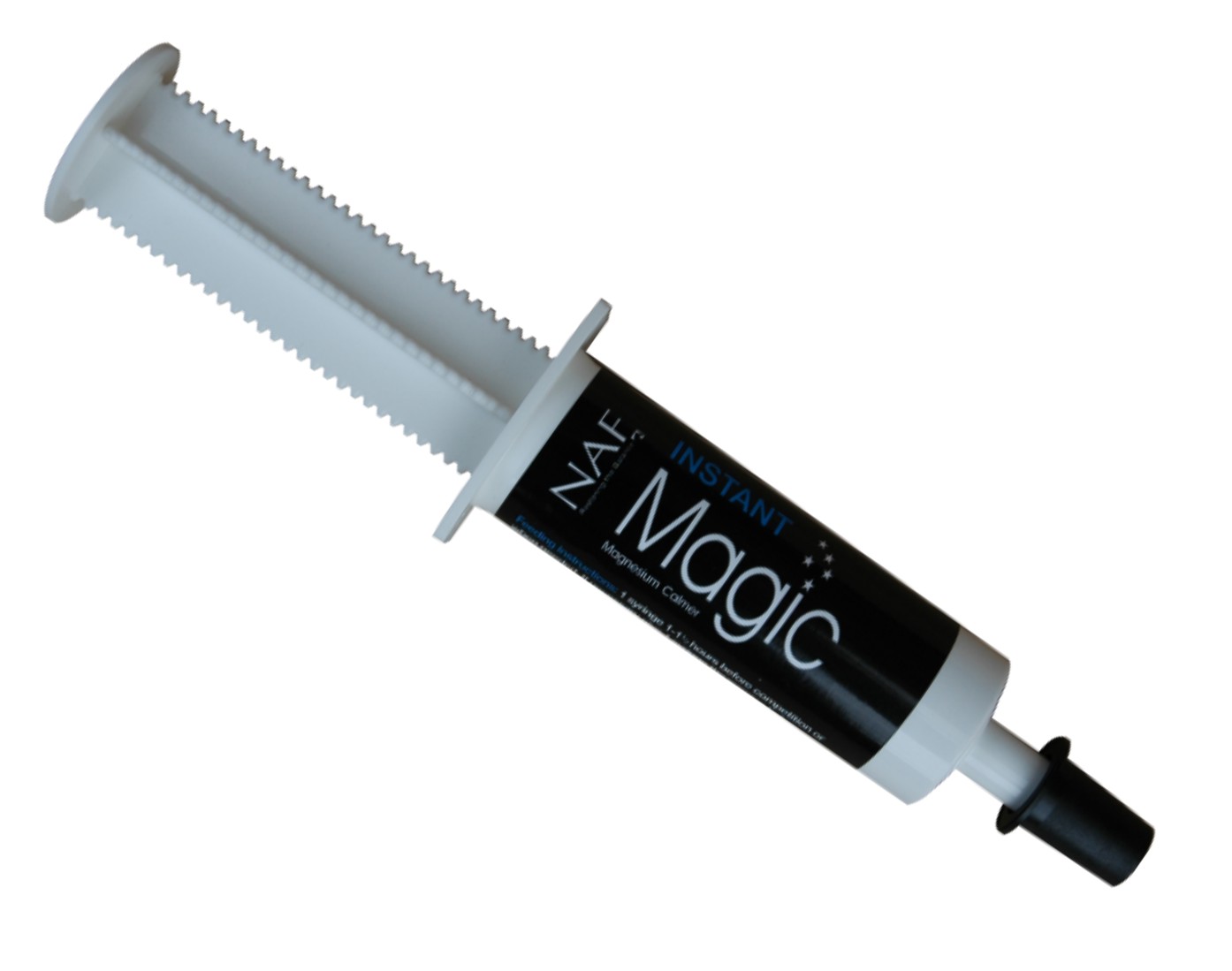
MAGIC INSTANT syringes provide a rapid calming effect.
They take effect in less than an hour and work all day long. Administer one syringe an hour and a half before the event.
2. Training: young, inexperienced, unfocused horses.
During training, the horse is desensitized to its fears so that it learns to trust the handler. However, if this process is not carried out correctly, the horse may freeze up completely whenever it is exposed to the situation that terrifies it.
Using the right supplement helps the horse focus on the exercise or training.
Using the right supplement helps the horse focus on the exercise or training.
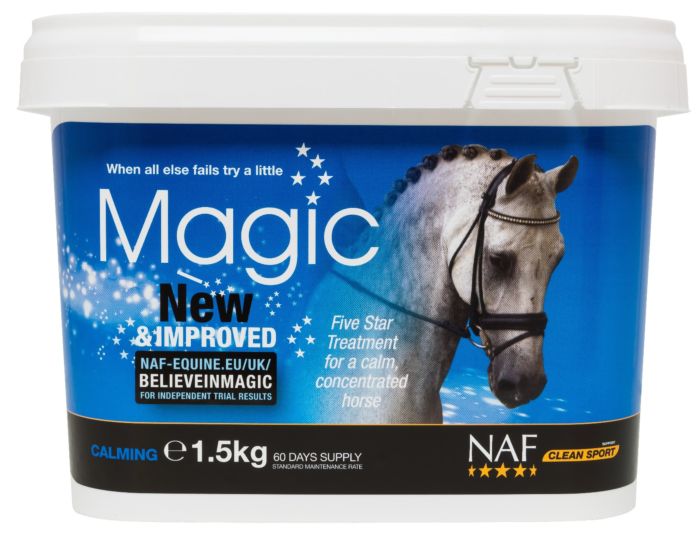
MAGIC 5 STAR combines highly bioavailable magnesium with herbs known for their calming properties. It is ideal for all sport and competition horses. It is also particularly suitable for young, anxious horses that lack experience or struggle to focus.
3. Mood and behavioral changes in mares and stallions
When a mare exhibits mood swings, poor performance, restricted movement, hypersensitivity to touch, or a "cold back," the discomfort may stem from hormonal imbalances. Stallions may also experience behavioral changes during the breeding season. In such cases, administering a product that helps restore hormonal balance—such as Control Mare—is recommended.
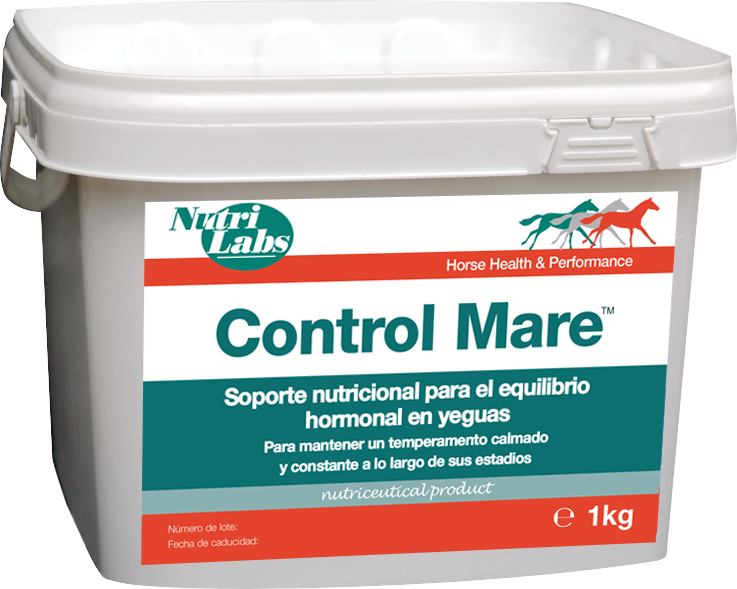
CONTROL MARE contains essential ingredients to soothe and regulate the reproductive system of mares: vitamins, amino acids, minerals, trace elements, natural anti-inflammatories, and antioxidants.
It also contains bioavailable magnesium to relax muscle tension and calm the horse. It is also rich in natural antioxidants.
4. Temperamental, nervous horses
For horses that are naturally temperamental, nervous, stressed, or excitable—where this is their habitual state—a longer, consistent treatment regimen based on tryptophan and magnesium is recommended. Additionally, this treatment can be supplemented with a targeted dose on the day of the event or competition.
EQUI 2000 TRYPTOMIX is formulated with tryptophan.
Daily administration (20g/day) ensures continuous mental well-being in horses with spirited temperaments.
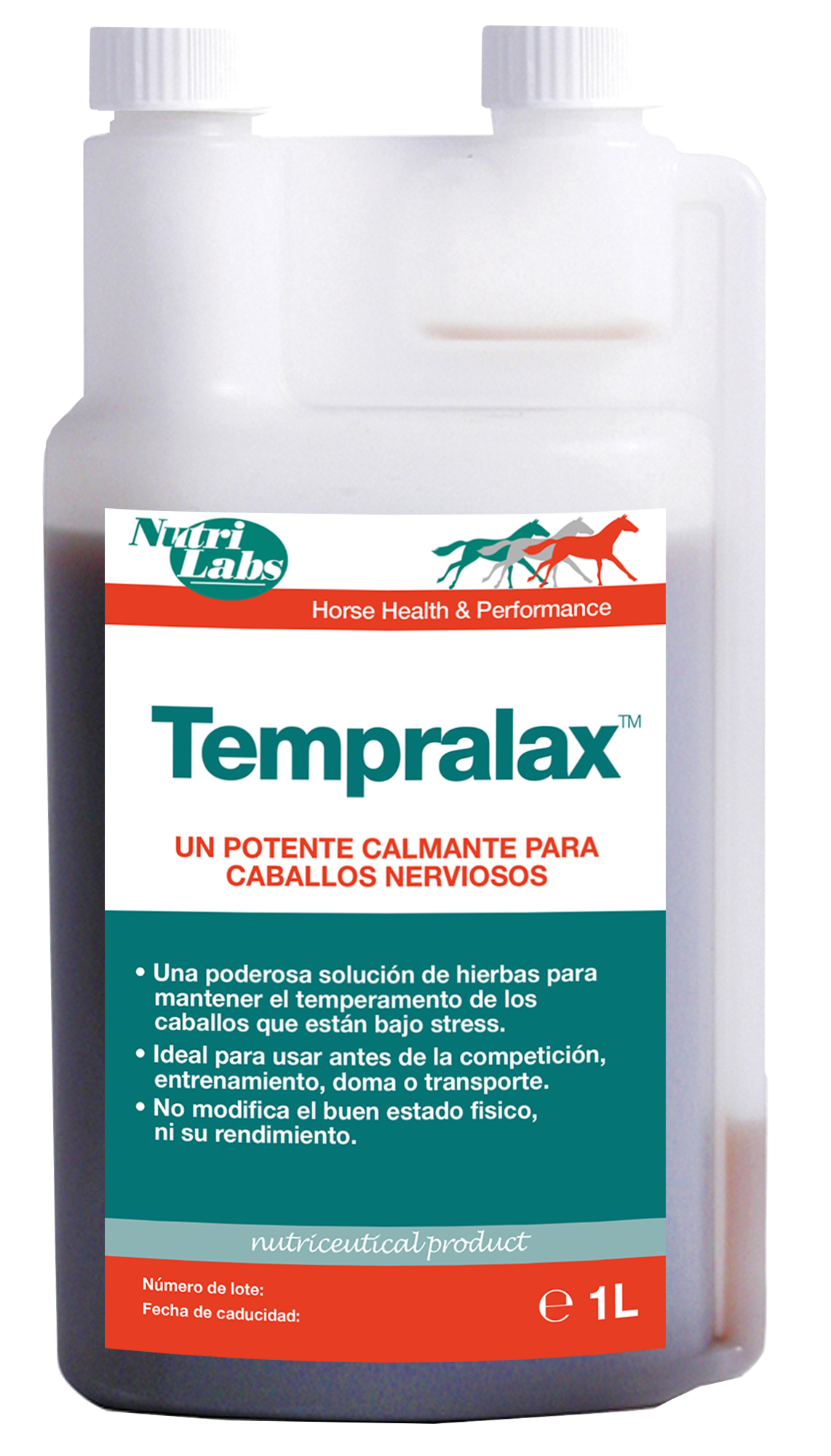
Administer TEMPRALAX—a potent natural calmer containing tryptophan and magnesium—two hours before the event, while the horse is still completely calm. Tempralax does not impair the horse's physical condition or performance.
