
Test SNAP Foal IgG
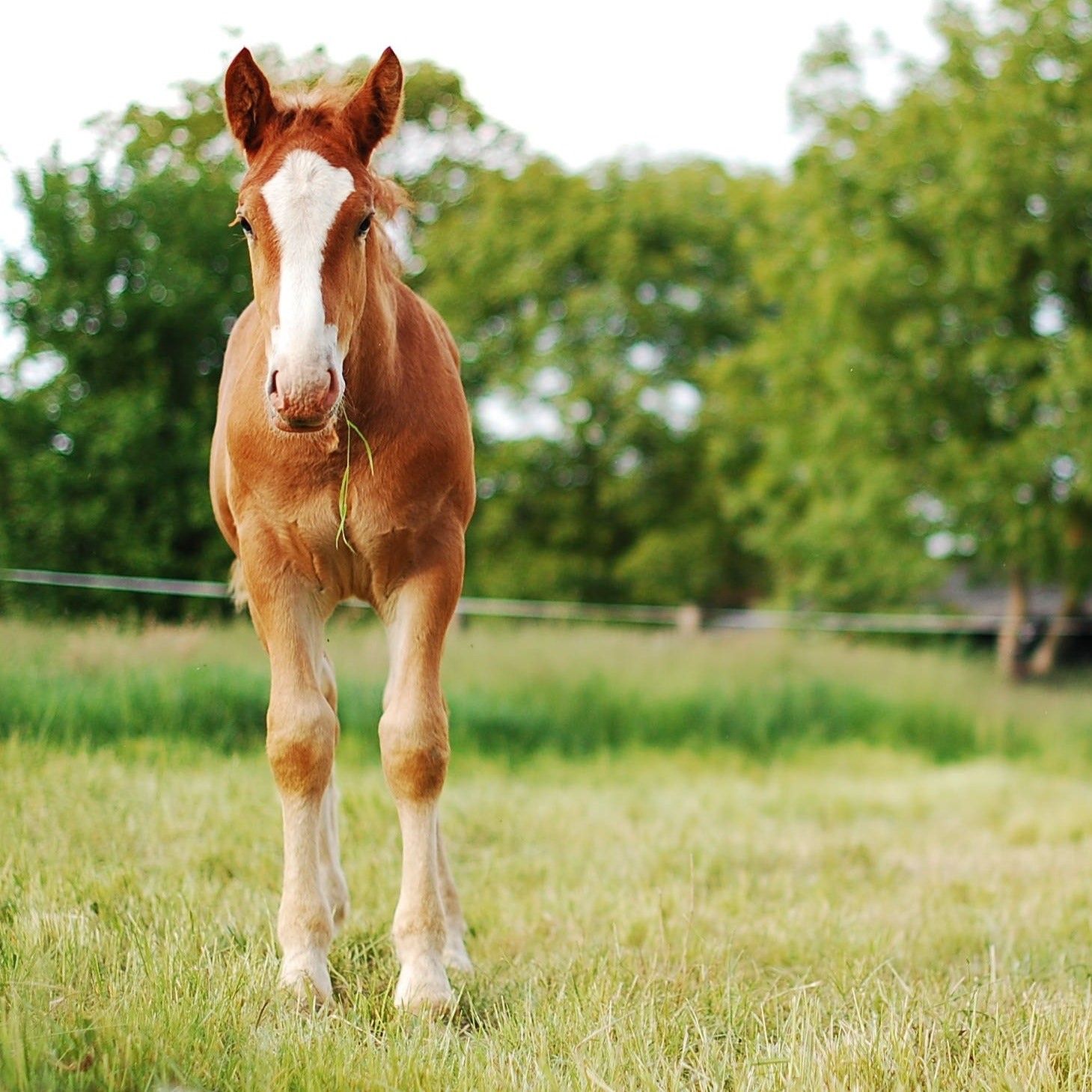
Friday 27 February 2026The birth of a foal is usually an exciting, yet critical moment. Much of its future is determined during the first hours of life, and in this context, there is one key word: immunity.
To understand why the SNAP Foal IgG test is so important, we first need to understand how a newborn foal is protected.
WHAT ARE IMMUNOGLOBULINS?
Immunoglobulins are antibodies-proteins of the immune system that help defend the foal against bacterial, viral, and other pathogen infections.
In newborn horses, they play a crucial role because foals are born with almost no immune protection of their own. Therefore, they rely entirely on an external source of antibodies during their first hours of life.
This raises a logical question:
How does a foal acquire this initial protection? The answer is colostrum.
THE ROLE OF COLOSTRUM
Colostrum is the first milk produced by the mare after giving birth and continas high concentrations of immunoglobulins such as IgG (the most important for foals). IgM and IgA.
The foal must ingest colostrum within the first 6-12 hours of life, because afterward, its intestines lose the ability to absorb these antibodies. This makes the first hours of life decisive.
To understand why the SNAP Foal IgG test is so important, we first need to understand how a newborn foal is protected.
WHAT ARE IMMUNOGLOBULINS?
Immunoglobulins are antibodies-proteins of the immune system that help defend the foal against bacterial, viral, and other pathogen infections.
In newborn horses, they play a crucial role because foals are born with almost no immune protection of their own. Therefore, they rely entirely on an external source of antibodies during their first hours of life.
This raises a logical question:
How does a foal acquire this initial protection? The answer is colostrum.
THE ROLE OF COLOSTRUM
Colostrum is the first milk produced by the mare after giving birth and continas high concentrations of immunoglobulins such as IgG (the most important for foals). IgM and IgA.
The foal must ingest colostrum within the first 6-12 hours of life, because afterward, its intestines lose the ability to absorb these antibodies. This makes the first hours of life decisive.
WHY IS IT SO IMPORTANT TOMEASURE IgG IN FOALS?
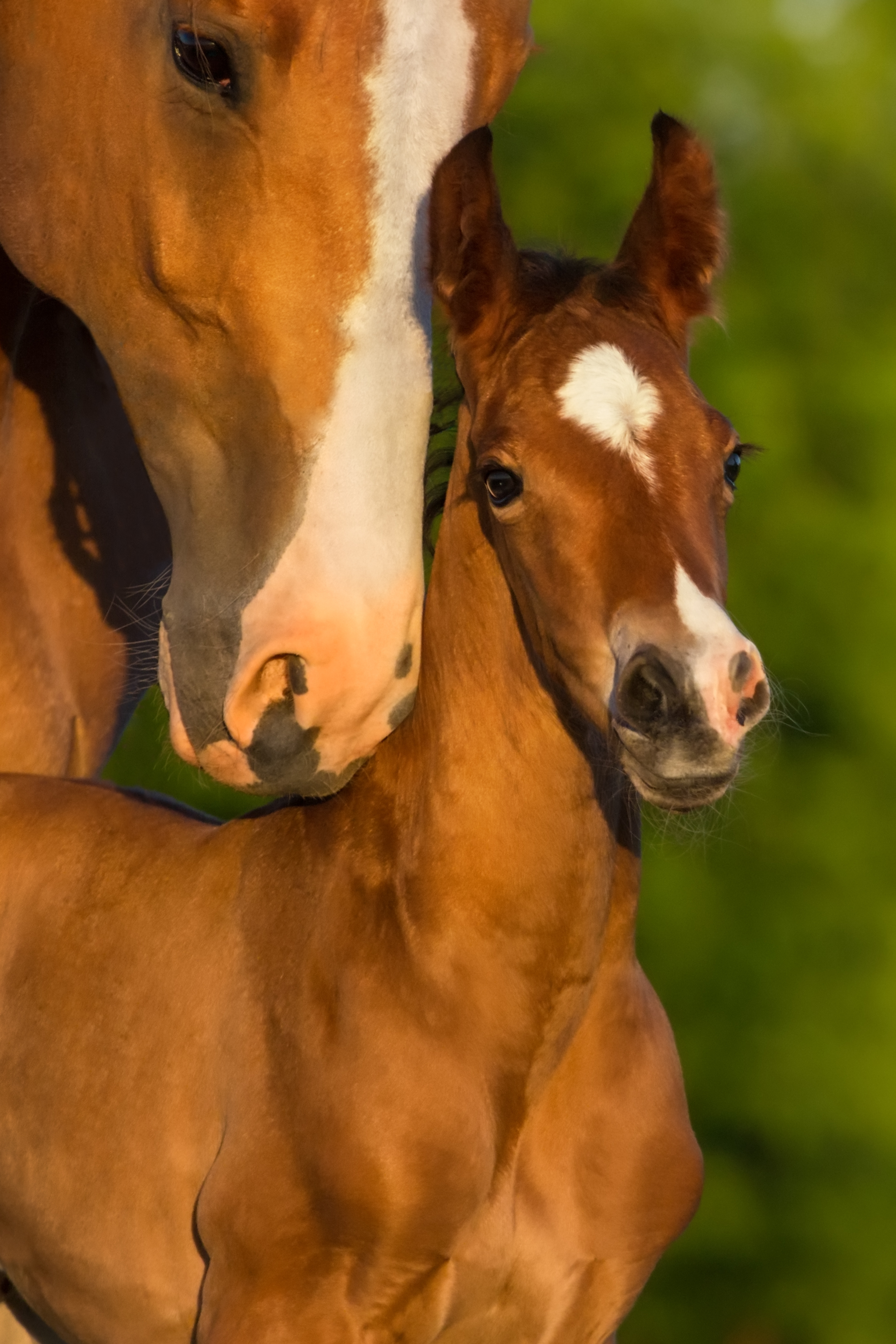
Unlike other species, the mare’s placenta does not allow antibodies to pass from the mother to the fetus during gestation. As a result, foals are born with virtually no acquired immunity.
Their only chance to gain protection is through colostrum.
However, passive transfer is not always sufficient. There may be issues with ingestion, colostrum quality, or intestinal absorption. For this reason, it is not enough to assume the foal has nursed; it is necessary to verify that passive transfer was effective.
WHAT HAPPENS IF THE FOAL DOES NOT RECIVE ENOUGH IMMUNOGLOBULINS?
When antibody absorption is insufficient, this is called failure of passive transfer (FTP), and it can predispose the foal to:
- Generalized infections
- Pneumonia
- Neonatal diarrhea (enteritis)
- Septicemia
- Septic arthritis
- Increased neonatal mortality
It is estimated that up to 25% of foals may have low IgG levels, even in well-managed farms.
Detecting it in time completely changes the prognosis.
WHAT ARE NORMAL IgG LEVELS?
Measuring IgG between 12-24 hours of life is a fundamental practice in equine medicine.
Values are interpreted as follows:
Detecting it in time completely changes the prognosis.
WHAT ARE NORMAL IgG LEVELS?
Measuring IgG between 12-24 hours of life is a fundamental practice in equine medicine.
Values are interpreted as follows:
- ✅ Greater than 800 mg/dL → Adequate transfer
- ⚠️ 400–800 mg/dL → Partial transfer
- ❌ Less tan 400 mg/dL → Severe failure (requires intravenous plasma administration)
Detecting these levels early allows action before complications appear.
WHAT IS THE SNAP FAOL IgG?
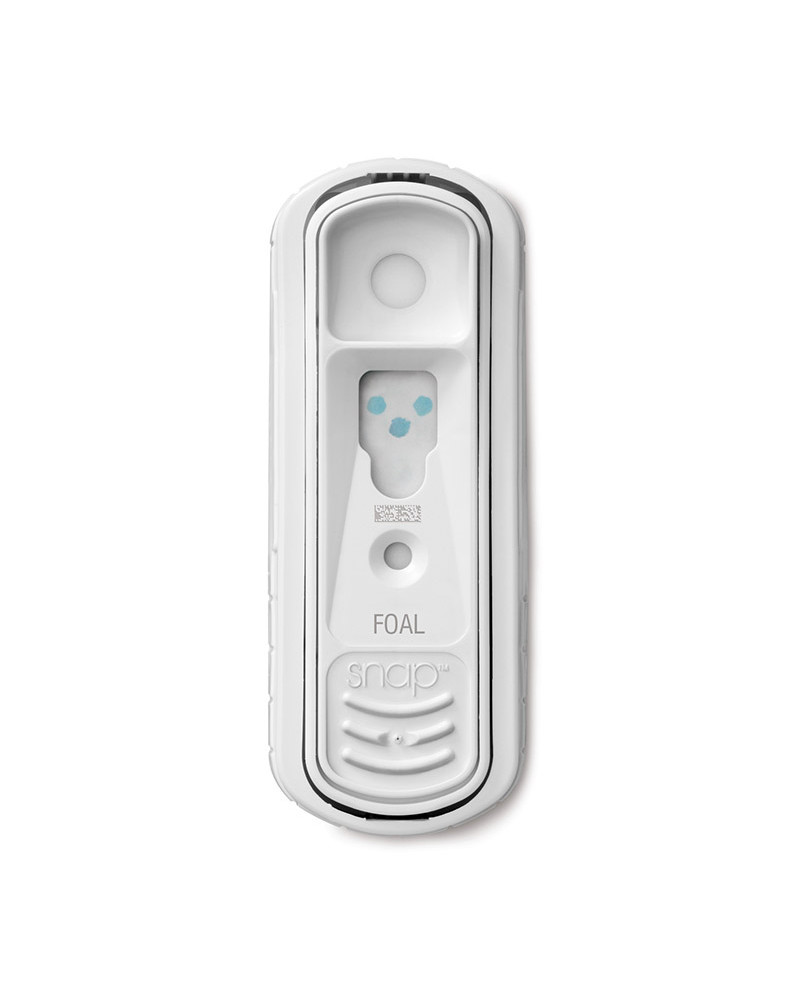
The SNAP Foal IgG is a rapid enzyme-linked immunosorbent assay (ELISA) test for semi-quantitative measurement of IgG levels in equine serum, plasma, or whole blood.
It has become a widely used tool in equine medicine because:
WHAT IS THE SNAP FAOL IgG?
The SNAP Foal IgG is a rapid enzyme-linked immunosorbent assay (ELISA) test for semi-quantitative measurement of IgG levels in equine serum, plasma, or whole blood.
It has become a widely used tool in equine medicine because:
- It provides results within minutes
- It is easy to perform in the field
- It does not require complex laboratory equipment
- It has high sensitivity and specificity
Its greatest advantage is clear: it allows immediate detection of low IgG levels and rapid initiation of treatment that can save the foal’s life.
HOW IS THE RESULT INTERPRETED?
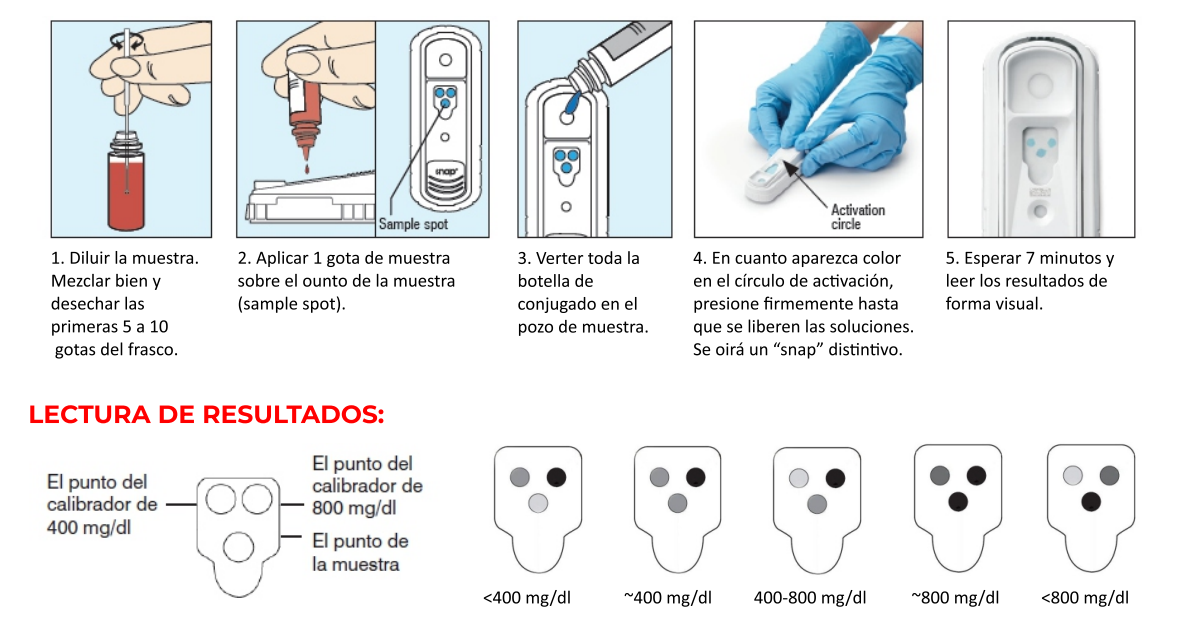
To determine the result, the reaction spots in the result window must be observed.
The intensity of the blue colour of the sample spot should be compared with the intensity of the two calibrations spots:
HOW IS THE RESULT INTERPRETED?
To determine the result, the reaction spots in the result window must be observed.
The intensity of the blue colour of the sample spot should be compared with the intensity of the two calibrations spots:
- If the colour is more intense than the de 800 mg/dL → adequate transfer
- If it is similar or slightly lighter → partial transfer
- If it is much weaker or absent → severe failure
Correct interpretation allows immediate clinical decisions and significantly improves the neonatal prognosis.
IN CONCLUSION
Foals are born defenceless and have a single opportunity to acquire effective immunity: the first hours after birth.
Measuring IgG is not a formality or an excess of caution. It is a preventive tool that can prevent serious disease, costly treatments, and even the loss of the animal.
In equine neonatal medicine, early action makes the difference, and the SNAP Foal IgG is a key tool that allows rapid decisions to protect the foal.
IN CONCLUSION
Foals are born defenceless and have a single opportunity to acquire effective immunity: the first hours after birth.
Measuring IgG is not a formality or an excess of caution. It is a preventive tool that can prevent serious disease, costly treatments, and even the loss of the animal.
In equine neonatal medicine, early action makes the difference, and the SNAP Foal IgG is a key tool that allows rapid decisions to protect the foal.
