
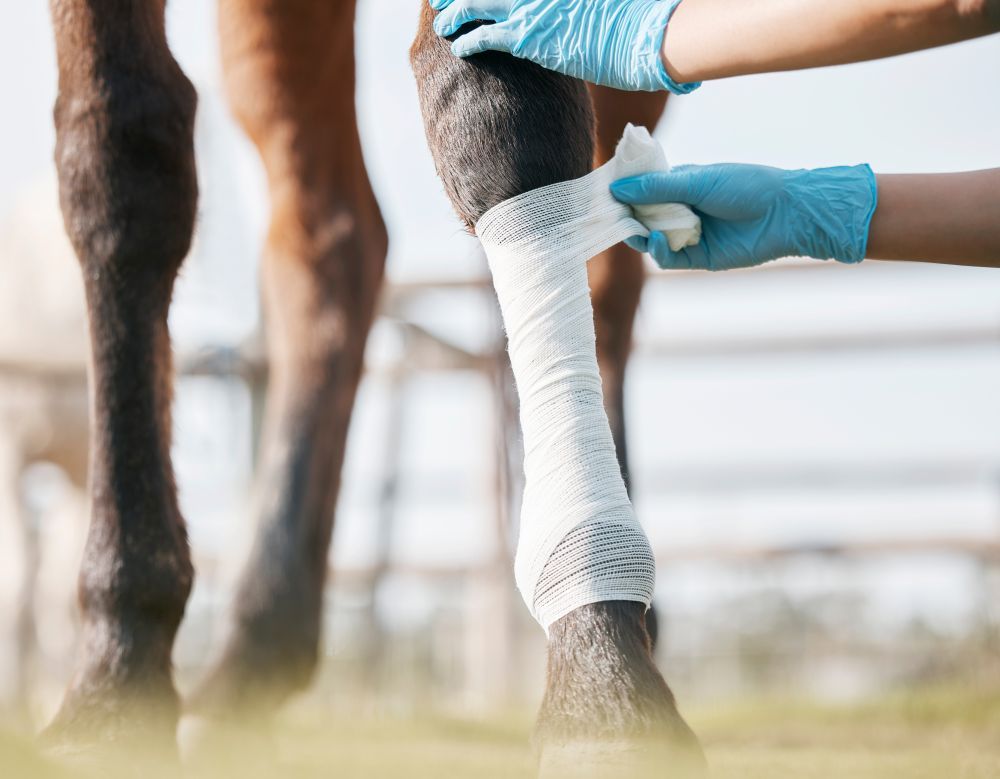
Wounds and bandages
Thursday 18 December 2025Wounds can be very deceptive, with the largest and most bleeding wound appearing to have the worst prognosis, and the smallest and least noticeable ones the least serious. However, the opposite can also be true; wounds near joints, no matter how small, can turn out to be the most serious and require urgent treatment.
When faced with a wound, the first step is to assess the damage. To do this, gently wash the wound to remove all visible dirt and inspect its depth and severity. It is also important to check for odor and any discharge to determine if there is an active infection that needs treatment. As always, we recommend contacting your veterinarian if you have any doubts.
Cleaning a wound with an antiseptic solution removes dead and contaminating tissue, but also coats the exposed living tissue with a protective antiseptic layer. Once the wound is clean, the damage can be assessed and treated.
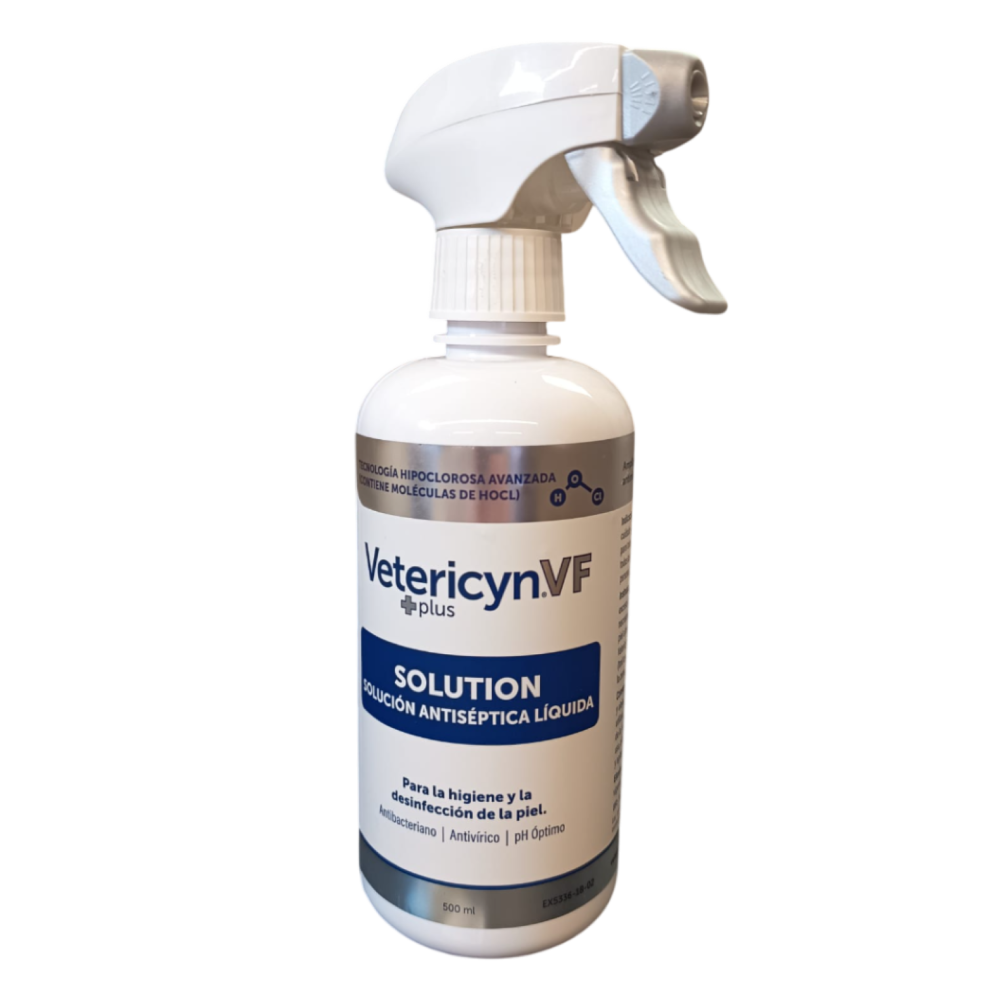
Antiseptic solution
VETERICYN antiseptic solution is specially formulated to cleanse, irrigate, moisten, and debride wounds of all types.
The aerosol formula allows for easy application.
PUNCTURE WOUNDS
A simple superficial graze can conceal a penetrating puncture wound that allows bacteria to enter the body. These bacteria quickly overwhelm the local immune system and cause an infection. If left untreated, these wounds can have truly severe consequences, as they become an entry point for anaerobic bacteria into deeper structures, such as tendons and joints. In an oxygen-poor environment, anaerobic bacteria produce spores that cause the death of surrounding tissues.
One of the most common bacteria associated with equine wounds is Clostridium tetani, responsible for tetanus. Before the vaccine existed, tetanus was a common cause of death, claiming the lives of countless horses. Today, a vaccine is available, which an injured horse should have received within the last 8 to 12 months.
KICK WOUNDS
A head-on impact from a helmet causes a small tear in the skin and a separation between muscle layers and connective tissue, creating a tunnel through which bacteria can enter. A common occurrence is that the separation of the different tissue layers allows blood or serum to accumulate under the skin, resulting in a hematoma (in the first case) or a seroma (in the second). Both are difficult to treat, and to prevent them initially, it is recommended to immediately apply topical ice to the affected area, which will prevent swelling and reduce pain from the impact.
WOUND HEALING AND CLOSURE
If hygienic conditions are adequate, the horse's natural healing mechanisms allow for rapid healing, leaving minimal scarring.
For the skin to close, the wound needs to be kept in a warm and moist environment. The skin on the lower limbs is poorly vascularized and cooler compared to the rest of the body, so it is important to maintain special hydration in these areas by applying a light bandage that retains moisture and heat.

Ointment for minor wounds, chafing...
MSM OINTMENT is an ointment for minor wounds, chafing from saddles and girths, or burns. It creates a protective barrier, aiding the healing process and accelerating skin repair.
MSM has an anti-inflammatory effect.
If the horse continues to traumatize the wound or it remains constantly irritated, bandaging can be very beneficial.
Wounds located on mobile surfaces, such as joints, heal more slowly and can produce an excess of granulation tissue, which will further delay healing. These wounds, in particular, need extra support to close as well and as quickly as possible.
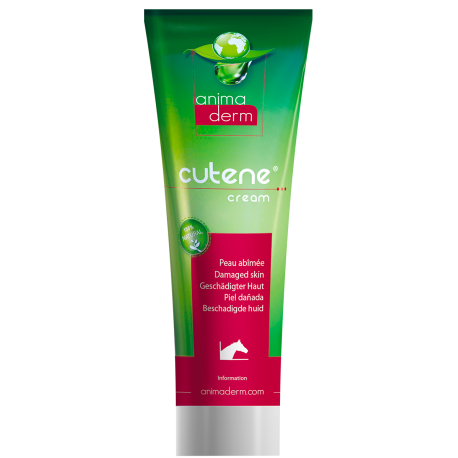
Skin healing and regenerating cream
CUTENE is a highly effective healing cream. It is the first skin-regenerating cream that restores fur to its original appearance. For slow-healing, open, and deep wounds.
BANDAGES, WHEN?
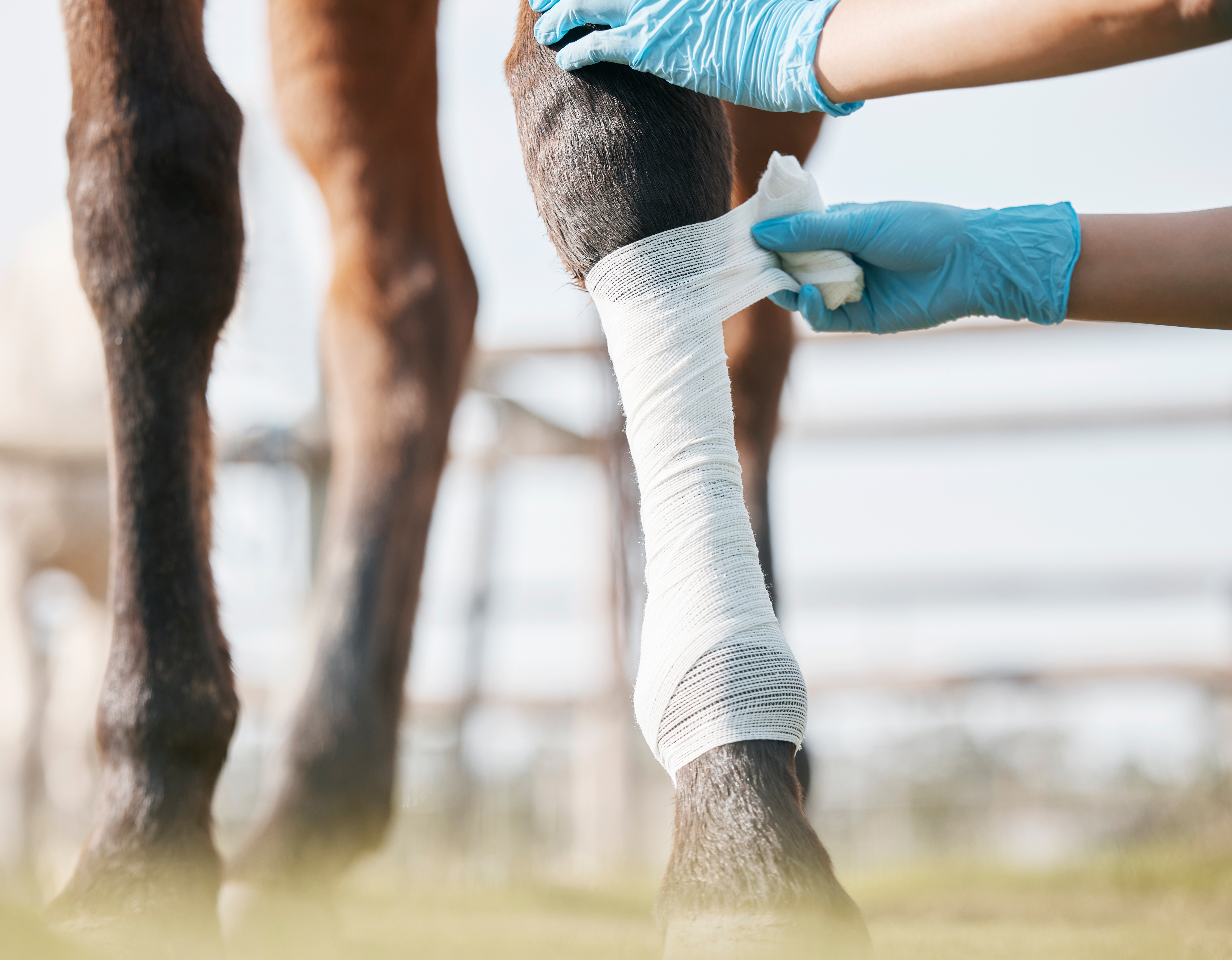
Generally, wounds on bandaged limbs heal faster than those left exposed to the air, as they will form a hard, thick scab. Bandaging reduces inflammation, prevents dehydration and contamination, and generally promotes healing. Once a continuous layer of granulation tissue has formed, it is best to remove the bandage to allow the skin to come into contact with oxygen.
It is important to prevent the bandage from sticking to the wound and to create padding around the area to avoid constricting tendons or restricting blood flow. Bandages should be absorbent to absorb exudate and allow for drainage, if necessary. Furthermore, they should be changed at least every two days for the first few days to allow for monitoring of the healing process.
Materials for bandages:
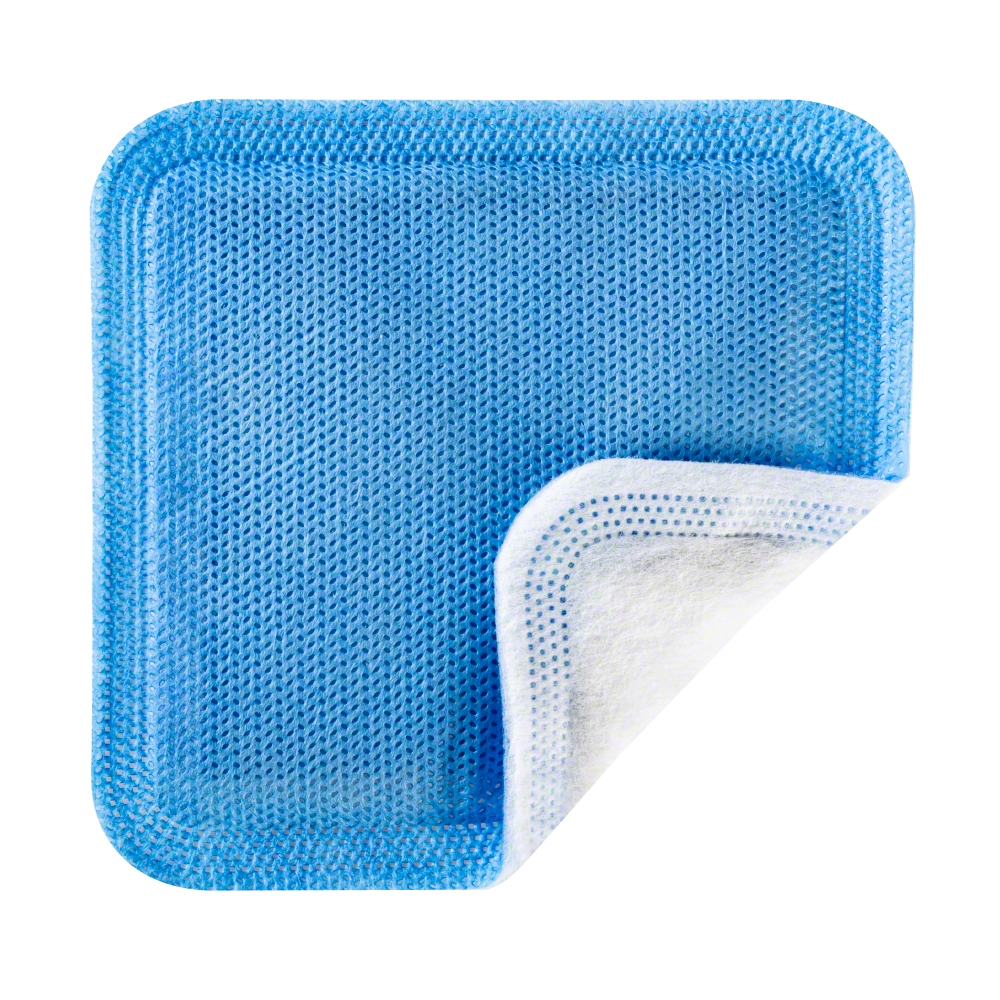
Activated charcoal dressing
ASKINA® CARBOSORB is a conformable, non-adhesive activated carbon dressing for odorous wounds. It absorbs bacteria and malodorous substances from the wound, which are retained by the central layer of activated carbon.

Multipurpose dressing and poultice
ANIMALINTEX is the only multi-layered dressing and poultice recognized by veterinarians that can be used hot, cold, or dry, applied directly to infected and open wounds, or to closed injuries to stimulate blood circulation. It contains boric acid, an active ingredient that promotes the healing of both infected and clean wounds. ANIMALINTEX HOOF, in the shape of a hoof, is also available.
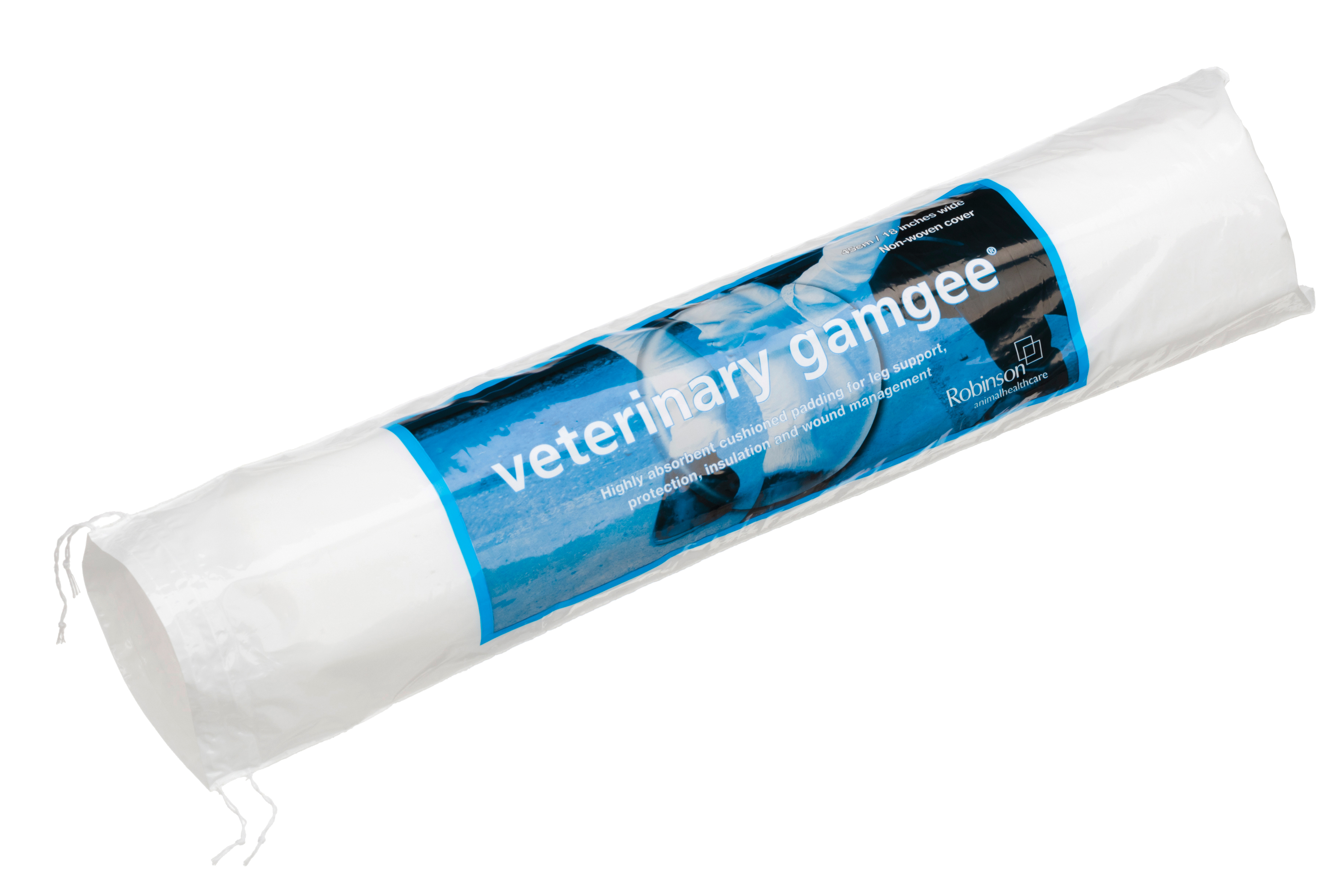
Gamgee cotton for bandages
VETERINARY GAMGEE consists of a thick layer of cotton wrapped in a cotton gauze covering to protect the wound from external damage and isolate it from the environment. It comes in a roll in two sizes to best suit the wound.
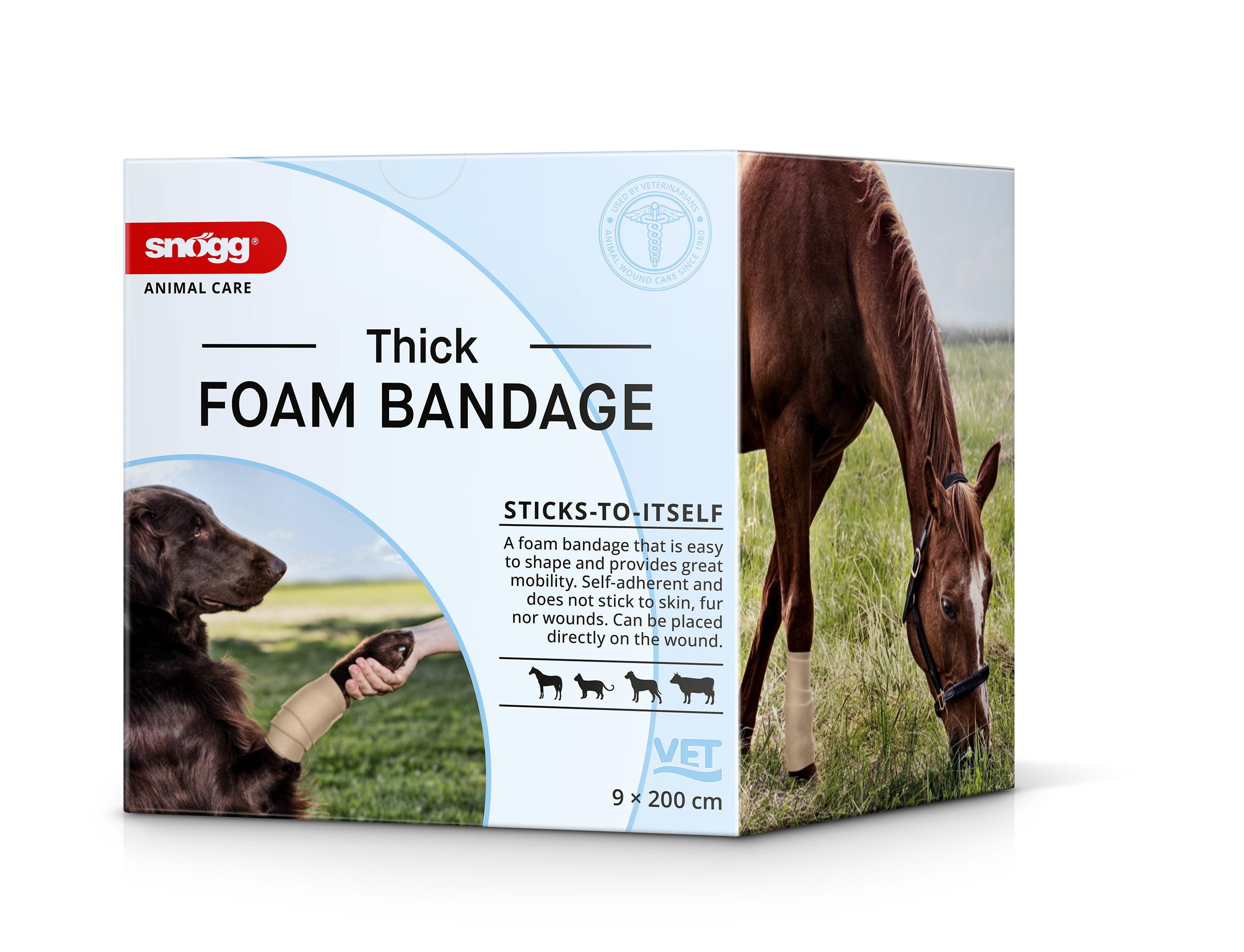
Self-adhesive foam bandage
FOAM BANDAGE is a self-adhering foam bandage that sticks to itself and not to the skin, fur, or wound.
It is soft, absorbent, and can be applied directly to the wound.
Available in:
Thin: 6cm x 4.5m
Thick: 9cm x 2m
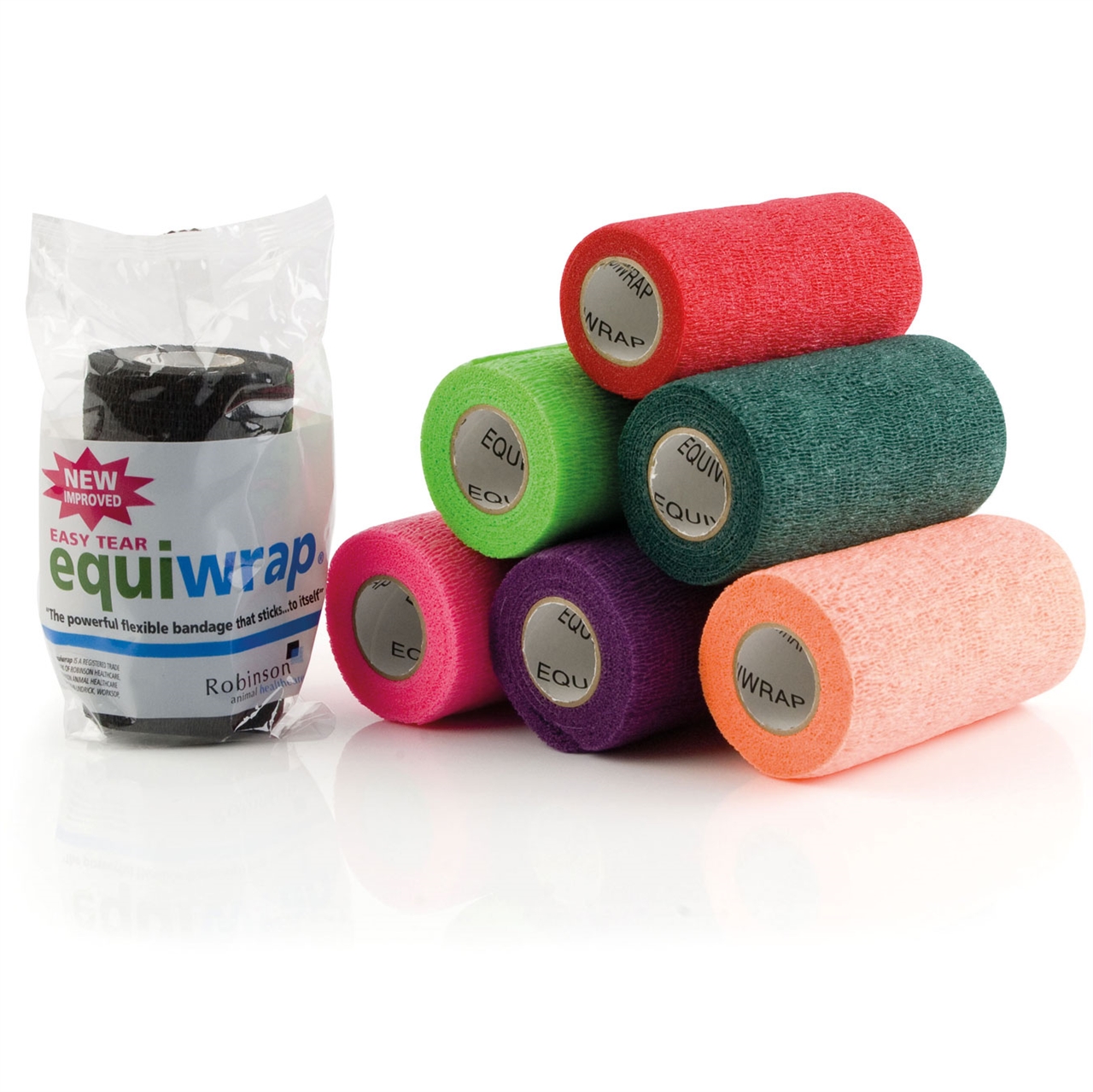
Cohesive bandage
EQUIWRAP is flexible, lightweight, and self-adhering, but it won't snag on the hair. It's ideal because it keeps the bandage in place even on the most intricate contours, preventing it from shifting.
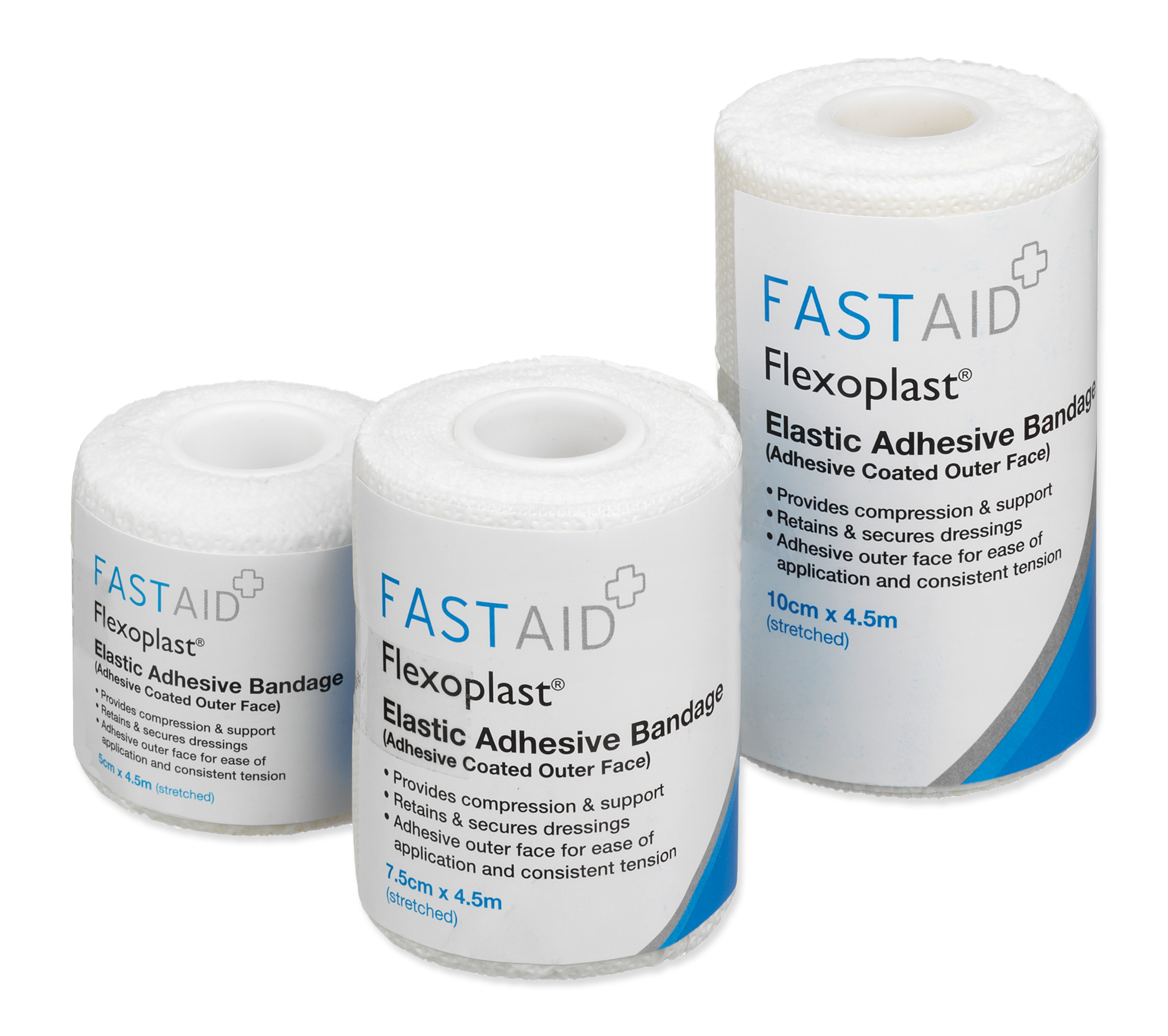
Adhesive bandage
FLEXOPLAST is made of a highly resistant elastic fabric with an adhesive layer on the outside, which facilitates direct application, partly over the cohesive layer and partly over the animal's skin at the edge of the bandage. This keeps the entire bandage in place.
Sometimes the location of a wound makes bandaging very difficult (on the chest, abdomen, etc.), or a large amount of bandage would be needed to ensure the wound is protected. Self-adhesive dressings are available to simplify this task.
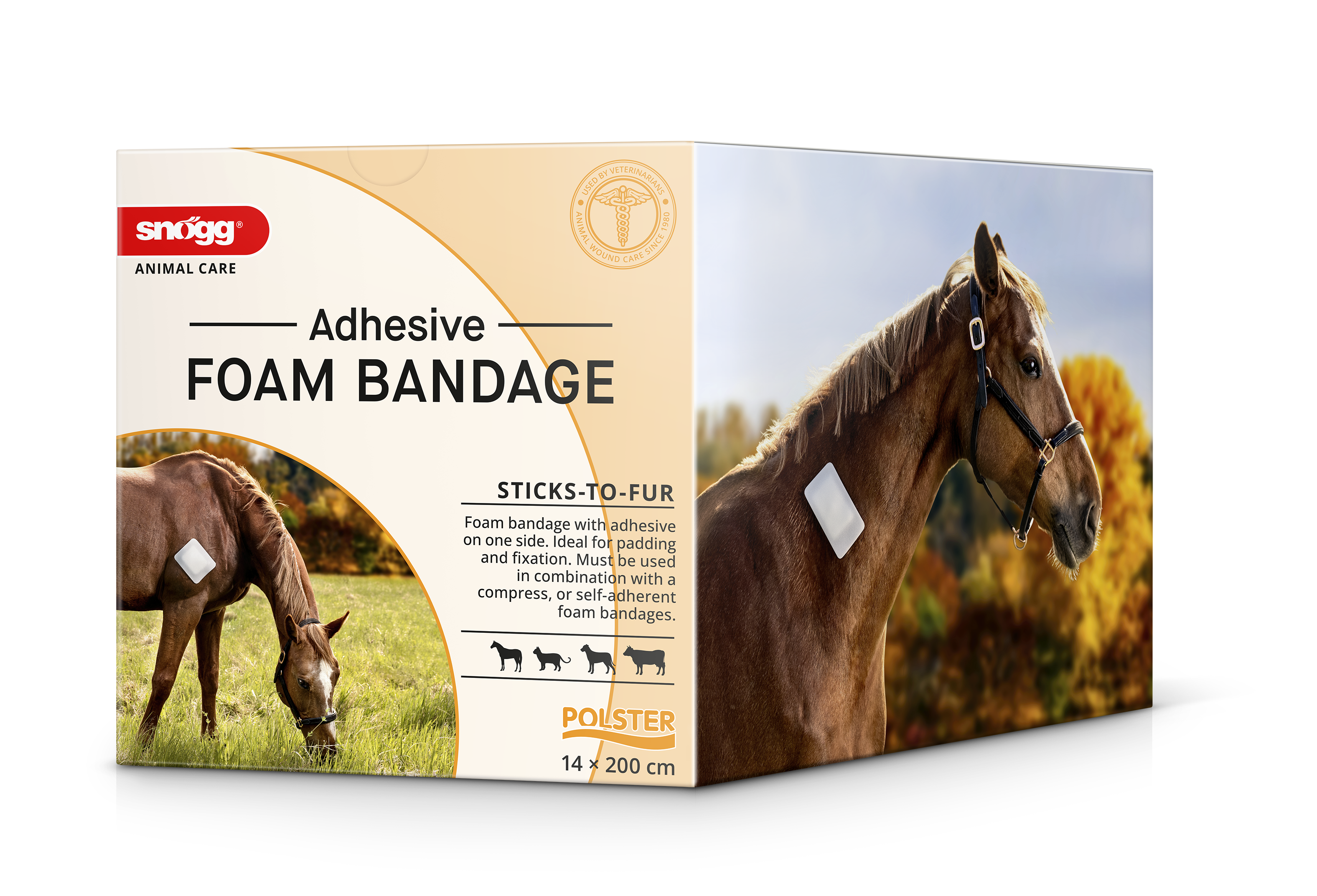
Adhesive bandage for the horse's coat
ANIMAL POLSTER is a transverse elastic polyurethane foam bandage with adhesive on one side, used for padding and securing, making it ideal for areas that are difficult to bandage.
Available sizes:
9cm x 2m
14cm x 2m
22cm x 2m
It is important to emphasize the importance of applying the bandage correctly. Improper application or placement of bandages and dressings can be very dangerous and have worse consequences than an unbandaged wound.
The key to successful bandaging lies in the quality of the material and its correct selection and application. A well-applied bandage will have a clean and uniform appearance.
Therefore, we always recommend consulting your veterinarian for a proper diagnosis and to learn the appropriate techniques for effective bandaging and optimal recovery for your horse.
