
Care for older horses
Monday 21 October 2024A horse is classified as a veteran horse from age 15, but this doesn't mean that he has to retire. Many older horses continue to enjoy an active and healthy life until their 20s. Just like it happens with humans, horses are increasingly able to enjoy longer lives. This can be possible due to a better diet, as well as better knowledge about their care and new or improved veterinary treatments thanks to the advancement of science. However, aging is inevitable, and we must be attentive to their needs, and in some cases, special care will be necessary.
Signs of aging:
Signs of aging include:
- Degeneration or loss of muscle and ligament definition
- Stiffness, arthritis
- Weight loss
- Dental problems
- Thicker coat, gray hair
As the horse gets older, is possible that several changes will have to be made in its management and feeding. General care continue to be really important: it is important to monitor deworming, perform regular body condition checks and to keep the horse clean. Next, we will take a look at some topics in which we must take special care and attention.
NUTRITION

An older horse needs good attention to its diet because its intestines are not as efficient in digesting and absorbing nutrients. They should have a diet that is high in energy, palatable, easy to digest, and tailored to their dental situation. Elderly animals that have lost several teeth need additional fiber in their diet and often have difficulties with long fibers, such as those found in hay. Older horses are prone to losing weight due to all these reasons. There are specific supplements available on the market for senior horses to meet these special needs. We can also help by feeding smaller amounts of food more often, and we should pay special attention during the winter months, which can generally be tougher for our companion.

VETERAN SUPPLEMENT
Easy-to-absorb vitamin complex specifically formulated to meet the needs of older horses. With probiotics and yeasts, lysine, MSM, dicalcium phosphate, and a wide range of vitamins, minerals, and trace elements, as well as herbs selected for their beneficial effects, such as Ginkgo and Ginseng.
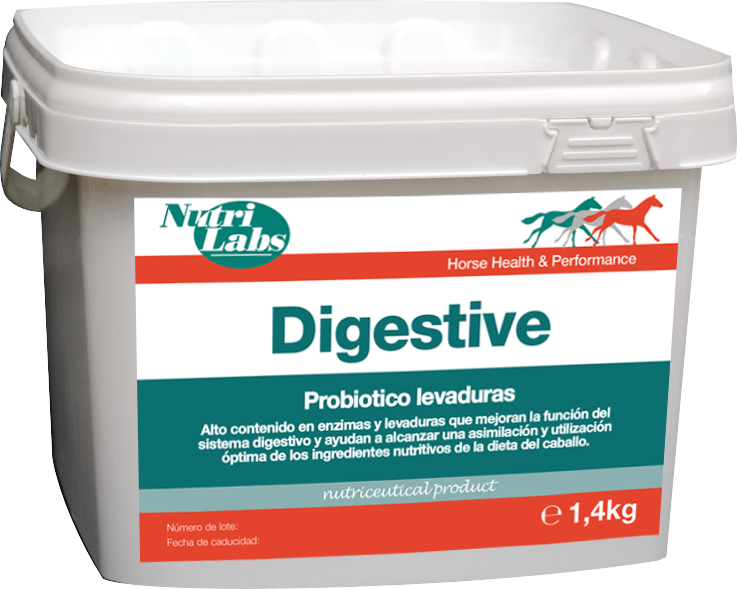
DIGESTIVE
Improves the function of the digestive system to achieve optimal assimilation and utilization of the nutritional ingredients in the horse's diet. Recommended for horses that are experiencing weight loss or older horses with digestive issues.
DENTAL CHECK-UPS
Although it is highly recommended that all horses and ponies have their teeth checked twice a year, this is even more important for older animals. Dental problems that cause pain and weight loss are much more common in elderly animals, and regular check-ups will allow us to identify issues before they become something bigger and more serious for the animal. The most common problems may include mobility of teeth, worn or aged teeth, and painful diastemas (spaces between the teeth). These dental issues are often the cause of weight loss or poor overall condition. If our horse chews but leaves part of the hay or food, or if the fibers in their droppings are longer, we should be attentive and have them checked, as these may be signs that they cannot chew or digest fibers properly.

JOINTS
Joint problems are the number one reason why horses retire or reduce their level of work. Therefore, if we want our horses to stay healthy and active for as long as possible, joint care should be a top priority on our list. But what age is considered an aging joint? We often wonder at what age we should start thinking about the joint care of our older horses and ponies, but it’s a difficult question to answer. Aging is complex, and it will certainly affect different animals in very different ways. Workload, breed, body condition, and a history of previous joint issues can all impact a horse's joint health and care.

For high-performance horses and elite equine athletes, we would recommend reinforcing the joints throughout their 'senior career,' which could be considered from the age of eight onwards. Obviously, in cases with a history of injuries or joint stress, it is advisable to administer a chondroprotective supplement, regardless of age.
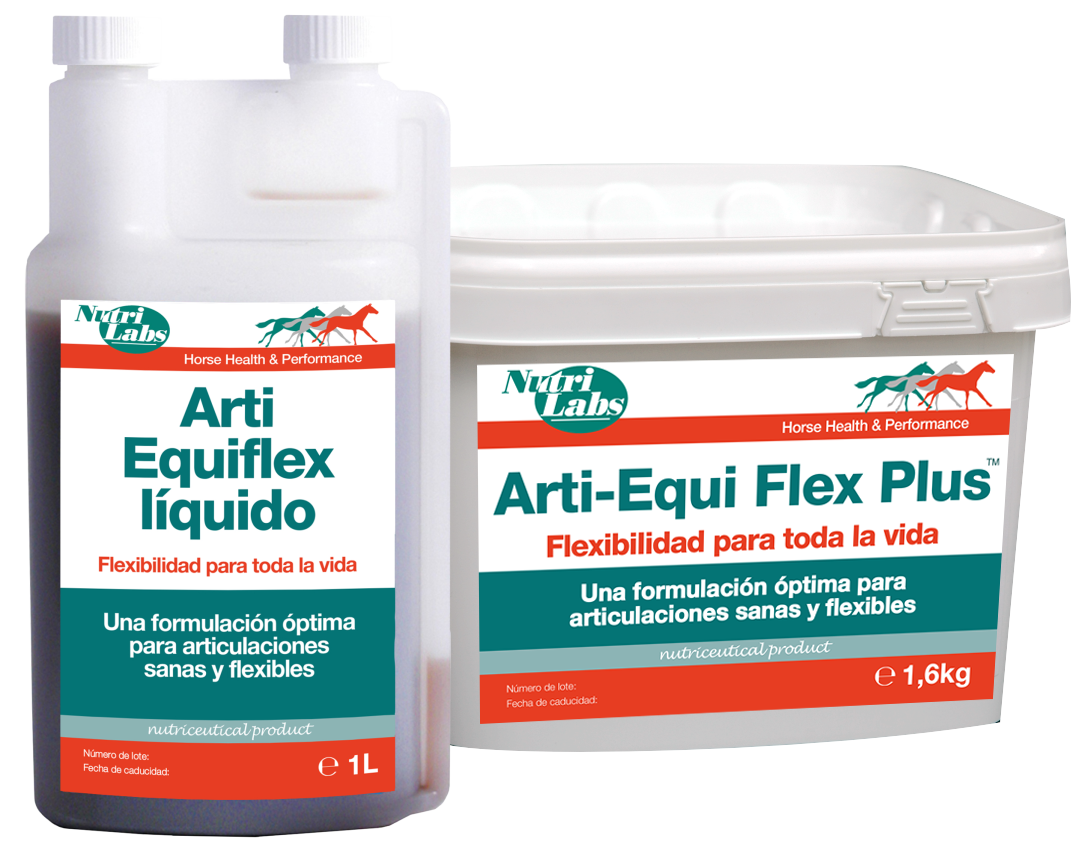
ARTI EQUI FLEX
ARTI-EQUIFLEX PLUS is the most effective joint chondroprotector on the market, with an optimal and complete formulation for healthy and flexible joints. It contains a natural anti-inflammatory, M.S.M., antioxidants, and three chondroprotectors: Chondroitin Sulfate, Glucosamine, and Hyaluronic Acid. Available in powder and liquid form.
ARTHRITIS
On the other hand, arthritis is a very common condition in older animals. The signs include stiffness and limping, which often improve with gentle exercise. Once present, we must understand that arthritis has no cure, but we can take measures to reduce or eliminate any pain associated with the condition and try to strengthen the joints.
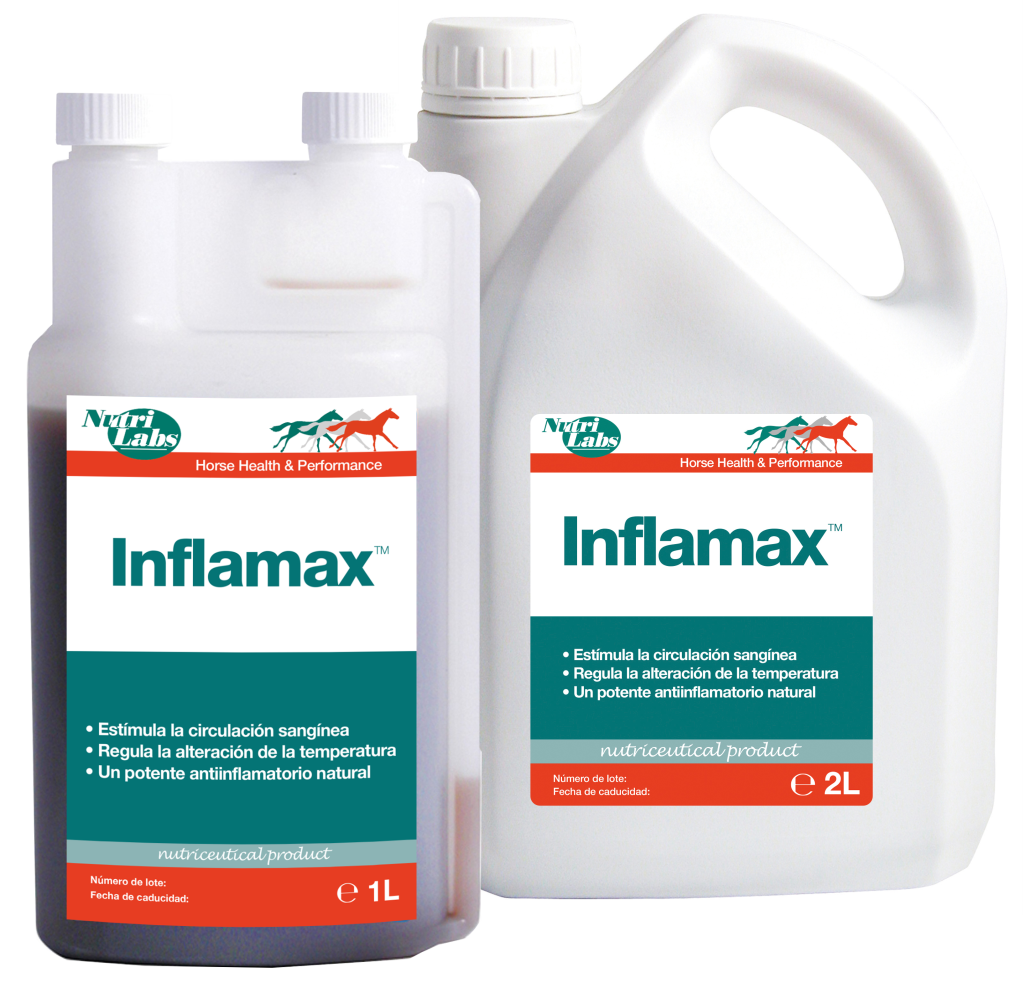
INFLAMAX
With Harpagophytum, INFLAMAX promotes the horse's natural anti-inflammatory process. It is the ideal product to relieve cases of inflammation and pain (lameness, arthritis, etc.) and can be administered for long periods of time without the risk of side effects.
CUSHING ILLNESS
Cushing's syndrome is an endocrine disorder caused by hyperplasia (enlargement) of the intermediate part of the pituitary gland. This gland is located at the base of the brain, and in its normal state, it allows the release and inhibition of hormones. In horses with PPID, the inhibitory processes are reduced, leading to the release of excessive hormone levels, which in turn causes the adrenal glands to secrete more cortisol. Cortisol (known as the stress hormone) is responsible for the symptoms. These hormones control appetite, water intake, coat shedding, and even muscle health, so when they become imbalanced, we observe significant changes in the normal functions of our horses' bodies. Ponies are more commonly affected than horses, although no breed or gender bias has been identified.

Once diagnosed, it is necessary to work with the veterinarian on management, and it is advisable to consult with qualified nutritionists to ensure an appropriate diet. Both the general diet and specific nutrition must be suitable for your horse or pony. Fortunately, in most cases, excellent control can be achieved with medication and supplements, along with lifelong routine care.
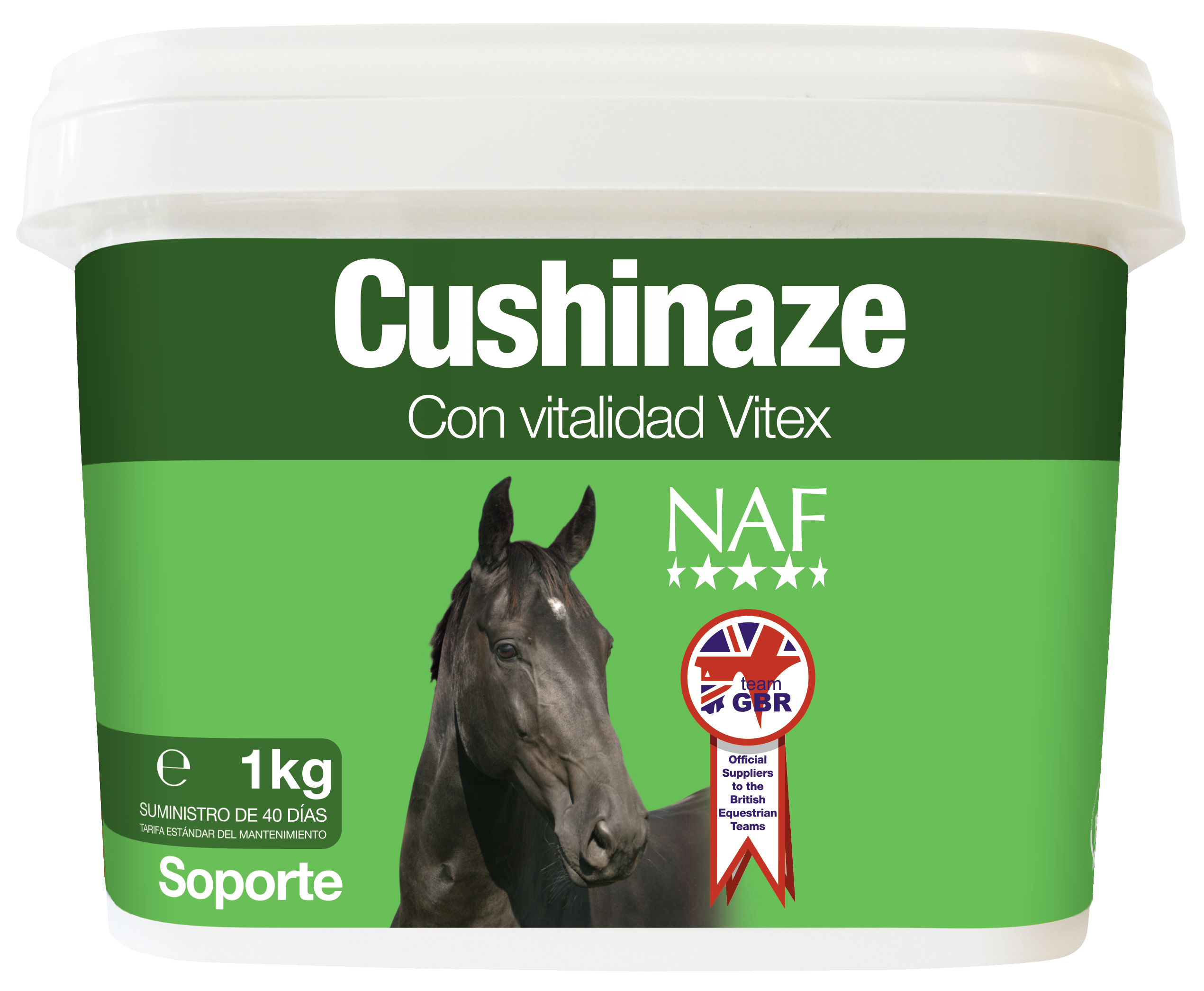
CUSHINAZE
CUSHINAZE combines the appropriate medicinal plants with Magnesium, M.S.M., and antioxidants to stabilize pituitary function and relieve the consequences of Cushing's Syndrome (such as laminitis), improve coat condition, and keep the horse vital and active.
You can read more about Cushing's syndrome >HERE<
EXERCISE
Changes in the body and mind of an older horse may mean that their workload should be reduced. Whenever possible, these changes should be gradual, especially in competition horses that are accustomed to high levels of exercise. But this doesn’t have to be the end of the fun; we can try different disciplines or take things more slowly. It’s important for the horse to continue moving, within its abilities. Too much inactivity and rest is the worst thing we can do for them. As our competition horses age, we will likely see that they need more time to warm up and to relax and stretch afterward, but that doesn’t mean that exercise and this whole process aren’t beneficial for them—quite the opposite.
HOOVES
It is important to remember that regular visits from the farrier are essential to maintain the horse's health and overall condition. Due to age, potential health issues, or poor digestion, the hooves may be affected. Additionally, if there have been changes in management and workload levels, a change in hoof care may also be recommended.
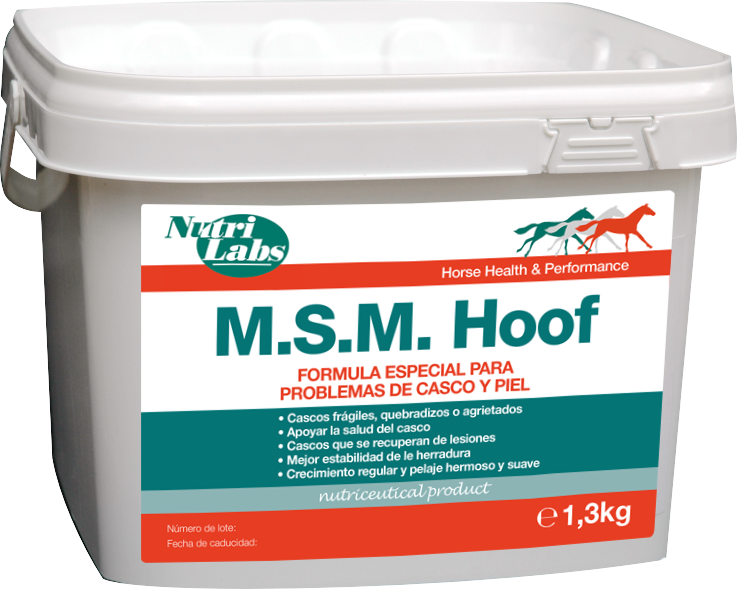
MSM HOOF
M.S.M. HOOF contains high concentrations of M.S.M., Zinc, and Vitamin A, promoting hoof growth speed and recovery. It is recommended for fragile or brittle hooves, hoof recovery after an injury, or in cases of deficiencies or poor hoof growth.
And last but not least...
TIME
As a horse retires, it may be that we spend less time with them, as daily work sessions may end or decrease. It’s important to try to find some time to spend with our horse and pamper them. This way, we can also more easily detect any changes or problems.

