Equine strangles
Friday 24 July 2026WHAT IS EQUINE STRANGLES?
Equine strangles, also known as equine adenitis, is a highly contagious respiratory disease that affects horses worldwide.
It is caused by the bacterium Streptococcus equi subspecies equi and is mainly characterized by inflammation of the upper respiratory tract and the formation of abscesses in the lymph nodes of the head and neck.
The disease is mainly transmitted through direct contact between infected and healthy horses, although it can also spread indirectly through water, drinking troughs, handling equipment, clothing, or contaminated hands. Carrier animals, even without showing symptoms, may continue shedding the bacteria and infecting other horses.
IMPORTANCE OF EQUINE STRANGLES
Equine strangles represents a major health and economic problem in equine facilities, riding centers, and competitions.
Outbreaks can seriously affect horse welfare due to the fever, pain, and respiratory and feeding difficulties caused by the disease. In addition:
-
Treatments are limited and mainly symptomatic.
-
Outbreak control requires strict isolation and biosecurity measures.
-
It may lead to the suspension of sporting events and restrictions on animal movement.
-
It generates high veterinary costs and economic losses associated with recovery time.
Although most horses recover completely, some may develop severe complications or become chronic carriers.

PREVALENCE OF EQUINE STRANGLES
Equine strangles is considered one of the most common infectious diseases in horses worldwide.
Many more outbreaks of equine strangles are diagnosed than equine influenza, with estimates ranging from 5 to 100 times more cases depending on the region and sanitary conditions.
The disease can affect horses of any age, although it is more common in young animals. Places with a high concentration of horses or frequent animal movement present a greater risk of transmission.
Outbreaks are especially common in equestrian centers, competitions, gatherings, transport situations, and facilities with a high turnover of horses.
CLINICAL SIGNS OF EQUINE STRANGLES
Clinical signs usually appear between 3 and 14 days after infection. Severity may vary depending on age, immune status, and bacterial load.
The most common symptoms are:
-
Fever (body temperature >38.5°C).
-
Nasal discharge, initially watery and later thicker and purulent.
-
Mild or productive cough.
-
Lethargy and depression.
-
Loss of appetite.
-
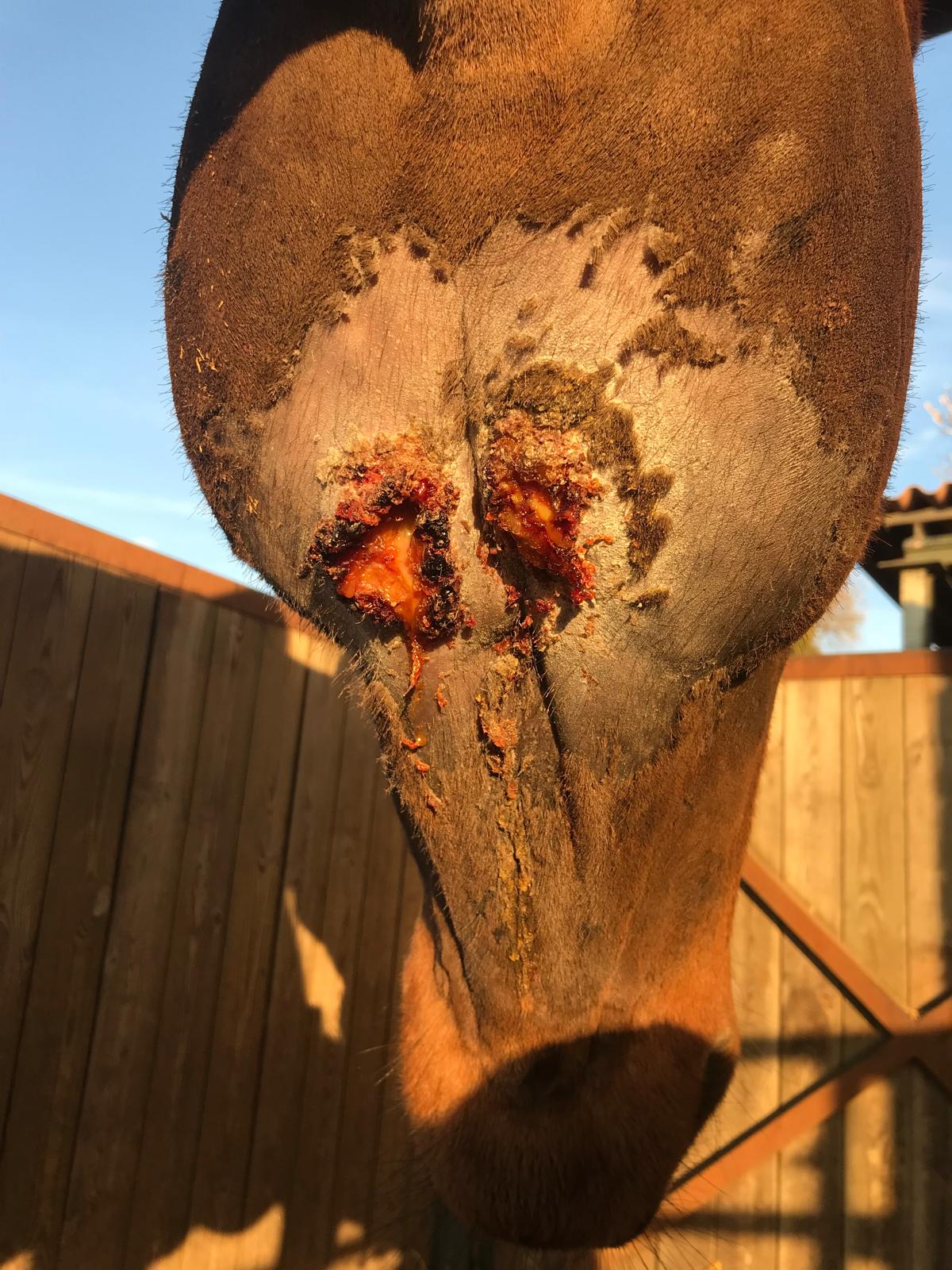
Painful swelling of the lymph nodes in the head and neck.
-
Formation of abscesses that may rupture and drain pus.
-
Difficulty swallowing or breathing due to airway compression.
-
Weight loss and decline in general condition.
In severe outbreaks, morbidity may reach up to 100% of exposed animals. Although mortality is usually low, serious complications may occur if the disease is not properly controlled.
Possible complications include:
-
Spread of abscesses to other parts of the body (“bastard strangles”).
-
Pneumonia.
-
Hemorrhages associated with immune-mediated vasculitis.
-
Severe respiratory obstruction.
-
Chronic bacterial carriers.
TREATMENT
Treatment will depend on the severity of the case and should always be supervised by a veterinarian.
It generally includes:
-
Anti-inflammatory drugs to control fever and pain.
-
Supportive care and hydration.
-
Cleaning and drainage of abscesses when necessary.
-
Rest and isolation of the horse.
-
Use of antibiotics only in certain cases and under veterinary guidance.
It is important not to administer medication without professional advice, as inappropriate use may complicate disease progression or interfere with the development of natural immunity.
In addition, veterinary follow-up is essential to confirm complete recovery.
PREVENTION AND CONTROL
Prevention is key to reducing the risk of outbreaks.
The main recommended measures are:
-
Immediate isolation of horses showing symptoms.
-
Daily temperature monitoring of exposed horses.
-
Avoid sharing buckets, drinking troughs, and equipment between horses.
-
Disinfection of facilities and equipment.
-
Maintaining proper hygiene of hands, clothing, and equipment.
-
Quarantine of new arrivals for at least 2–3 weeks.
-
Avoiding contact between horses from different origins.
-
Performing diagnostic tests on suspected animals or horses with a history of contact.
Responsible management and rapid action at the first signs are essential to protect the health of all horses at the facility.
VACCINES
The Strangvac vaccine is indicated for active immunization against Streptococcus equi in horses from 8 months of age onward (safe from 5 months).
Its objectives are:
-
To reduce clinical signs during the acute phase of Streptococcus equi infection.
-
To reduce the number of submandibular and retropharyngeal lymph node abscesses.
Vaccination Protocol
Primary vaccination
-
1st dose: from 8 months of age.
-
2nd dose: 4 weeks later.
A 3rd booster dose after 3 months is recommended to enhance the development of stronger and longer-lasting immunity.
Revaccination
-
In medium- or high-risk areas, revaccination every 6 months is recommended.
-
In low-risk situations, annual revaccination may be sufficient.
-
In case of possible exposure or high-risk situations, an additional revaccination may be performed according to veterinary judgment.

CONCLUSION
Strangles is a highly contagious disease that can spread rapidly and cause significant health problems.
Recognizing symptoms early, acting quickly, and applying good prevention and biosecurity measures are essential to control the disease and protect horse welfare.
If there is any suspicion, it is essential to contact a veterinarian as soon as possible to establish an appropriate diagnosis and management.
Strangles, also known as equine adenitis, is a highly contagious respiratory disease affecting horses worldwide.
It is caused by the bacterium Streptococcus equi subspecies equi and is mainly characterized by inflammation of the upper respiratory tract and the formation of abscesses in the lymph nodes of the head and neck.
The disease is mainly transmitted through direct contact between infected and healthy horses, but it can also spread indirectly through water, drinkers, handling equipment, clothing, or contaminated hands. Carrier animals, even without showing symptoms, can continue shedding the bacteria and infect other horses.