
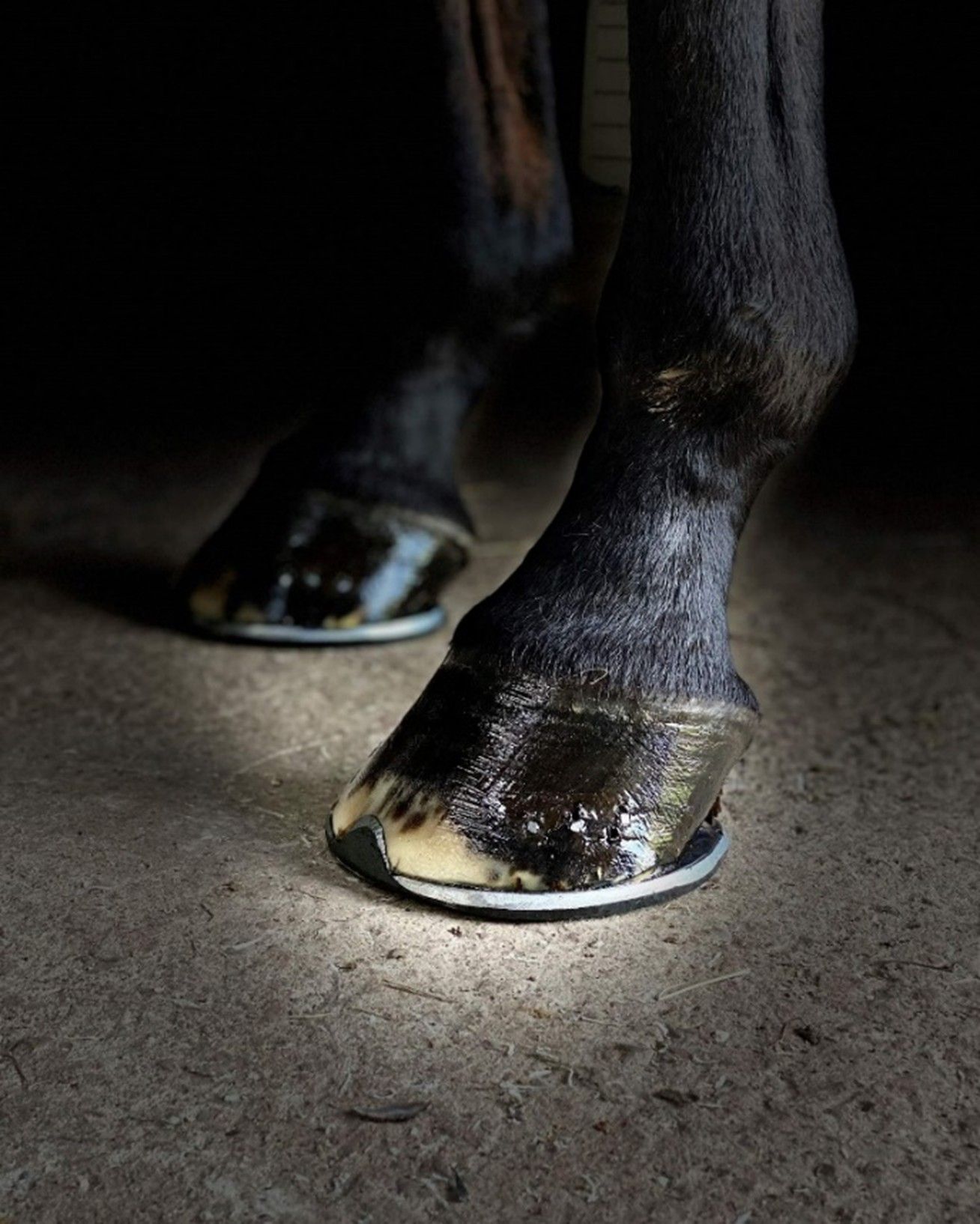
Horse hooves: their importance and essential care
Friday 07 November 2025In the equestrian world, it's often said that "without hooves, there is no horse," an expression that perfectly encapsulates the importance of hooves to a horse's health and performance. While much of the care focuses on diet, training, and the animal's overall appearance, proper hoof care is fundamental to ensuring a healthy, comfortable, and functional horse, both in the arena and in the field. Without healthy, strong, and well-cared-for hooves, a horse cannot perform at its best or enjoy an active life.
Warning signs
We must be attentive to any abnormalities in the hooves, such as:
• Deep cracks or fissures
• Bad odor (indicative of frog rot)
• Lameness or sensitivity to impact
• Uneven wear
• Excessive growth without trimming
If any of these signs are present, it is advisable to contact a veterinarian or farrier.
Many nutrients are needed to build a quality hoof from the inside out, and if any of these nutrients are lacking, the horse's overall performance could be compromised. Poor hoof condition can lead to being unable to ride, increased visits to the farrier, and changes in management, all of which could be avoided with a suitable hoof supplement.
Many hoof problems stem from alterations in hoof moisture. Excessive moisture due to waterlogged or muddy ground can weaken the hoof structure and lead to bacterial or fungal infections. Conversely, in hot, dry environments, the hoof may exhibit a lack of moisture. A dry hoof is fragile and brittle, and generally looks poor, potentially leading to shoe loss. A dry hoof is a significant problem because the fluids in the cornea are designed to absorb the impact force when the hoof strikes the ground.
Given the constantly changing conditions that horses' hooves endure daily, we must ensure we help them maintain a stable environment. Dry bedding, different types of ground, sandy surfaces—these ever-changing conditions can, over time, weaken a healthy hoof. Applying a specific hoof care product daily can prevent the hoof from becoming susceptible to cracks and fractures, and counteract any genetic deficiencies. Regular visits to the farrier are absolutely necessary to ensure your hooves are balanced and well cared for, but good nutrition both internally and externally ensures the hoof is healthy and ready for peak performance.
Healthy hooves mean a balanced, comfortable horse, ready to work. Maintaining a care routine, careful observation, providing a balanced diet and appropriate supplements, and relying on professionals are the best guarantees for our companion to enjoy a full and active life. Hoof care is not just a routine task; it's an investment in their well-being, their performance, and the future of every step they take on the track.
ANATOMY AND FUNCTION OF THE HOOF
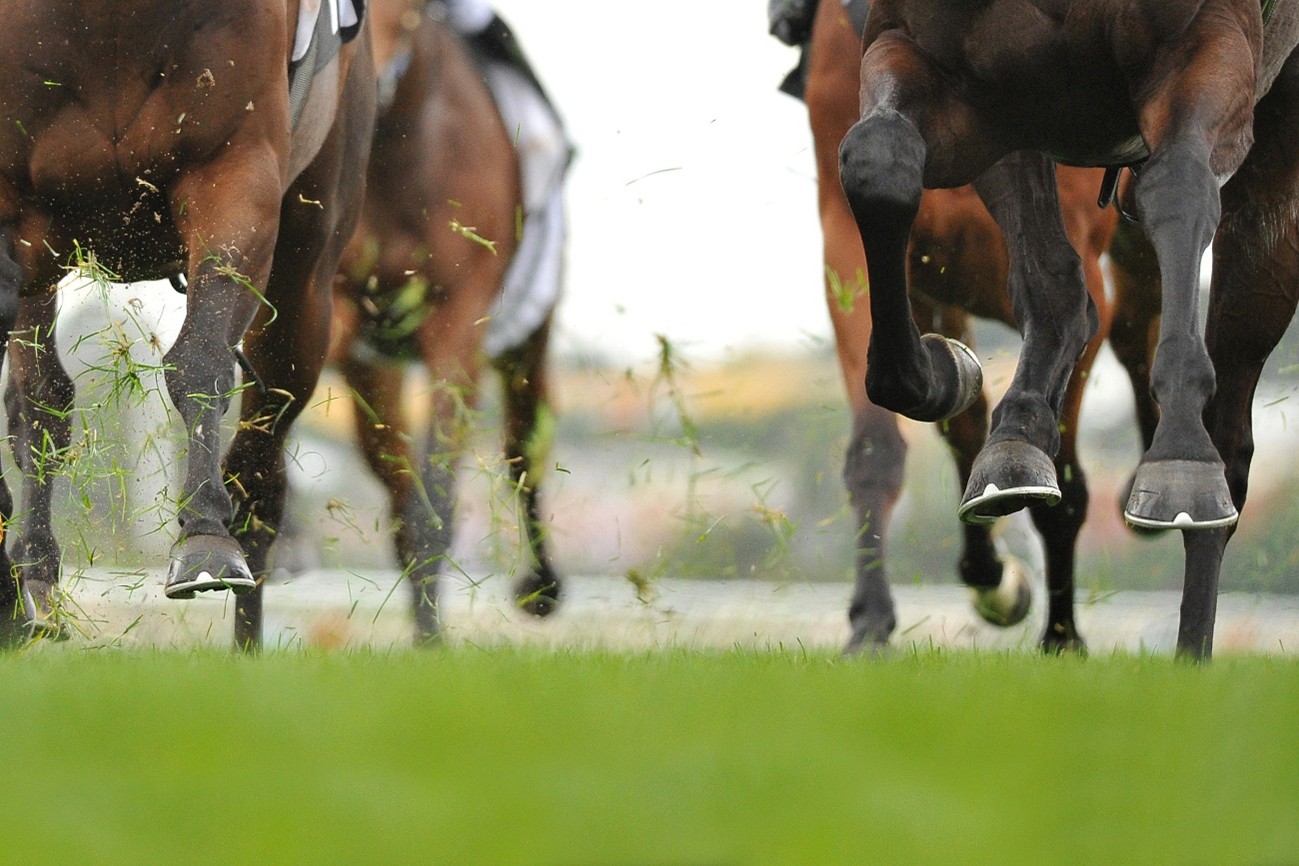
The structure of the hoof is incredibly complex: strong and resilient, yet elastic, aerodynamic, and compact, capable of withstanding and absorbing extreme force. It can support up to three times the horse's weight and still be light enough to allow for a fast and agile gallop. No other animal walks on a single toe, making the horse's hoof a truly exceptional anatomical structure.
The role of the hoof capsule is extremely important: it protects the internal structures, supports the horse's weight, absorbs shocks, and enables movement. The impact the hoof suffers upon striking the ground is considerable, given that it supports its own weight, the rider's weight, the saddle, and the force generated by muscular effort.
While the musculoskeletal system is designed to absorb some of the impact, primarily through the flexibility of soft tissues and the movement of bones at the joints, much of the impact absorption occurs within the hoof itself. Although hard to the touch, the hoof capsule is made of viscoelastic materials that allow it to deform under very high pressure. Inside, the soft tissue, consisting of tendons, ligaments, cartilage, laminae, blood vessels, nerves, etc., plays a crucial role in absorbing and dissipating the impact. One of the most remarkable characteristics of the hoof is that it is a living structure capable of regenerating over time. However, this is true of a healthy hoof, but many factors can weaken it and complicate its recovery, such as disease or injury, improper management or shoeing, genetics, or poor nutrition.
The role of the hoof capsule is extremely important: it protects the internal structures, supports the horse's weight, absorbs shocks, and enables movement. The impact the hoof suffers upon striking the ground is considerable, given that it supports its own weight, the rider's weight, the saddle, and the force generated by muscular effort.
While the musculoskeletal system is designed to absorb some of the impact, primarily through the flexibility of soft tissues and the movement of bones at the joints, much of the impact absorption occurs within the hoof itself. Although hard to the touch, the hoof capsule is made of viscoelastic materials that allow it to deform under very high pressure. Inside, the soft tissue, consisting of tendons, ligaments, cartilage, laminae, blood vessels, nerves, etc., plays a crucial role in absorbing and dissipating the impact. One of the most remarkable characteristics of the hoof is that it is a living structure capable of regenerating over time. However, this is true of a healthy hoof, but many factors can weaken it and complicate its recovery, such as disease or injury, improper management or shoeing, genetics, or poor nutrition.
KEYS TO OPTIMAL CARE
Hoof quality is largely governed by intrinsic factors such as genetics and diet, while external elements like climate, management, daily care, and proper shoeing also play a key role. Administering a hoof supplement can make a significant difference in improving the condition of your horse's hooves.
The following are best practices that every rider or caretaker should follow to maintain healthy hooves:
1. Daily cleaning: The first step is to clean the hooves daily, removing mud, stones, manure, or any object that could cause damage or infection. This not only prevents disease but also allows for the early detection of irregularities.
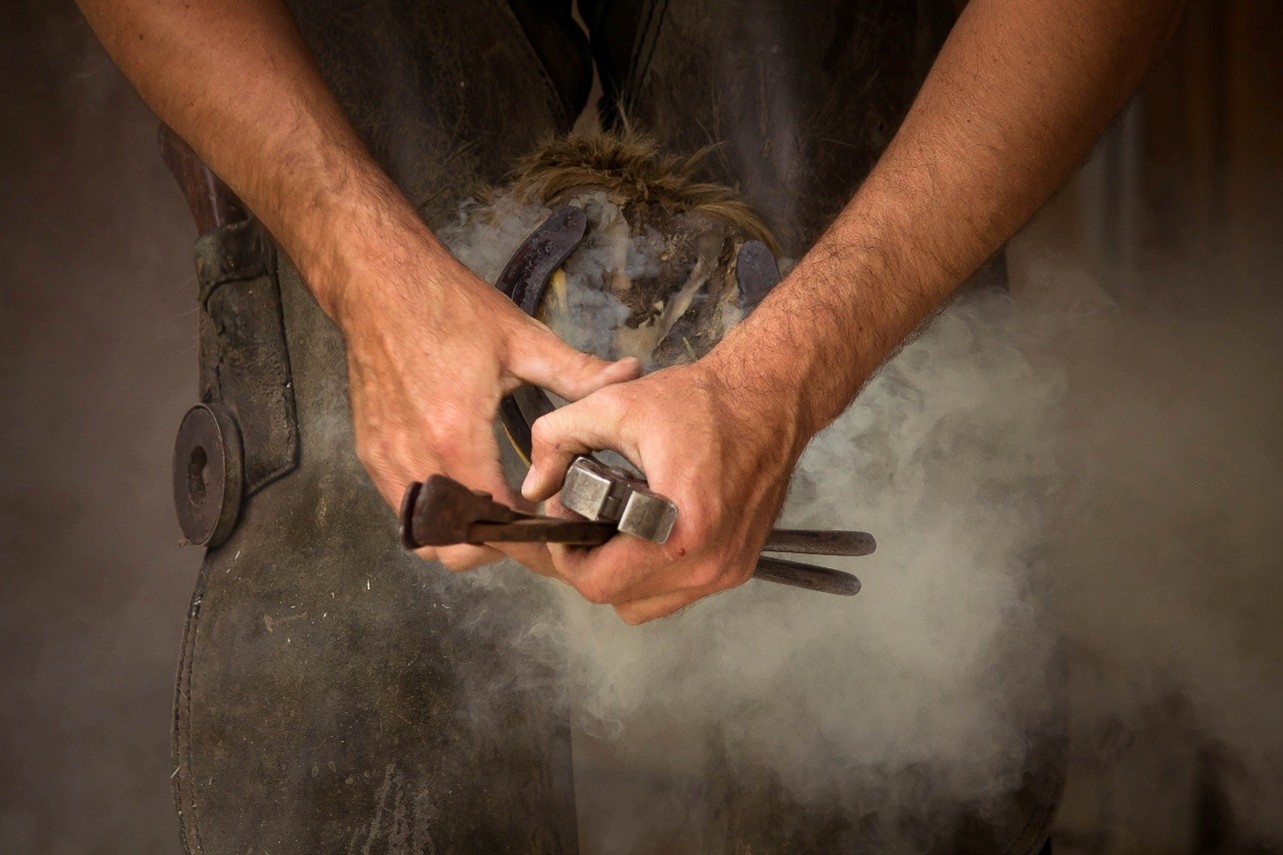
2. Regular shoeing or trimming: Every 6 to 8 weeks, depending on hoof growth and the type of work the horse performs, it is essential to call a farrier. Shoeing or trimming maintains the proper hoof shape, prevents imbalances, and protects against excessive wear.
The following are best practices that every rider or caretaker should follow to maintain healthy hooves:
1. Daily cleaning: The first step is to clean the hooves daily, removing mud, stones, manure, or any object that could cause damage or infection. This not only prevents disease but also allows for the early detection of irregularities.
2. Regular shoeing or trimming: Every 6 to 8 weeks, depending on hoof growth and the type of work the horse performs, it is essential to call a farrier. Shoeing or trimming maintains the proper hoof shape, prevents imbalances, and protects against excessive wear.
3. Dry and clean environment: A clean stable and well-drained pasture are key to preventing diseases like hoof rot. Constant moisture weakens the hoof structure and promotes bacterial growth.
4. Balanced nutrition: A diet rich in biotin, zinc, and methionine supports strong, healthy hoof growth. Specific supplements recommended by veterinarians can help improve hoof quality.
5. Regular veterinary inspection: Any signs of lameness, sensitivity, excessive heat, or foul odor should prompt immediate consultation with a veterinarian or farrier. Early diagnosis can make the difference between a minor problem and a serious injury.
4. Balanced nutrition: A diet rich in biotin, zinc, and methionine supports strong, healthy hoof growth. Specific supplements recommended by veterinarians can help improve hoof quality.
5. Regular veterinary inspection: Any signs of lameness, sensitivity, excessive heat, or foul odor should prompt immediate consultation with a veterinarian or farrier. Early diagnosis can make the difference between a minor problem and a serious injury.
Warning signs
We must be attentive to any abnormalities in the hooves, such as:
• Deep cracks or fissures
• Bad odor (indicative of frog rot)
• Lameness or sensitivity to impact
• Uneven wear
• Excessive growth without trimming
If any of these signs are present, it is advisable to contact a veterinarian or farrier.
SHOULD I GIVE MY HORSE A HOOF SUPPLEMENT?
If your horse or pony has had any hoof problems in the past (including brittle hooves), the answer is obviously yes. But it's also advisable if you think that changes (routine, diet), other issues, or illnesses could compromise the condition of their hooves. It's always better and faster to prevent problems than to treat them.Many nutrients are needed to build a quality hoof from the inside out, and if any of these nutrients are lacking, the horse's overall performance could be compromised. Poor hoof condition can lead to being unable to ride, increased visits to the farrier, and changes in management, all of which could be avoided with a suitable hoof supplement.
What makes a good hoof supplement?
It must be balanced and provide, in addition to the well-known biotin, the necessary ingredients for hoof health, at optimal levels for maximum effect and absorption:
- Recommended levels of biotin
- MSM for sulfur supply
- Cysteine essential for disulfide bonds
- Methionine for cystine conversion
- Essential fatty acids
- Vitamin and mineral complex
- Broad blend of amino acids
- Vital antioxidants against oxidative stress
ESSENTIAL NUTRIENTS
Various studies highlight BIOTIN as the key ingredient for maintaining healthy hooves, coat, and hair. Many of the body's cells require biotin, but its most significant effects are on the dermis and epidermis, and, of course, on hoof health. Biotin supplementation is highly recommended because, although horses produce it naturally and it can be found at low levels in their diet, absorption is much more efficient with a high-level biotin supplement.
While biotin is the most recognized ingredient for hoof maintenance and improvement, there are other essential nutrients for maintaining healthy hooves that horses may be deficient in.
Biotin contains sulfur, which helps strengthen and repair connective tissues, including the collagen network within the dermis. SULFUR is of paramount importance for the hoof. The smell we associate with a hot horseshoe is essentially burnt sulfur. As with biotin, its availability is essential. MSM (Metal Sulfone Methane) is the most bioavailable form of pure sulfur.
METHIONINE is an essential amino acid that horses cannot produce on their own. It supports connective tissue and liver function, and also has antioxidant properties. It can be converted into cystine, which makes up about 25% of the total amino acids in keratin. Keratin formation is vital for hoof structure and strength. A hoof with low methionine, and consequently low keratin, may be sticky and soft to the touch.
CALCIUM is also essential for improving hoof growth and quality. Increasingly, studies point to calcium as one of the most important components in the treatment of white line diseases. However, calcium cannot function without phosphorus, so it is very important that the diet contains both elements and that they are well balanced.
ZINC, in the form of zinc sulfate, is another element associated with hoof health. Its role is in the formation of the horn, the hardening of the hoof, and the condition of the skin and hair.
We must always keep in mind that liver function is fundamental for hoof growth. The liver is responsible for extracting carbohydrates, lipids, and proteins from the diet, as well as eliminating toxic substances from the body. If the liver is not functioning properly, hoof health can be affected. While most of us are very familiar with the hoof wall and the underside of our horse's hooves, it is the internal structures that are often underestimated. Providing the right nutrients helps keep the hoof functioning correctly from the inside out, as well as maintaining a strong and healthy structure ready for all conditions.
While biotin is the most recognized ingredient for hoof maintenance and improvement, there are other essential nutrients for maintaining healthy hooves that horses may be deficient in.
Biotin contains sulfur, which helps strengthen and repair connective tissues, including the collagen network within the dermis. SULFUR is of paramount importance for the hoof. The smell we associate with a hot horseshoe is essentially burnt sulfur. As with biotin, its availability is essential. MSM (Metal Sulfone Methane) is the most bioavailable form of pure sulfur.
METHIONINE is an essential amino acid that horses cannot produce on their own. It supports connective tissue and liver function, and also has antioxidant properties. It can be converted into cystine, which makes up about 25% of the total amino acids in keratin. Keratin formation is vital for hoof structure and strength. A hoof with low methionine, and consequently low keratin, may be sticky and soft to the touch.
CALCIUM is also essential for improving hoof growth and quality. Increasingly, studies point to calcium as one of the most important components in the treatment of white line diseases. However, calcium cannot function without phosphorus, so it is very important that the diet contains both elements and that they are well balanced.
ZINC, in the form of zinc sulfate, is another element associated with hoof health. Its role is in the formation of the horn, the hardening of the hoof, and the condition of the skin and hair.
We must always keep in mind that liver function is fundamental for hoof growth. The liver is responsible for extracting carbohydrates, lipids, and proteins from the diet, as well as eliminating toxic substances from the body. If the liver is not functioning properly, hoof health can be affected. While most of us are very familiar with the hoof wall and the underside of our horse's hooves, it is the internal structures that are often underestimated. Providing the right nutrients helps keep the hoof functioning correctly from the inside out, as well as maintaining a strong and healthy structure ready for all conditions.
TOPICAL MAINTENANCE
Whether your horse competes or not, numerous environmental threats can be detrimental: weather conditions, wet or dirty bedding, or hazards in the field that could cause injury. All of these situations can compromise hoof health and leave areas vulnerable; however, with daily support, the hoof can strengthen and avoid serious damage.
Many hoof problems stem from alterations in hoof moisture. Excessive moisture due to waterlogged or muddy ground can weaken the hoof structure and lead to bacterial or fungal infections. Conversely, in hot, dry environments, the hoof may exhibit a lack of moisture. A dry hoof is fragile and brittle, and generally looks poor, potentially leading to shoe loss. A dry hoof is a significant problem because the fluids in the cornea are designed to absorb the impact force when the hoof strikes the ground.
Given the constantly changing conditions that horses' hooves endure daily, we must ensure we help them maintain a stable environment. Dry bedding, different types of ground, sandy surfaces—these ever-changing conditions can, over time, weaken a healthy hoof. Applying a specific hoof care product daily can prevent the hoof from becoming susceptible to cracks and fractures, and counteract any genetic deficiencies. Regular visits to the farrier are absolutely necessary to ensure your hooves are balanced and well cared for, but good nutrition both internally and externally ensures the hoof is healthy and ready for peak performance.
Healthy hooves mean a balanced, comfortable horse, ready to work. Maintaining a care routine, careful observation, providing a balanced diet and appropriate supplements, and relying on professionals are the best guarantees for our companion to enjoy a full and active life. Hoof care is not just a routine task; it's an investment in their well-being, their performance, and the future of every step they take on the track.
ORAL ROUTE
MAINTENANCE
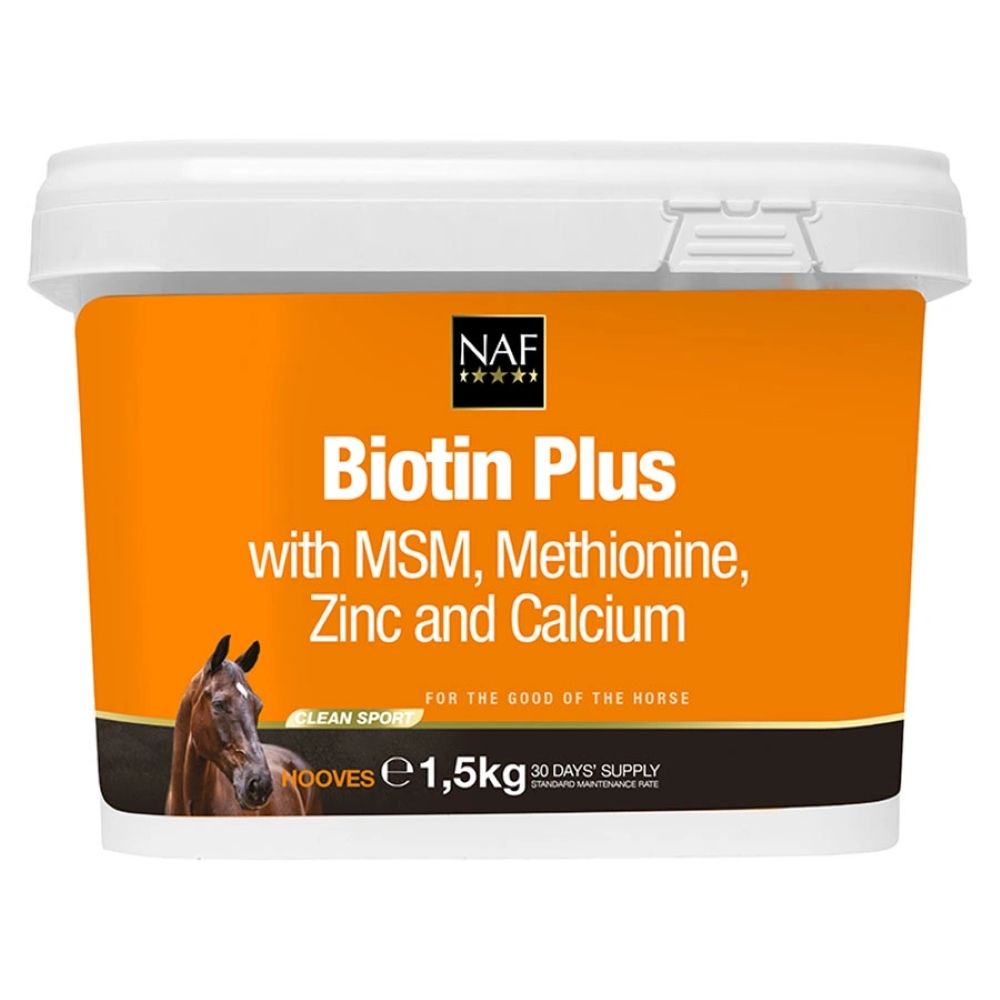
BIOTIN PLUS
BIOTIN PLUS contains a formulation based on ingredients that promote healthy hoof growth: biotin, MSM, methionine, zinc and calcium.
HIGH CONCENTRATION OF BIOTIN

EQUI 2000 LIFE
A highly concentrated biotin supplement. Contains fast-acting ingredients and components that improve hoof structure and strength, while also benefiting the coat and hair. Ensures optimal growth of hooves, mane, and tail. Biotin concentration six times higher than other supplements.
FIRST PROBLEMS

PROFEET
It combines optimal daily levels of biotin with key nutrients and antioxidants to provide unique protection for fragile hooves. Profeet stands out from other hoof supplements due to its high nutritional content, which supports liver function, increasing the assimilation of ingredients and resulting in stronger, healthier hoof growth.
Available in powder, liquid, and pellet form.
TREATMENT OF INJURIES

MSM HOOF
With its special formula for hoof injuries, MSM Hoof contains highly concentrated ingredients such as MSM, Zinc, and Vitamin A, promoting rapid hoof growth and recovery.
A minimum treatment of six months is recommended.
TOPICAL ROUTE
DRY HOOVES


HOOF MOIST NATURAL / BLACK: Transparent / black moisturizing cream
HOOF PROBLEMS, WHETHER DUE TO LACK OF HYDRATION OR TOO MUCH HUMIDITY
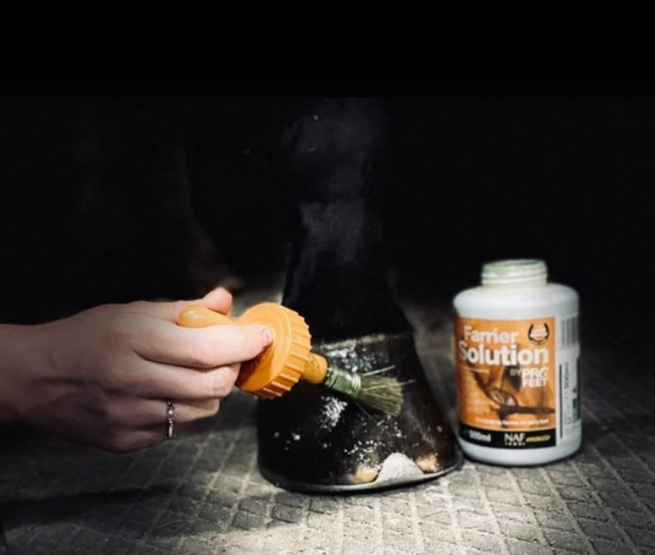
FARRIER SOLUTION is a new hoof solution, formulated by farriers for all types of hooves. It keeps hooves healthy year-round. Includes a convenient applicator brush.
FARRIER DRESSING is a regenerative ointment to give elasticity and flexibility to the hoof wall and sole, and to promote growth. Recommended for problematic hooves.
MAINTENANCE
BIOTIN PLUS
BIOTIN PLUS contains a formulation based on ingredients that promote healthy hoof growth: biotin, MSM, methionine, zinc and calcium.
HIGH CONCENTRATION OF BIOTIN
EQUI 2000 LIFE
A highly concentrated biotin supplement. Contains fast-acting ingredients and components that improve hoof structure and strength, while also benefiting the coat and hair. Ensures optimal growth of hooves, mane, and tail. Biotin concentration six times higher than other supplements.
FIRST PROBLEMS
PROFEET
It combines optimal daily levels of biotin with key nutrients and antioxidants to provide unique protection for fragile hooves. Profeet stands out from other hoof supplements due to its high nutritional content, which supports liver function, increasing the assimilation of ingredients and resulting in stronger, healthier hoof growth.
Available in powder, liquid, and pellet form.
TREATMENT OF INJURIES
MSM HOOF
With its special formula for hoof injuries, MSM Hoof contains highly concentrated ingredients such as MSM, Zinc, and Vitamin A, promoting rapid hoof growth and recovery.
A minimum treatment of six months is recommended.
TOPICAL ROUTE
DRY HOOVES
HOOF MOIST NATURAL / BLACK: Transparent / black moisturizing cream
HOOF PROBLEMS, WHETHER DUE TO LACK OF HYDRATION OR TOO MUCH HUMIDITY
FARRIER SOLUTION is a new hoof solution, formulated by farriers for all types of hooves. It keeps hooves healthy year-round. Includes a convenient applicator brush.
FARRIER DRESSING is a regenerative ointment to give elasticity and flexibility to the hoof wall and sole, and to promote growth. Recommended for problematic hooves.
