
Laminitis
Tuesday 17 June 2025
The word "laminitis" by itself scares any horse lover. Despite numerous studies, there is still a lot of ignorance as to why it appears, but it is known that many of the causes are related to nutrition and metabolism. It is much easier to protect the horse from laminitis if we understand the process involved.
Research shows that, unfortunately, laminitis is more common than we thought. In a survey of over a thousand horses and ponies, it was found that one in ten suffered at least one laminitic episode in the previous year, making it as common as colic.
In any case, laminitis is a real emergency; immediate damages must be addressed without further delay, and underlying problems must be corrected as quickly as possible.
WHAT IS LAMINITIS?
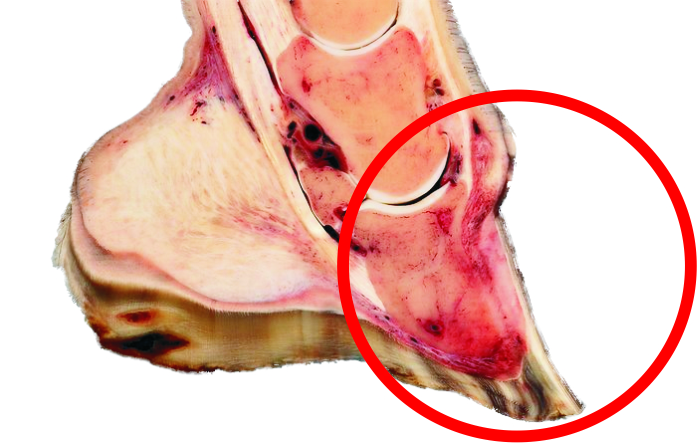
Laminitis is an inflammation of the sensitive laminae of the hoof that causes degeneration and necrosis of the lamellar chorion. When the lamina becomes inflamed, the amount of blood that reaches the hoof is limited and can worsen to the point where the coffin bone or third phalanx, comes to separate from the hoof walls and begins to rotate downward. There is a difference between the terms "acute laminitis" and "chronic laminitis": "acute laminitis" refers only to inflammation of the laminae, while "chronic laminitis" involves the separation and rotation of the third phalanx.
SYMPTOMATOLOGY
A very typical posture of the horse suffering from laminitis is to stretch out his front legs, placing his body backwards. In severe situations, you may find your friend lying on the floor and not wanting to get up. But before reaching this situation, we can pay attention to our horse's behavior to detect other possible symptoms.
Among those surveyed, the classical laminitis posture of rocking on the heels was present in less than a quarter of the animals with laminitis. However, more than 70% showed more subtle signs, particularly difficulty turning and a short, stilted gait, so this is something we should all be on the lookout for. We should also check if the horse or pony regularly shifts its weight from one leg to the other, another common sign.
On the other hand, exploring the legs and the hoof we can also find signs:
- High sensitivity or pain when touching or pressing the horse's hoof
- High hoof temperature and elevated digital pulse (if you are not sure how to check hooves, consult your veterinarian or farrier)
- Appearance of grooves on the hoof wall that are more elongated than would be normal
- Abcesses or cysts may appear in the leg, in the area near the hoof
In case of doubt or suspicion, always consult your veterinarian.
CAUSES
- Diet
Diet is one of the main causes. Specifically, there are two nutrients that may affect them: soluble carbohydrates (such as starch) and fructans.
- Hoof trauma or other injuries
It may be due to a specific blow or a continuous blow, or also because, due to a trauma and consequent pain in one foot, the horse can begin to carry much more weight on the other limb.
- Other illnesses or problems
Correlations have been detected in horses that are prone to suffering from colics (due to digestive problems that can lead to this disease), as well as horses with Cushing's syndrome, due to their metabolic alteration.
An excessive presence of endotoxins in the blood can also be a determining cause (for example, diseases such as clostridiosis, duodenitis or pleuritis).
An excessive presence of endotoxins in the blood can also be a determining cause (for example, diseases such as clostridiosis, duodenitis or pleuritis).
- Medication abuse
The administration of medication to our horse must always be consulted and supervised by a veterinarian. The abuse of some medications, especially corticosteroids, can be a determining cause.
In the survey mentioned above, there was also a correlation with hoof care. On a large scale, it showed that those horses whose hooves are shod or trimmed every more than 8 weeks have a higher risk of laminitis. Therefore, whether shod or barefoot, make sure the farrier visits regularly.
Other risk factors according to this study were:
- Having previously suffered episodes of laminitis
- A sudden weight gain
In the survey mentioned above, there was also a correlation with hoof care. On a large scale, it showed that those horses whose hooves are shod or trimmed every more than 8 weeks have a higher risk of laminitis. Therefore, whether shod or barefoot, make sure the farrier visits regularly.
Other risk factors according to this study were:
- Having previously suffered episodes of laminitis
- A sudden weight gain
HOW CAN WE PREVENT IT?
As with any problem, prevention is always better than cure. In the case of laminitis, if our horse has already suffered from laminitis, we must pay attention to avoid a relapse.
- Diet:
In the diet there should not be abuse of cereals or feeds with a lot of starch, carbohydrates or sugar. Especially in spring or autumn, we have to be careful with pastures, as they have a high carbohydrate content, so it may then be necessary to restrict or modify the diet.
If our horse needs an extra energy supply due to a high level of exercise, oils are a safe and adequate slow-release energy intake option. Oils should be introduced gradually into the diet over several weeks, to give the metabolism time to adapt to the new energy source.
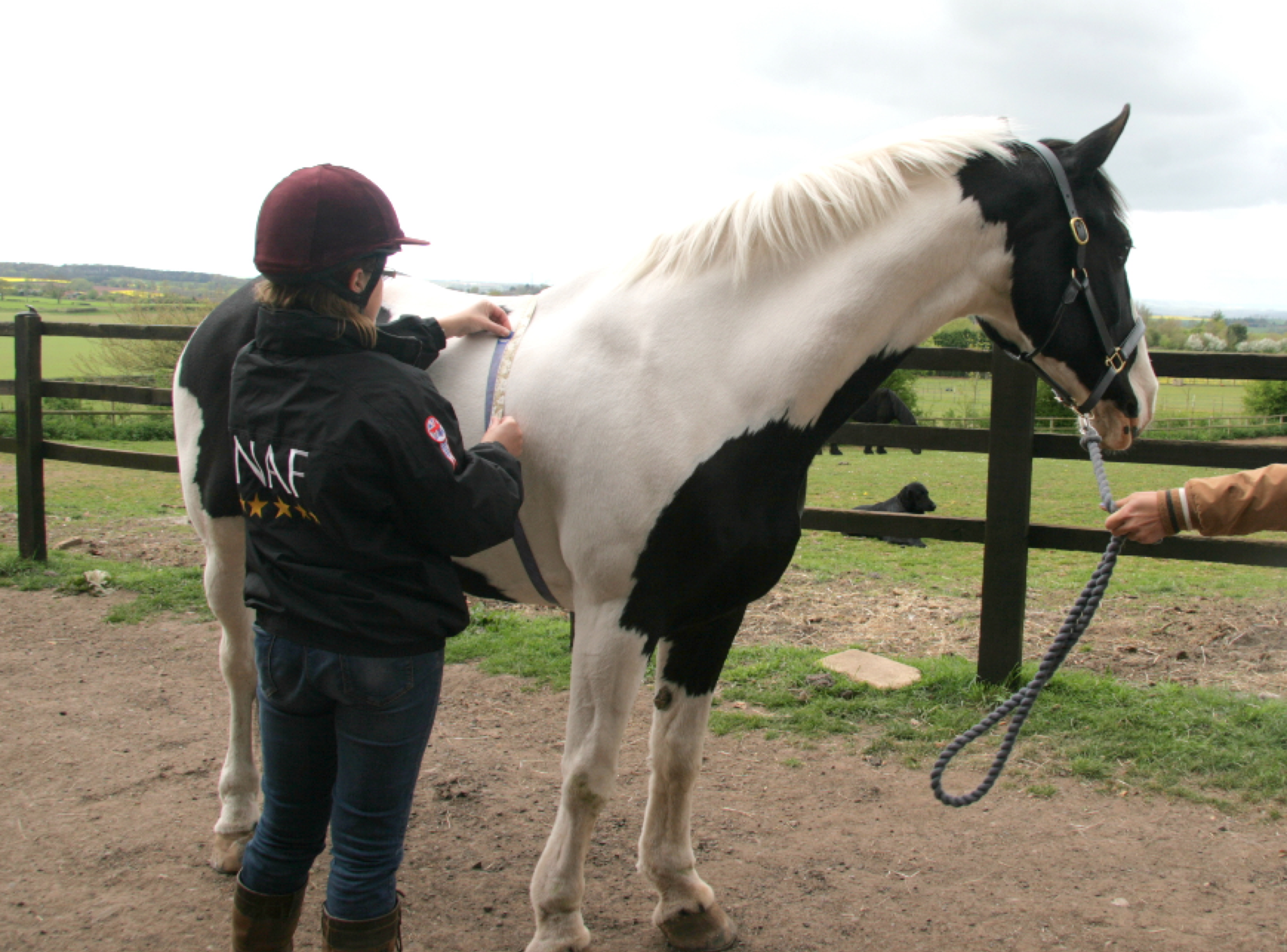
It is important to regularly check the horse's body condition, and sometimes we cannot rely on sight alone. To detect any change in the horse's weight, a weighing tape can be useful. Although they may not be completely accurate, they are a good guide for any changes. If weight gain is observed, appropriate dietary measures should be taken.
If our horse needs an extra energy supply due to a high level of exercise, oils are a safe and adequate slow-release energy intake option. Oils should be introduced gradually into the diet over several weeks, to give the metabolism time to adapt to the new energy source.
It is important to regularly check the horse's body condition, and sometimes we cannot rely on sight alone. To detect any change in the horse's weight, a weighing tape can be useful. Although they may not be completely accurate, they are a good guide for any changes. If weight gain is observed, appropriate dietary measures should be taken.
- Physical activity:
Regular and moderate exercise is essential. Movement promotes blood circulation and consequent repair of affected areas. We must avoid, as far as possible, continued exercise on hard floors.
- Supplements:
There are specific supplements that can help prevent laminitis or speed up its recovery.

LAMINAZE PELLETS
LAMINAZE offers support to horses and ponies sensitive to seasonal changes in grazing land throughout the year. By administering Laminaze, you provide your horse with key nutrients for hoof lamina health, as well as naturally sourced antioxidants to minimize toxin activity. In addition, its formula contains prebiotics, probiotics, postbiotics, and bentonite, working together to help rebuild a healthy digestive tract and address the root cause, promoting resilience in individuals prone to disease.
Available as: 750gr or 3 kg
We can also administer a natural antiinflammatory to reduce pain and inflammation.

MSM PURE
Methylsulfonylmethane is the most bioavailable form of sulfur in its purest form. Sulfur is an essential mineral that contributes to the healthy maintenance of the body's muscles, bones and epithelia.
It provides flexibility and elasticity to the connective tissue; it is a powerful natural antiinflammatory and antioxidant that fights pain and helps the regeneration of the musculoskeletal system.
