
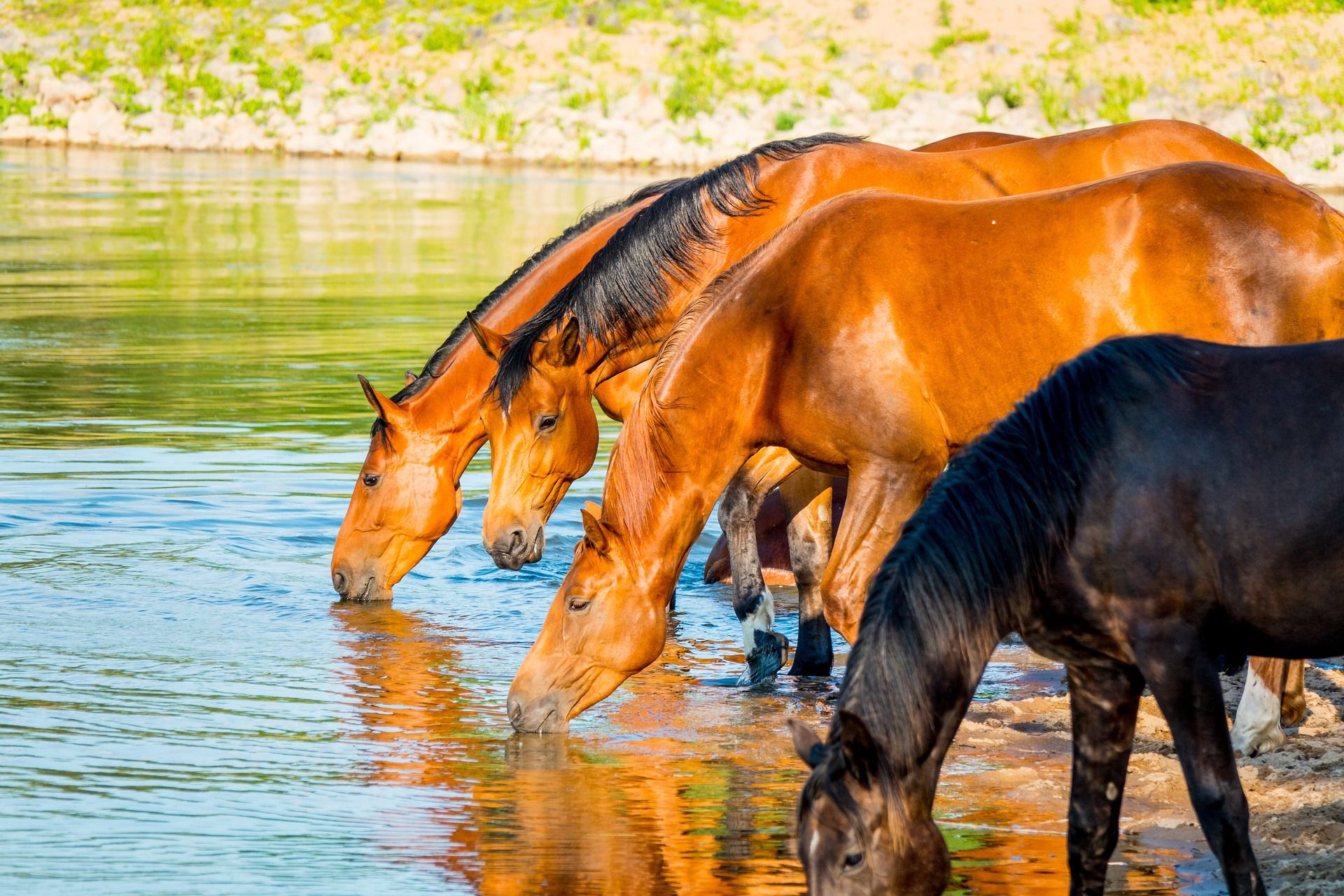
Mud fever in horses: causes, prevention and treatment
Thursday 04 June 2026
WHAT IS MUD FEVER?
Mud fever, also known as pastern dermatitis or cracked heels, is a common skin condition in horses, particularly during winter and wet weather periods.
It may be associated with infections caused by Dermatophilus congolensis, although other opportunistic microorganisms and various environmental factors can also play a role.
Under normal conditions, a horse's healthy skin acts as a protective barrier that prevents microorganisms from entering. However, environmental factors such as moisture, cold weather, mud, dirty bedding, or poorly ventilated stables can promote the development of this type of skin disorder.
There are also genetic factors that make some horses more susceptible to mud fever. For example, horses with white hair on the lower parts of their legs tend to be more prone to developing the condition.
HOW DOES MUD FEVER DEVELOP?
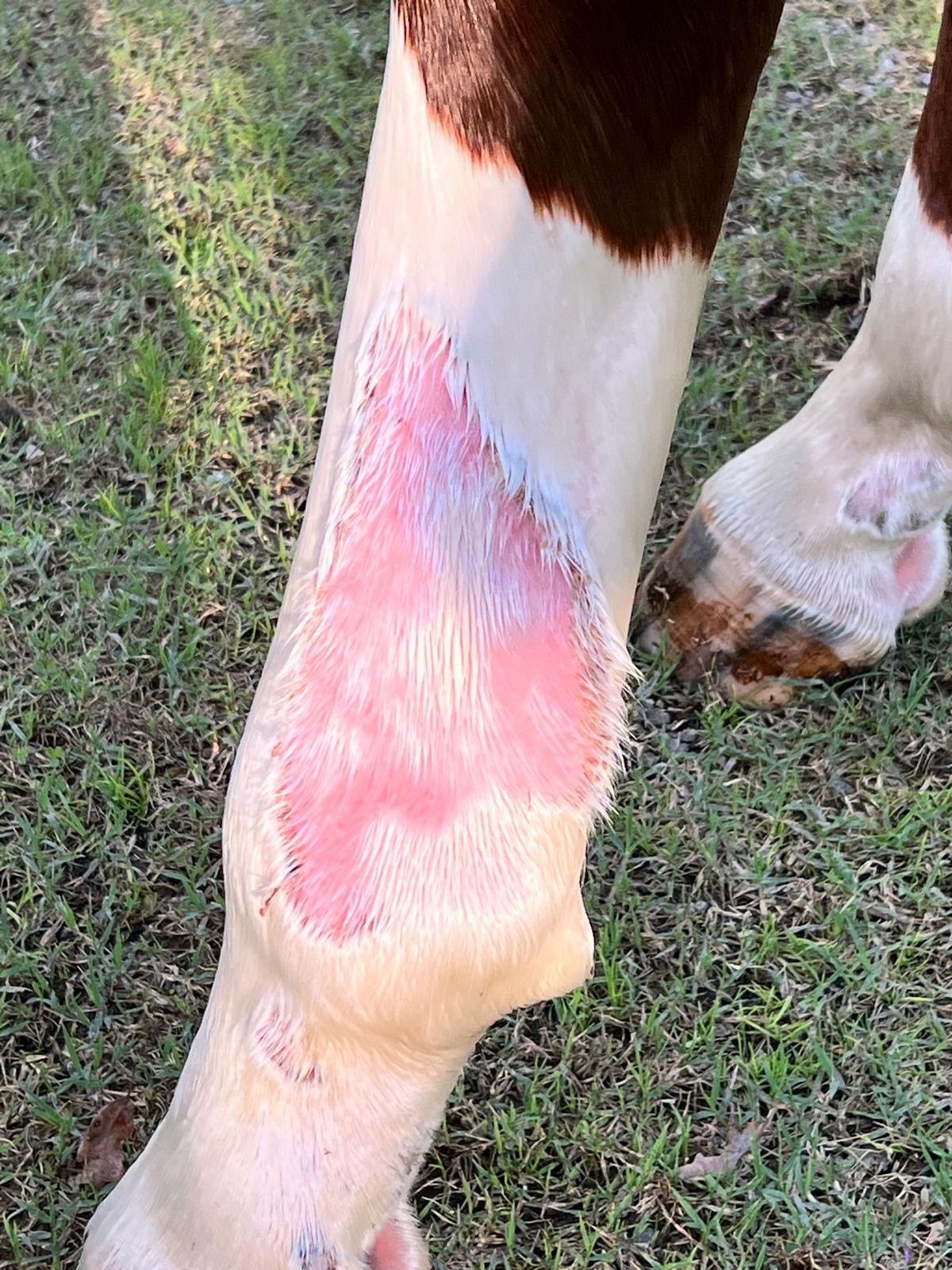
The condition usually begins as a mild dermatitis. Initially, irritation appears in the folds of the pastern area, accompanied by sensitivity, redness, and increased heat in the affected region.
As skin damage progresses, the skin softens and the following signs may appear:
• open wounds,
• hair loss,
• inflammation,
• scabs,
• exudate,
• infections,
• and deep cracks.
These symptoms can cause significant discomfort, pain, and even lameness. Furthermore, mud fever can be difficult to control if it is not detected and treated promptly.
FACTORS THAT CONTRIBUTE TO ITS DEVELOPMENT
The main contributing factors include:
• constant moisture on the skin,
• mud remaining on the legs for prolonged periods,
• microtrauma to the pastern caused by friction or excessive hair growth,
• and weakened skin defenses due to nutritional deficiencies.
PREVENTION: THE BEST SOLUTION
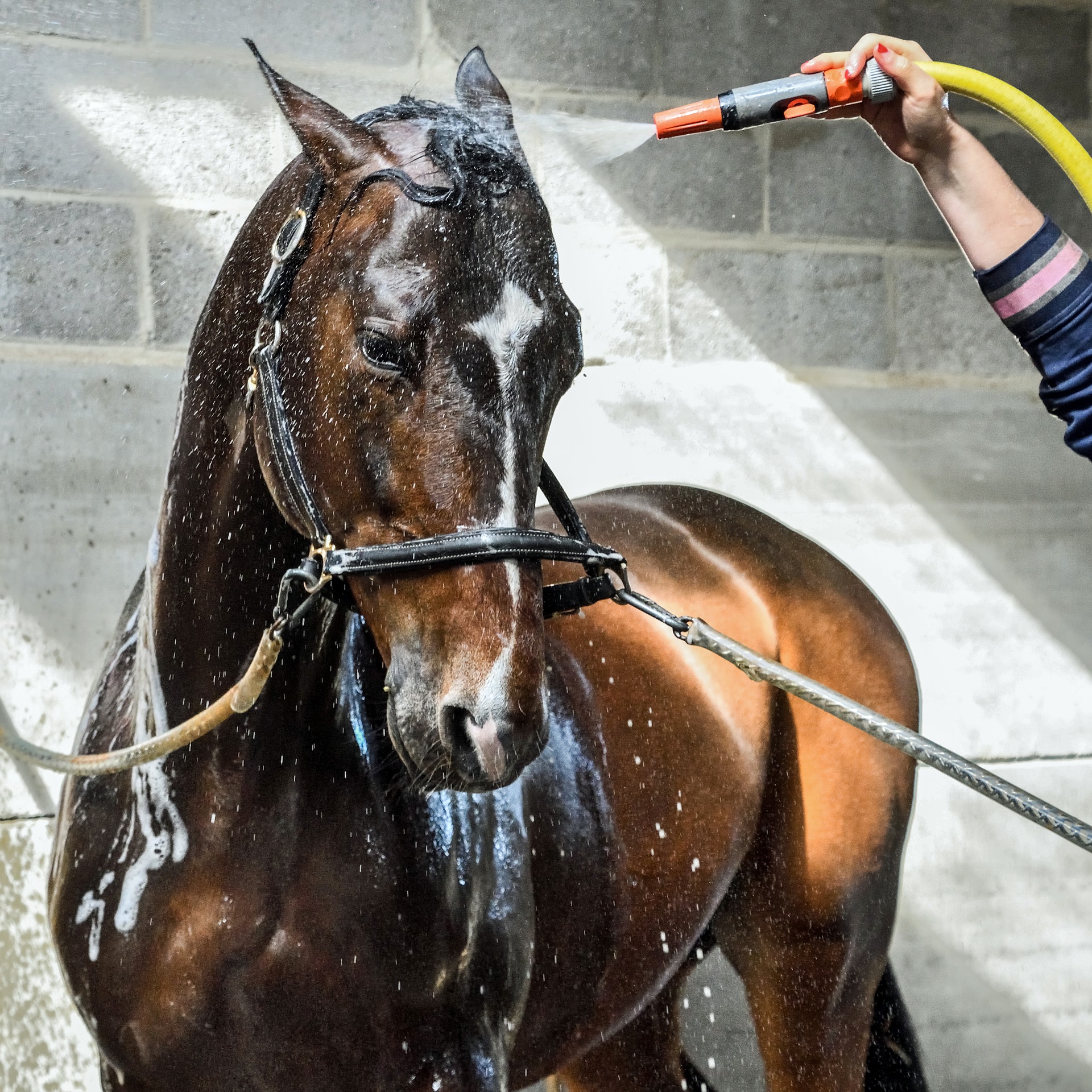
The most effective way to combat mud fever is through prevention. Establishing a daily hygiene and care routine is essential.
It is recommended to:
• wash the legs with water and a mild soap,
• dry them thoroughly with a clean towel,
• remove accumulated mud after exercise or turnout in paddocks,
• maintain a clean environment and a well-drained stable,
• and lightly trim excessive pastern hair without completely clipping it.
During winter, it can be difficult to prevent mud fever entirely, making it essential to minimize prolonged exposure to mud, water, and dirt.
In persistent cases, a veterinary examination is recommended to rule out bacterial or fungal infections and to establish an appropriate treatment plan.
RECOMMENDED TREATMENT: DERFONGEN AND NATJELY
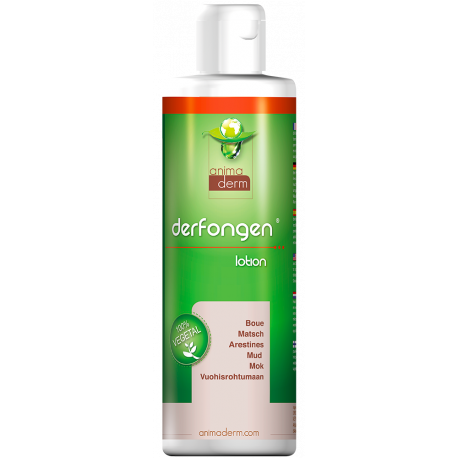
The combination of DERFONGEN and NATJELY is recommended for the treatment of mud fever.
Derfongen is a soothing lotion with antifungal, antibacterial, and acaricidal properties. It also forms a protective barrier that shields the affected area from moisture while helping maintain the skin’s natural hydration.
It is indicated for:
• mud fever,
• pastern dermatitis,
• chorioptic mange,
• fungal infections,
• eczema,
• and scabby skin lesions.
It helps relieve irritation and promotes the regeneration of damaged skin.
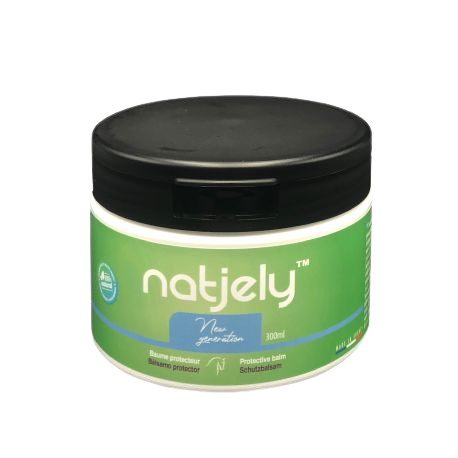
To optimize treatment, it is recommended to combine it with Natjely, a plant-based petroleum jelly alternative that helps maintain skin elasticity and hydration while protecting it against external aggressors.
Properties of derfongen
Soothing and Antibacterial Action
Its effectiveness is largely due to ingredients such as cedarwood oil and juniper.
Cedarwood oil possesses antiseptic and disinfectant properties that are highly valued in dermatological treatments related to inflammation, mange, and other skin disorders.
Juniper is known for its soothing and drainage-promoting properties. It stimulates blood and lymphatic circulation, encourages faster cell regeneration, and helps relieve tightness and itching.
Rich in Antioxidants
Derfongen also contains Vitamins A and E, which have antioxidant properties that help reduce oxidative stress and combat damage caused by external aggressors.
Its vitamins and polyunsaturated fatty acids create a protective microfilm that helps protect the horse’s skin from external agents and microorganisms responsible for mud fever.
Highly Water Resistant
Thanks to shea butter and other oil-based ingredients, Derfongen offers repairing, protective, and anti-inflammatory properties.
It also has strong water-repellent capabilities, allowing it to withstand moisture, rain, and washing.
Directions for Use
• Apply Derfongen once every 4 days until the mud fever has resolved.
• Alternate with Natjely during the days between applications to optimize treatment (1 day Derfongen followed by 3 days Natjely).
For Moisture-Related Problems on the Legs
For Moisture-Related Problems on the Back or Other Areas of the Body
Apply Derfongen directly to the affected areas and repeat the application four days later.
HOW LONG DOES MUD FEVER TAKE TO HEAL?
Recovery time depends on the severity of the lesions and how quickly treatment is initiated. Mild cases may improve within a few days, whereas more advanced cases may require several weeks of care and veterinary monitoring.
CONCLUSION
Mud fever is a common condition in horses during wet weather periods, but with proper prevention, good hygiene, and appropriate treatment, it can be effectively managed and serious complications can be avoided.
Keeping the skin clean and dry, reducing prolonged exposure to mud, and taking action at the first signs of the condition are key factors in protecting the horse’s skin health. In addition, the use of specialized products such as Derfongen and Natjely can help relieve irritation, protect the skin, and promote a faster and more effective recovery.
In persistent or advanced cases, it is always advisable to consult a veterinarian to determine the most appropriate treatment.
Mud fever, also known as pastern dermatitis or cracked heels, is a common skin condition in horses, particularly during winter and wet weather periods.
It may be associated with infections caused by Dermatophilus congolensis, although other opportunistic microorganisms and various environmental factors can also play a role.
Under normal conditions, a horse's healthy skin acts as a protective barrier that prevents microorganisms from entering. However, environmental factors such as moisture, cold weather, mud, dirty bedding, or poorly ventilated stables can promote the development of this type of skin disorder.
There are also genetic factors that make some horses more susceptible to mud fever. For example, horses with white hair on the lower parts of their legs tend to be more prone to developing the condition.
HOW DOES MUD FEVER DEVELOP?
The condition usually begins as a mild dermatitis. Initially, irritation appears in the folds of the pastern area, accompanied by sensitivity, redness, and increased heat in the affected region.
As skin damage progresses, the skin softens and the following signs may appear:
• open wounds,
• hair loss,
• inflammation,
• scabs,
• exudate,
• infections,
• and deep cracks.
These symptoms can cause significant discomfort, pain, and even lameness. Furthermore, mud fever can be difficult to control if it is not detected and treated promptly.
FACTORS THAT CONTRIBUTE TO ITS DEVELOPMENT
The main contributing factors include:
• constant moisture on the skin,
• mud remaining on the legs for prolonged periods,
• microtrauma to the pastern caused by friction or excessive hair growth,
• and weakened skin defenses due to nutritional deficiencies.
PREVENTION: THE BEST SOLUTION
The most effective way to combat mud fever is through prevention. Establishing a daily hygiene and care routine is essential.
It is recommended to:
• wash the legs with water and a mild soap,
• dry them thoroughly with a clean towel,
• remove accumulated mud after exercise or turnout in paddocks,
• maintain a clean environment and a well-drained stable,
• and lightly trim excessive pastern hair without completely clipping it.
During winter, it can be difficult to prevent mud fever entirely, making it essential to minimize prolonged exposure to mud, water, and dirt.
In persistent cases, a veterinary examination is recommended to rule out bacterial or fungal infections and to establish an appropriate treatment plan.
RECOMMENDED TREATMENT: DERFONGEN AND NATJELY
The combination of DERFONGEN and NATJELY is recommended for the treatment of mud fever.
Derfongen is a soothing lotion with antifungal, antibacterial, and acaricidal properties. It also forms a protective barrier that shields the affected area from moisture while helping maintain the skin’s natural hydration.
It is indicated for:
• mud fever,
• pastern dermatitis,
• chorioptic mange,
• fungal infections,
• eczema,
• and scabby skin lesions.
It helps relieve irritation and promotes the regeneration of damaged skin.
To optimize treatment, it is recommended to combine it with Natjely, a plant-based petroleum jelly alternative that helps maintain skin elasticity and hydration while protecting it against external aggressors.
Properties of derfongen
Soothing and Antibacterial Action
Its effectiveness is largely due to ingredients such as cedarwood oil and juniper.
Cedarwood oil possesses antiseptic and disinfectant properties that are highly valued in dermatological treatments related to inflammation, mange, and other skin disorders.
Juniper is known for its soothing and drainage-promoting properties. It stimulates blood and lymphatic circulation, encourages faster cell regeneration, and helps relieve tightness and itching.
Rich in Antioxidants
Derfongen also contains Vitamins A and E, which have antioxidant properties that help reduce oxidative stress and combat damage caused by external aggressors.
Its vitamins and polyunsaturated fatty acids create a protective microfilm that helps protect the horse’s skin from external agents and microorganisms responsible for mud fever.
Highly Water Resistant
Thanks to shea butter and other oil-based ingredients, Derfongen offers repairing, protective, and anti-inflammatory properties.
It also has strong water-repellent capabilities, allowing it to withstand moisture, rain, and washing.
Directions for Use
• Apply Derfongen once every 4 days until the mud fever has resolved.
• Alternate with Natjely during the days between applications to optimize treatment (1 day Derfongen followed by 3 days Natjely).
For Moisture-Related Problems on the Legs
- Wash the area with Derfen Calming Shampoo to cleanse the skin and soften scabs.
- Dry carefully with a clean towel.
- Apply Derfongen directly to the affected areas.
- Approximately one hour later, apply Natjely to protect the area from mud.
- Reapply Derfongen after four days.
For Moisture-Related Problems on the Back or Other Areas of the Body
Apply Derfongen directly to the affected areas and repeat the application four days later.
HOW LONG DOES MUD FEVER TAKE TO HEAL?
Recovery time depends on the severity of the lesions and how quickly treatment is initiated. Mild cases may improve within a few days, whereas more advanced cases may require several weeks of care and veterinary monitoring.
CONCLUSION
Mud fever is a common condition in horses during wet weather periods, but with proper prevention, good hygiene, and appropriate treatment, it can be effectively managed and serious complications can be avoided.
Keeping the skin clean and dry, reducing prolonged exposure to mud, and taking action at the first signs of the condition are key factors in protecting the horse’s skin health. In addition, the use of specialized products such as Derfongen and Natjely can help relieve irritation, protect the skin, and promote a faster and more effective recovery.
In persistent or advanced cases, it is always advisable to consult a veterinarian to determine the most appropriate treatment.
